What Distinguishes Tempeh, Tofu, and Seitan?
Here's the nutritional breakdown and the fundamentals about the three most well-known meat substitutes: tofu, seitan, and tempeh, whether you're a new vegetarian or just want to have a few extra meatless meals each week.
What Distinguishes Tempeh, Tofu, and Seitan?
Here's the nutritional breakdown and the fundamentals about the three most well-known meat substitutes: tofu, seitan, and tempeh, whether you're a new vegetarian or just want to have a few extra meatless meals each week.
Article Plan
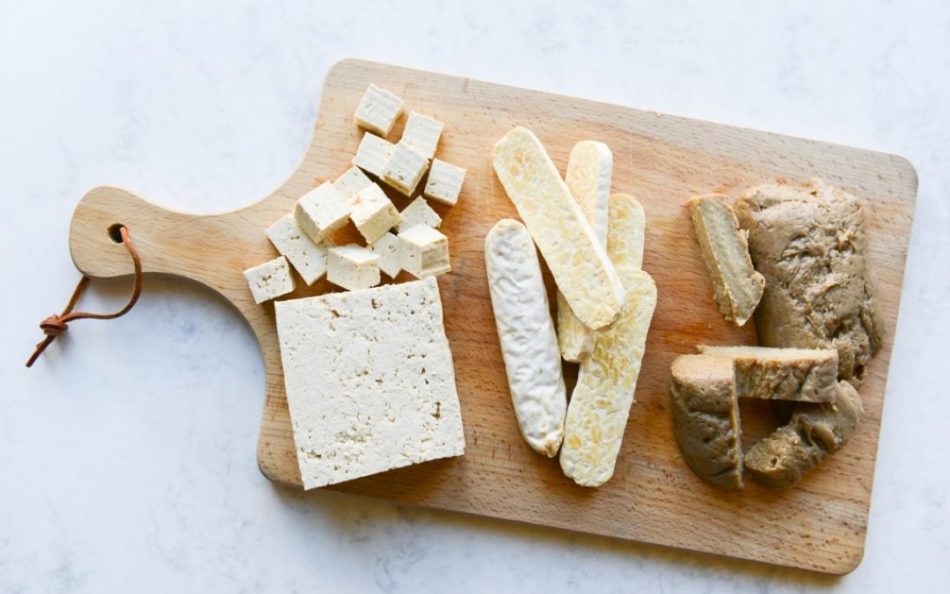
Nutrients of tofu
The most popular meat substitute, tofu, is created from soybeans by coagulating soy milk and has its roots in China. About the size of a smartphone, a 3-ounce serving of firm tofu has 120 calories, 6 grams of fat, 12 grams of protein, as well as minerals including selenium, zinc, iron, magnesium, and potassium. Tofu blocks are often kept fresh by being packed in a calcium-containing solution, which increases the amount of the bone-building mineral in the food.
Tofu has the advantage of absorbing any flavor that is used to cook it. Its different textures include soft "silken" blocks and more robust "firm" and "extra firm" pieces. Because of its adaptability, tofu may be roasted, fried, baked, blended into smoothies, puddings, and frozen treats.
Nutrients of tofu
The most popular meat substitute, tofu, is created from soybeans by coagulating soy milk and has its roots in China. About the size of a smartphone, a 3-ounce serving of firm tofu has 120 calories, 6 grams of fat, 12 grams of protein, as well as minerals including selenium, zinc, iron, magnesium, and potassium. Tofu blocks are often kept fresh by being packed in a calcium-containing solution, which increases the amount of the bone-building mineral in the food.
Tofu has the advantage of absorbing any flavor that is used to cook it. Its different textures include soft "silken" blocks and more robust "firm" and "extra firm" pieces. Because of its adaptability, tofu may be roasted, fried, baked, blended into smoothies, puddings, and frozen treats.
A Tempeh meal
Unlike tofu and seitan, tempeh is a traditional soy food that was first produced in Indonesia. This plant-based protein alternative is created from fermented and compressed soybeans. It is heavier in texture and has an earthy, nutty taste. Several types of packaged tempeh are seasoned and flavored with flax and sesame seeds, as well as other grains including barley and rice.
On average, tempeh has 15 grams of protein, 9 grams of fat, and 160 calories per 3-ounce serving. It is rich in minerals including iron, calcium, potassium, and magnesium as well as B-vitamins in large quantities. Since it includes the whole bean, tempeh has more protein and fiber than tofu. The fermentation process of tempeh makes the soy protein more easily digestible.
Tempeh is often cut into tiny slices and fried, creating a crunchy outside and a tender inside. Stir-fry tempeh or marinade it before baking, grilling, or frying it. In order to impart a tasty chunky texture to soups and stews, it may also be crushed and added.
Seitan: Is it healthy?
For making seitan, commonly referred to as "wheat meat," wheat flour dough is washed with water until only wheat gluten is left. Seitan is a popular vegan meat substitute that has its roots in China and Japan. Because it has a chewy, solid feel, seitan doesn't absorb flavors as rapidly as tofu due of its density. There are several ways to obtain seitan, including Tofurky deli slices or marinated ready-to-eat strips. Seitan can be your best option if you're a meat lover seeking for a substitute. Yet, seitan is often avoided by vegetarians who don't like the feel of meat. It contains the most protein but also the highest salt of the three options under consideration.
A Tempeh meal
Unlike tofu and seitan, tempeh is a traditional soy food that was first produced in Indonesia. This plant-based protein alternative is created from fermented and compressed soybeans. It is heavier in texture and has an earthy, nutty taste. Several types of packaged tempeh are seasoned and flavored with flax and sesame seeds, as well as other grains including barley and rice.
On average, tempeh has 15 grams of protein, 9 grams of fat, and 160 calories per 3-ounce serving. It is rich in minerals including iron, calcium, potassium, and magnesium as well as B-vitamins in large quantities. Since it includes the whole bean, tempeh has more protein and fiber than tofu. The fermentation process of tempeh makes the soy protein more easily digestible.
Tempeh is often cut into tiny slices and fried, creating a crunchy outside and a tender inside. Stir-fry tempeh or marinade it before baking, grilling, or frying it. In order to impart a tasty chunky texture to soups and stews, it may also be crushed and added.
Seitan: Is it healthy?
For making seitan, commonly referred to as "wheat meat," wheat flour dough is washed with water until only wheat gluten is left. Seitan is a popular vegan meat substitute that has its roots in China and Japan. Because it has a chewy, solid feel, seitan doesn't absorb flavors as rapidly as tofu due of its density. There are several ways to obtain seitan, including Tofurky deli slices or marinated ready-to-eat strips. Seitan can be your best option if you're a meat lover seeking for a substitute. Yet, seitan is often avoided by vegetarians who don't like the feel of meat. It contains the most protein but also the highest salt of the three options under consideration.


Was This Article Helpful?
Click on a star to rate it!
Thank you for your vote!

Average Rating: 4.5/5 Votes: 17
Be the first to rate this post!

Latest Posts

How Individuals Can Support Animal Protection: Simple Actions That Create Change

The Role of Consumers in Sustainability: How Everyday Choices Can Create Change

Human Rights Challenges in Conflict Zones: Protecting People During Crisis