The Importance of Wetlands and Natural Habitats
Wetlands and natural habitats may look very different from one another, but they share an important role in supporting life. Marshes, rivers, forests, grasslands, lakes, coastal areas, and other ecosystems provide food and shelter for wildlife while also supporting people and communities.
These environments can be easy to overlook until they are damaged or disappear. Yet they perform many functions that are difficult and expensive to replace. Protecting natural habitats is therefore not only about preserving wildlife. It is also about maintaining healthy ecosystems and the services they provide.
What Are Wetlands and Natural Habitats?
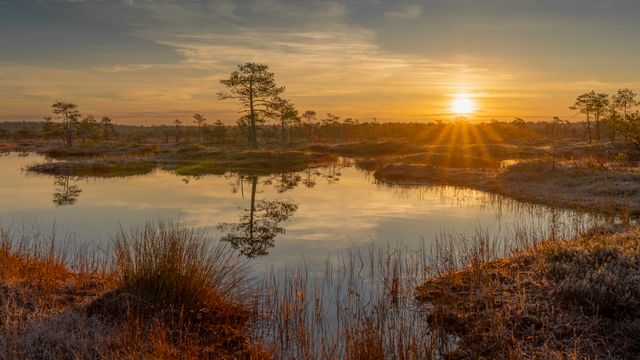
Wetlands are areas where water covers or saturates the soil for periods of time. They include marshes, swamps, bogs, floodplains, and some coastal environments.
Natural habitats are broader ecosystems where plants and animals live and interact with their surroundings. A forest, grassland, river, desert, or coastal ecosystem can provide habitat for many different species.
These environments are connected. A wetland may depend on a nearby river, while a forest can influence water quality and soil conditions downstream.
Wetlands Support Biodiversity
Wetlands provide important habitats for a wide variety of plants and animals.
Birds may use wetlands as feeding or nesting areas, while amphibians, fish, insects, and aquatic plants depend on wet environments for parts of their life cycles.
Because wetlands can contain different types of water, vegetation, and soil within a relatively small area, they can support diverse communities of organisms.
Natural Habitats Provide Food and Shelter
Wildlife needs places to find food, reproduce, rest, and avoid predators.
Forests provide trees, vegetation, and fallen material that support insects, birds, mammals, and fungi. Grasslands provide food and nesting areas for insects and other animals. Rivers and wetlands support aquatic species.
When habitats become fragmented or degraded, species may lose access to some of these essential resources.
Wetlands Help Manage Water
One of the important functions of wetlands is their relationship with water.
Wetlands can temporarily store water during periods of heavy rainfall, helping reduce the speed and volume of water moving through a landscape. They can also release water gradually under certain conditions.
This natural water-storage function can contribute to flood management, although the effectiveness varies by ecosystem and local conditions.
Improving Water Quality
Wetlands can also help filter water.
As water moves through wetland vegetation and soils, sediments and some pollutants can be captured or transformed by natural processes. This can contribute to improved water quality before water reaches rivers, lakes, or coastal areas.
|
Natural Habitat |
Important Ecological Role |
Example Benefit |
|
Wetlands |
Water storage and habitat |
Supports wildlife and manages water |
|
Forests |
Carbon storage and habitat |
Supports biodiversity |
|
Grasslands |
Soil and wildlife habitat |
Supports pollinators and grazing species |
|
Rivers |
Aquatic habitat and water movement |
Supports fish and freshwater ecosystems |
|
Coastal habitats |
Shoreline and marine habitat |
Supports coastal species |
|
Peatlands |
Carbon storage and water regulation |
Stores large amounts of carbon |
Supporting Pollinators and Food Systems
Natural habitats provide resources for bees, butterflies, birds, bats, and other organisms that contribute to pollination.
Healthy populations of pollinators can be important for both natural ecosystems and agriculture.
Protecting flowering plants, nesting areas, and connected habitats can therefore support biodiversity while also contributing to functioning food systems.
Natural Habitats Store Carbon
Some ecosystems can store substantial amounts of carbon in vegetation and soils.
Forests store carbon in trees and other plant material, while wetlands such as peatlands can store large amounts of carbon in waterlogged soils.
When these ecosystems are damaged or drained, some of the stored carbon can be released into the atmosphere.
Protecting Soil and Preventing Erosion
Vegetation helps hold soil in place.
Plant roots stabilize soil, while leaves and other plant material can reduce the impact of rainfall and wind. Wetland vegetation can also slow water movement in some environments.
Maintaining natural vegetation can therefore contribute to healthier soils and reduce erosion.
Natural Habitats Benefit People Too
Natural ecosystems provide more than ecological benefits.
People use natural areas for recreation, education, tourism, fishing, and cultural activities. Parks, forests, wetlands, rivers, and coastal environments can also contribute to people's connection with nature.
Urban natural areas can provide opportunities for walking, relaxation, and outdoor activities close to where people live.
Threats to Wetlands and Habitats
Natural habitats face many pressures.
Common threats include land conversion, pollution, invasive species, unsustainable resource use, habitat fragmentation, and changes in water availability.
Climate change can add further pressure by altering temperature, precipitation, sea levels, and the conditions species depend on.
The effects vary considerably between ecosystems and regions.
How Habitats Can Be Protected
Protection can take several forms. Governments and organizations may establish protected areas, restore degraded ecosystems, regulate land and water use, or create wildlife corridors.
Individuals can also contribute by reducing pollution, respecting protected areas, planting native species where appropriate, avoiding unnecessary disturbance of wildlife, and supporting local conservation initiatives.
Small actions are most useful when combined with effective habitat management and long-term conservation efforts.
Restoration Matters
Protecting healthy ecosystems is important, but damaged habitats can sometimes be restored.
Wetland restoration may involve restoring natural water flows, removing barriers, or reestablishing native vegetation. Forest restoration can include natural regeneration or carefully planned planting.
Restoration doesn't always recreate an ecosystem exactly as it was, but it can help recover important ecological functions.
Conclusion
Wetlands and natural habitats are essential parts of healthy ecosystems. They provide wildlife with places to live, help manage water, support biodiversity, protect soils, store carbon, and offer valuable spaces for people.
Their benefits are often easy to overlook because they happen naturally and continuously. Protecting these environments means maintaining the ecological processes that support both wildlife and human communities.
Frequently Asked Questions
People can reduce pollution, avoid disturbing wildlife, respect protected areas, support habitat restoration, and make choices that reduce unnecessary pressure on natural ecosystems.


Was This Article Helpful?
Click on a star to rate it!
Thank you for your vote!

Average Rating: 0/5 Votes: 0
Be the first to rate this post!

Expert in backend development and database architecture. Specializes in building, optimizing, and maintaining scalable PHP applications, designing efficient database structures, and ensuring data integrity and performance. Experienced in working with relational databases, writing optimized queries, and integrating backend systems with APIs and business logic to support reliable, high-performance web solutions.
View LinkedIn ProfileLatest Posts
Marine Life Conservation Initiatives
Sustainable Agriculture and Food Systems

Gender Equality and Human Rights Progress