Educational Trends Shaping the Future
Education is changing as technology advances, workforce expectations evolve, and learners seek more flexible ways to gain knowledge. Traditional classrooms remain important, but schools, universities, and training providers are exploring new approaches to make learning more accessible, interactive, and relevant to everyday life.
From artificial intelligence to personalized learning and skills-based education, these changes are influencing how people study, teach, and prepare for their careers. Understanding the trends shaping education can help students, educators, parents, and institutions make informed decisions about the future.
Artificial Intelligence in Education
Artificial intelligence (AI) is becoming an increasingly important educational tool. AI-powered platforms can help learners practice new concepts, receive explanations, and identify areas where they need additional support.
For example, a student learning mathematics might use an AI tutor to work through a difficult problem step by step. Teachers can also use AI tools to draft lesson materials, generate practice questions, and organize learning activities.
However, AI should support rather than replace meaningful interaction with teachers. Its answers can be inaccurate, and excessive reliance on automated tools may limit independent thinking. Schools need clear guidelines that encourage students to verify information, protect personal data, and use AI responsibly.
Personalized Learning Experiences
Students learn at different speeds and have different interests, strengths, and challenges. Personalized learning aims to adapt educational content, activities, and feedback to individual needs.
Digital learning platforms can offer additional exercises when students struggle with a topic or introduce more advanced material when they are ready. Teachers can use assessment results to identify gaps in understanding and provide targeted support.
Personalization does not mean every student must study alone. Group projects, classroom discussions, and collaborative activities remain valuable for developing communication and teamwork skills.
The goal is to combine individual support with shared learning experiences.
Online and Hybrid Education
Online education has expanded opportunities for people who cannot regularly attend in-person classes. Students can access courses remotely, while working adults can study around professional and family responsibilities.
Hybrid education combines online activities with face-to-face instruction. For example, learners might review recorded lessons at home and use classroom time for experiments, discussions, or practical exercises.
Both approaches offer flexibility, but they also require thoughtful planning. Reliable internet access, accessible learning materials, regular feedback, and opportunities to interact with teachers can make a significant difference.
Skills-Based and Career-Focused Learning
Employers increasingly need workers who can adapt to changing technologies and responsibilities. As a result, educational programs are placing greater emphasis on practical skills alongside traditional academic knowledge.
Important areas include:
- Digital literacy and data analysis
- Communication and teamwork
- Critical thinking and problem-solving
- Financial and media literacy
- Project management and adaptability
- Technical and vocational skills
For example, a business student might combine theoretical lessons with a real-world project, while a software learner could build a portfolio to demonstrate practical abilities.
Short courses, professional certificates, apprenticeships, and workplace training can complement university degrees. This approach also supports lifelong learning, allowing people to update their skills as their careers develop.
Immersive Learning With Virtual and Augmented Reality
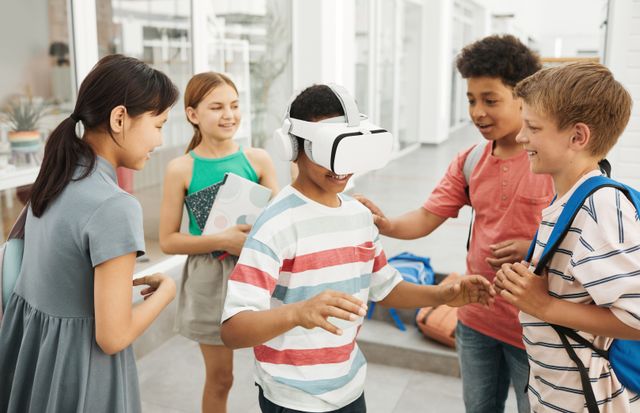
Virtual reality (VR) and augmented reality (AR) can help students explore concepts that are difficult to demonstrate through textbooks alone.
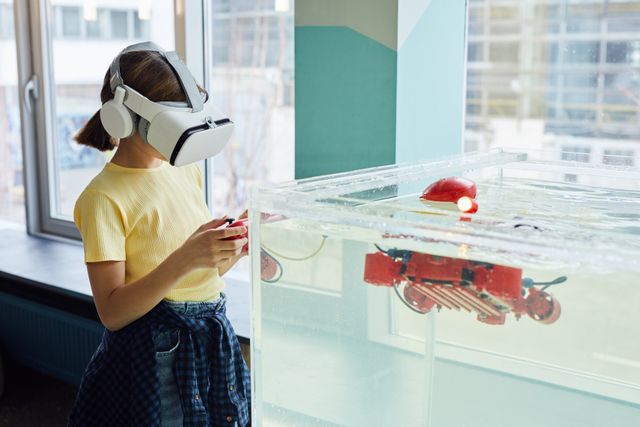
VR can create simulated environments, such as a historical location or a virtual science laboratory. AR can add digital information to real-world objects, helping learners examine complex structures or follow interactive instructions.
These technologies may make abstract ideas easier to understand and provide opportunities for safe practice. For example, medical students can use simulations to rehearse procedures before working with patients.
However, immersive tools can be expensive and require appropriate equipment. They are most useful when they improve understanding or practice rather than simply making a lesson more entertaining.
Social and Collaborative Learning
Learning is not only an individual activity. Discussions, peer feedback, group assignments, and shared projects help students understand different perspectives and develop interpersonal skills.
Digital collaboration tools allow learners to work together even when they are in different locations. They can share documents, discuss ideas, and create presentations as a team.
Educators can strengthen collaborative learning by assigning clear roles, setting shared goals, and assessing both individual contributions and group outcomes.
These skills are valuable beyond school because many professional environments depend on effective communication and cooperation.
Mental Health and Student Well-Being
Educational success depends on more than academic performance. Stress, social isolation, sleep problems, and excessive workloads can affect students' ability to concentrate and learn.
Schools and universities are paying greater attention to supportive learning environments, reasonable workloads, access to counseling, and healthy relationships between students and teachers.
Practical measures include regular breaks, clear expectations, opportunities for physical activity, and early support for students who are struggling.
Technology can help provide access to educational and well-being resources, but digital tools are not a substitute for appropriate professional support when it is needed.
Sustainability and Global Citizenship
Climate change, resource use, and global challenges are influencing what students learn and how educational institutions operate.
Sustainability education can help learners understand environmental systems, responsible consumption, renewable energy, and the relationship between local decisions and global outcomes.
Schools can connect these topics to practical activities, such as reducing waste, measuring energy use, or planning community projects. Students can also explore how science, economics, public policy, and social behavior contribute to environmental challenges.
This approach develops critical thinking and helps learners evaluate complex issues from multiple perspectives.
Key Educational Trends at a Glance
|
Trend |
Main Benefit |
Important Consideration |
|
Artificial intelligence |
Faster feedback and learning support |
Accuracy and responsible use |
|
Personalized learning |
Better alignment with individual needs |
Access to useful learning data |
|
Online and hybrid education |
Greater flexibility and access |
Digital access and engagement |
|
Skills-based education |
Stronger connection to practical work |
Maintaining academic foundations |
|
VR and AR |
Interactive, immersive practice |
Equipment costs and accessibility |
|
Collaborative learning |
Communication and teamwork |
Fair participation |
|
Student well-being |
Healthier learning environments |
Consistent support and resources |
|
Sustainability education |
Environmental awareness and problem-solving |
Connecting theory to action |
Challenges in the Future of Education
Although these trends create new opportunities, they also raise important challenges.
The digital divide can prevent some students from accessing reliable devices, internet connections, or advanced learning tools. Schools may also face limited budgets, insufficient teacher training, and concerns about data privacy.
Another challenge is maintaining a balance between technology and human interaction. Digital platforms can support learning, but students still benefit from teachers who provide guidance, encouragement, context, and personal feedback.
Educational institutions will need to evaluate new approaches carefully, measure their impact, and ensure that innovation improves learning outcomes rather than simply introducing new technology.
Conclusion
The future of education will likely combine technology, personalized support, practical skills, collaboration, and a stronger focus on student well-being. No single trend will solve every educational challenge, and the most effective approaches will depend on learners' needs and available resources.
By embracing useful innovations while preserving the value of human guidance and critical thinking, educational institutions can prepare students for a world that continues to change.
Frequently Asked Questions
Schools can strengthen digital literacy, teach critical thinking, connect lessons to real-world problems, support student well-being, and provide opportunities for collaboration and practical experience.


Was This Article Helpful?
Click on a star to rate it!
Thank you for your vote!
Average Rating: 0/5 Votes: 0
Be the first to rate this post!

Proficient background in project planning, execution, and continuous improvement. Experienced in analyzing ideas and forecasting project success, defining requirements and timelines, and managing communication across cross-functional teams. Skilled in creating and maintaining project documentation, automating processes, and making data-driven decisions in critical situations.
View LinkedIn ProfileLatest Posts

Personal Branding for Career Success

Self-Improvement Strategies for Professionals

How Recruiters Evaluate Candidates