Marine Life Conservation Initiatives
Oceans cover most of the planet and support an enormous variety of life, from microscopic organisms to whales and coral reefs. Marine ecosystems also support food production, coastal communities, tourism, transportation, and other human activities.
However, marine environments face pressure from pollution, habitat degradation, overfishing, climate change, and other activities. Marine conservation initiatives aim to protect species and ecosystems while supporting the long-term health of the oceans.
What Is Marine Conservation?
Marine conservation involves protecting ocean and coastal ecosystems, species, habitats, and natural resources.
Conservation can take many forms. Governments may establish protected areas, fisheries organizations may introduce management measures, scientists may monitor populations, and community groups may organize restoration or cleanup projects.
Effective conservation often combines several approaches rather than relying on one solution.
Protecting Marine Protected Areas
Marine protected areas are designated ocean or coastal regions where certain human activities are regulated or restricted.
The rules can vary considerably. Some areas may restrict fishing, while others may limit construction, tourism, or resource extraction.
Protected areas can provide important spaces for marine species and habitats, but their effectiveness depends on factors such as appropriate design, enforcement, monitoring, and compliance.
Sustainable Fisheries
Fishing provides food and livelihoods for millions of people, making sustainable fisheries an important part of marine conservation.
Fisheries management can include catch limits, seasonal closures, gear restrictions, size limits, and other measures designed to keep fish populations within sustainable levels.
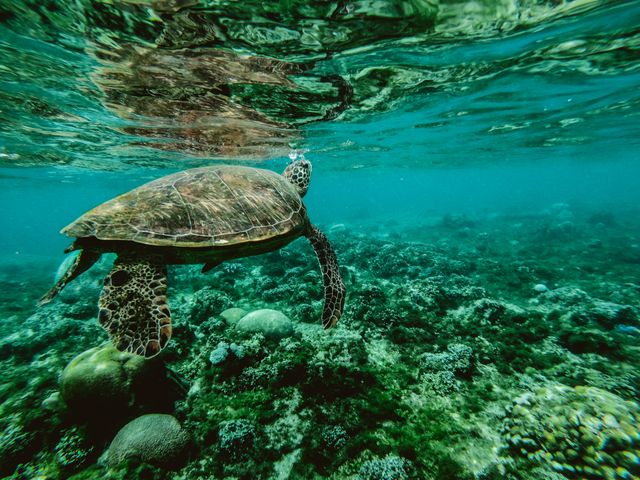
Reducing bycatch—the accidental capture of non-target species—is another important goal. Changes to fishing gear and practices can help reduce unintended impacts on turtles, seabirds, marine mammals, and other species.
Protecting Coral Reefs
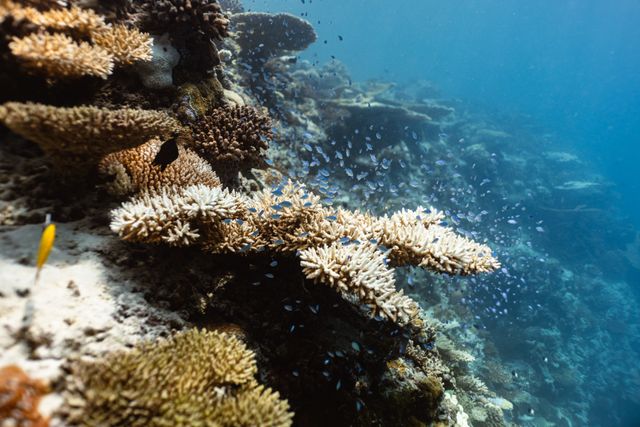
Coral reefs support diverse communities of marine life and provide benefits to coastal ecosystems and communities.
They face pressures including warming oceans, pollution, destructive fishing practices, and physical damage.
Conservation initiatives can include establishing protected areas, improving water quality, restoring damaged reefs, monitoring coral health, and reducing local sources of stress.
Reducing Marine Pollution
Plastic waste, chemicals, oil, excess nutrients, and other pollutants can enter marine environments through rivers, coastal activities, shipping, and other sources.
Marine conservation programs may focus on preventing pollution before it reaches the ocean, removing waste from beaches and waterways, improving wastewater management, and reducing unnecessary plastic use.
Prevention is particularly important because removing pollution after it enters marine ecosystems can be difficult and expensive.
Protecting Endangered Species
Some marine species require targeted conservation measures because their populations have declined or they face specific threats.
Conservation programs may monitor populations, protect breeding areas, reduce accidental capture, restore habitats, or regulate activities that threaten particular species.
|
Conservation Initiative |
Main Focus |
Example Action |
|
Marine protected areas |
Habitat protection |
Restricting specific activities |
|
Sustainable fisheries |
Fish populations |
Catch limits and gear rules |
|
Coral restoration |
Reef ecosystems |
Growing and transplanting corals |
|
Beach and ocean cleanup |
Pollution |
Removing marine debris |
|
Species protection |
Vulnerable wildlife |
Protecting breeding or feeding areas |
|
Mangrove restoration |
Coastal habitats |
Replanting and restoring mangroves |
|
Scientific monitoring |
Ecosystem health |
Tracking species and environmental conditions |
Restoring Mangroves and Seagrass
Marine conservation isn't limited to open ocean habitats.
Mangroves, salt marshes, and seagrass meadows provide important habitat for marine organisms and can help protect coastlines. These ecosystems can also store significant amounts of carbon.
Restoration projects may involve replanting vegetation, restoring natural water flows, removing barriers, or reducing local pressures that prevent ecosystems from recovering.
Supporting Ocean Research
Scientists need reliable information to understand how marine ecosystems are changing.
Research programs can monitor fish populations, coral health, water quality, ocean temperatures, migration patterns, and other indicators.
Technologies such as satellite monitoring, underwater cameras, acoustic sensors, and remotely operated vehicles can help researchers study environments that are difficult to access directly.
Community-Based Conservation
Local communities can play an important role in protecting marine ecosystems.
Fishers, coastal residents, Indigenous communities, tourism operators, researchers, and conservation organizations may all have valuable knowledge and interests connected to marine resources.
Programs that involve local communities can help align conservation measures with local conditions and practical realities.
The Role of Technology
Technology is expanding the tools available for marine conservation.
Satellite tracking can help researchers follow animal movements. Drones can survey coastlines and marine habitats. Underwater sensors can collect environmental information, while artificial intelligence can help process large datasets and identify patterns.
Technology can improve monitoring, but it works best when combined with sound conservation planning and human expertise.
Climate Change and Ocean Conservation
Climate change adds another layer of pressure to marine ecosystems.
Rising ocean temperatures, ocean acidification, sea-level rise, and changing environmental conditions can affect species and habitats in different ways.
Conservation initiatives can help ecosystems become more resilient by protecting habitats, reducing local stressors, restoring degraded environments, and maintaining connected ecosystems.
Marine conservation cannot address climate change alone, but healthy ecosystems may be better able to cope with environmental changes.
How Individuals Can Help
Individuals can contribute to marine conservation through everyday choices.
Reducing unnecessary plastic consumption, disposing of waste properly, choosing seafood from responsibly managed sources where reliable information is available, respecting wildlife, and supporting credible conservation organizations are possible actions.
When visiting coastal areas, people can also avoid disturbing animals, damaging habitats, or removing marine life and natural materials.
Measuring Conservation Progress
Conservation programs need monitoring to understand whether their approaches are working.
Useful indicators may include population trends, habitat condition, water quality, fishing pressure, biodiversity, and levels of marine debris.
Long-term monitoring is particularly important because ecosystems can change slowly, and short-term improvements don't necessarily indicate lasting recovery.
Conclusion
Marine life conservation initiatives use many different approaches to protect ocean ecosystems. Marine protected areas, sustainable fisheries, pollution reduction, habitat restoration, species protection, research, and community involvement can all contribute to healthier marine environments.
No single initiative can address every threat. Effective conservation requires understanding local ecosystems, monitoring results, adapting strategies, and balancing ecological needs with the people who depend on marine resources.
Frequently Asked Questions
Yes. Satellites, drones, underwater sensors, tracking devices, and data-analysis tools can help researchers monitor species and ecosystems and identify environmental changes.


Was This Article Helpful?
Click on a star to rate it!
Thank you for your vote!

Average Rating: 0/5 Votes: 0
Be the first to rate this post!

Proficient background in project planning, execution, and continuous improvement. Experienced in analyzing ideas and forecasting project success, defining requirements and timelines, and managing communication across cross-functional teams. Skilled in creating and maintaining project documentation, automating processes, and making data-driven decisions in critical situations.
View LinkedIn ProfileLatest Posts
Marine Life Conservation Initiatives

Sustainable Agriculture and Food Systems

Gender Equality and Human Rights Progress