How Technology Is Changing Healthcare: A New Era of Medicine
Healthcare is going through one of the biggest transformations in history. Technology is no longer just supporting doctors—it is actively reshaping how diseases are diagnosed, treated, and even prevented. From artificial intelligence to wearable devices, modern healthcare is becoming faster, smarter, and more accessible.
In many ways, medicine is shifting from reactive treatment to proactive care.
Let’s explore how technology is changing healthcare today.
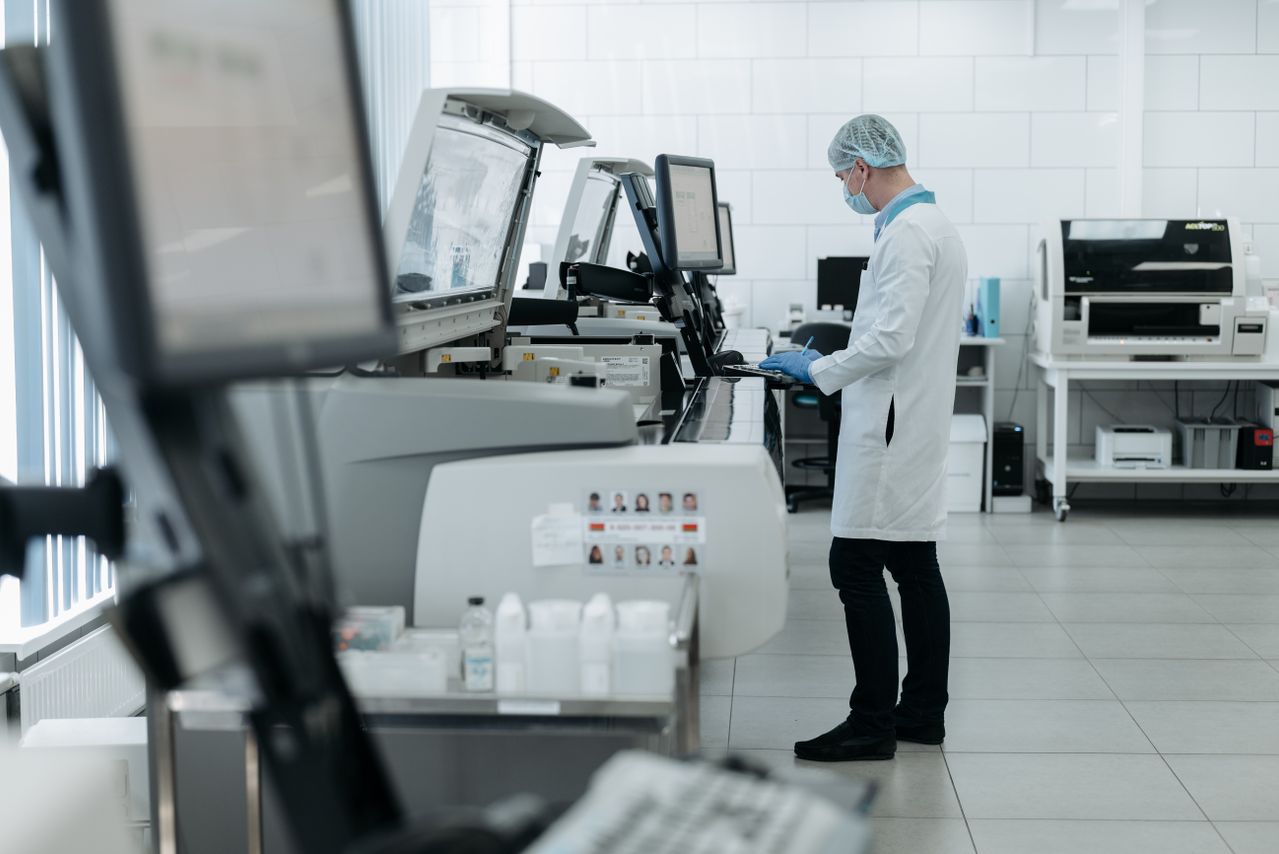
Smarter Diagnosis with Artificial Intelligence
Artificial intelligence (AI) is revolutionizing medical diagnosis.
AI systems can:
- Analyze medical images like X-rays and MRIs
- Detect diseases earlier than traditional methods
- Identify patterns in large patient datasets
- Support doctors in making faster decisions
Think of AI as a second pair of highly trained eyes that never get tired.
Table: Traditional Diagnosis vs AI-Assisted Diagnosis
|
Feature |
Traditional Method |
AI-Assisted Method |
|
Speed |
Slower |
Faster analysis |
|
Accuracy |
Depends on expertise |
High pattern recognition |
|
Data usage |
Limited |
Massive datasets |
|
Consistency |
Variable |
Highly consistent |
|
Accessibility |
Requires specialists |
Can assist remote care |
Telemedicine: Healthcare Without Borders
Telemedicine allows patients to consult doctors remotely using video calls and apps.
It enables:
- Online consultations
- Remote diagnosis
- Prescription delivery
- Follow-up care without travel
This is especially important for people in rural or underserved areas.
Wearable Health Technology
Wearable devices have turned everyday gadgets into health monitors.
Common wearables include:
- Smartwatches
- Fitness trackers
- Heart rate monitors
- Sleep tracking devices
They help users track:
- Heart rate
- Physical activity
- Sleep quality
- Oxygen levels
These devices encourage preventive healthcare instead of emergency treatment.
Table: Benefits of Health Wearables
|
Feature |
Benefit |
|
Real-time monitoring |
Early detection of issues |
|
Fitness tracking |
Encourages healthy lifestyle |
|
Heart rate data |
Better cardiovascular awareness |
|
Sleep tracking |
Improved rest habits |
|
Alerts |
Emergency health warnings |
Electronic Health Records (EHRs)
Paper files are being replaced by digital health records.
EHR systems allow:
- Instant access to patient history
- Easy sharing between hospitals
- Reduced medical errors
- Faster treatment decisions
This improves coordination across healthcare providers.
Robotics in Surgery
Robotic-assisted surgery is making procedures more precise and less invasive.
Benefits include:
- Smaller incisions
- Faster recovery times
- Reduced risk of infection
- Higher surgical accuracy
Surgeons control robotic systems to perform delicate operations with enhanced precision.
Personalized Medicine
Technology is enabling treatments tailored to individual patients.
Personalized medicine uses:
- Genetic data
- Lifestyle information
- Medical history
This helps doctors design treatments that are more effective and have fewer side effects.
Mobile Health Apps
Smartphones are now powerful healthcare tools.
Health apps help users:
- Track fitness and nutrition
- Monitor chronic conditions
- Schedule doctor appointments
- Receive medication reminders
They make healthcare more accessible and interactive.
Big Data in Healthcare
Hospitals and research centers use big data to improve outcomes.
Big data helps:
- Predict disease outbreaks
- Improve hospital efficiency
- Identify treatment patterns
- Support medical research
It turns massive amounts of information into actionable insights.
Remote Monitoring of Patients
Patients can now be monitored outside hospitals using connected devices.
This allows:
- Continuous health tracking
- Early detection of complications
- Reduced hospital visits
- Better chronic disease management
It is especially useful for elderly or high-risk patients.
Drug Discovery and Biotechnology
Technology is also speeding up how new medicines are developed.
Modern tools help:
- Simulate drug reactions
- Reduce trial time
- Identify effective compounds faster
- Lower research costs
This means new treatments can reach patients more quickly.
Challenges of Digital Healthcare
Despite progress, challenges remain:
- Data privacy concerns
- High implementation costs
- Unequal access to technology
- Cybersecurity risks
- Need for staff training
Balancing innovation with safety is crucial.
The Future of Healthcare Technology
The future of healthcare looks even more advanced.
We can expect:
- AI doctors assisting in diagnosis
- Fully connected health ecosystems
- Gene-based personalized treatments
- Advanced wearable implants
- Virtual reality therapy and rehabilitation
Healthcare will become more predictive, personalized, and preventive.
Conclusion
Technology is transforming healthcare in powerful ways. From AI-driven diagnostics to wearable health trackers and telemedicine, medical care is becoming more efficient, accessible, and personalized. While challenges remain, the direction is clear—healthcare is moving toward a smarter, more connected future that focuses on prevention as much as treatment.
The result is not just better medicine, but better lives.
FAQ: How Technology Is Changing Healthcare
Faster, more accurate, and more accessible medical care.


Was This Article Helpful?
Click on a star to rate it!
Thank you for your vote!

Average Rating: 0/5 Votes: 0
Be the first to rate this post!

Proficient background in project planning, execution, and continuous improvement. Experienced in analyzing ideas and forecasting project success, defining requirements and timelines, and managing communication across cross-functional teams. Skilled in creating and maintaining project documentation, automating processes, and making data-driven decisions in critical situations.
View LinkedIn ProfileLatest Posts

How Individuals Can Support Animal Protection: Simple Actions That Create Change

The Role of Consumers in Sustainability: How Everyday Choices Can Create Change

Human Rights Challenges in Conflict Zones: Protecting People During Crisis