Plant-Based Diet Trends
The way people think about food is changing. More individuals are exploring plant-based diets not only for health reasons but also because of growing interest in sustainability, animal welfare, and mindful eating. What was once considered a niche lifestyle choice has become a major food trend influencing restaurants, grocery stores, and the global wellness industry.
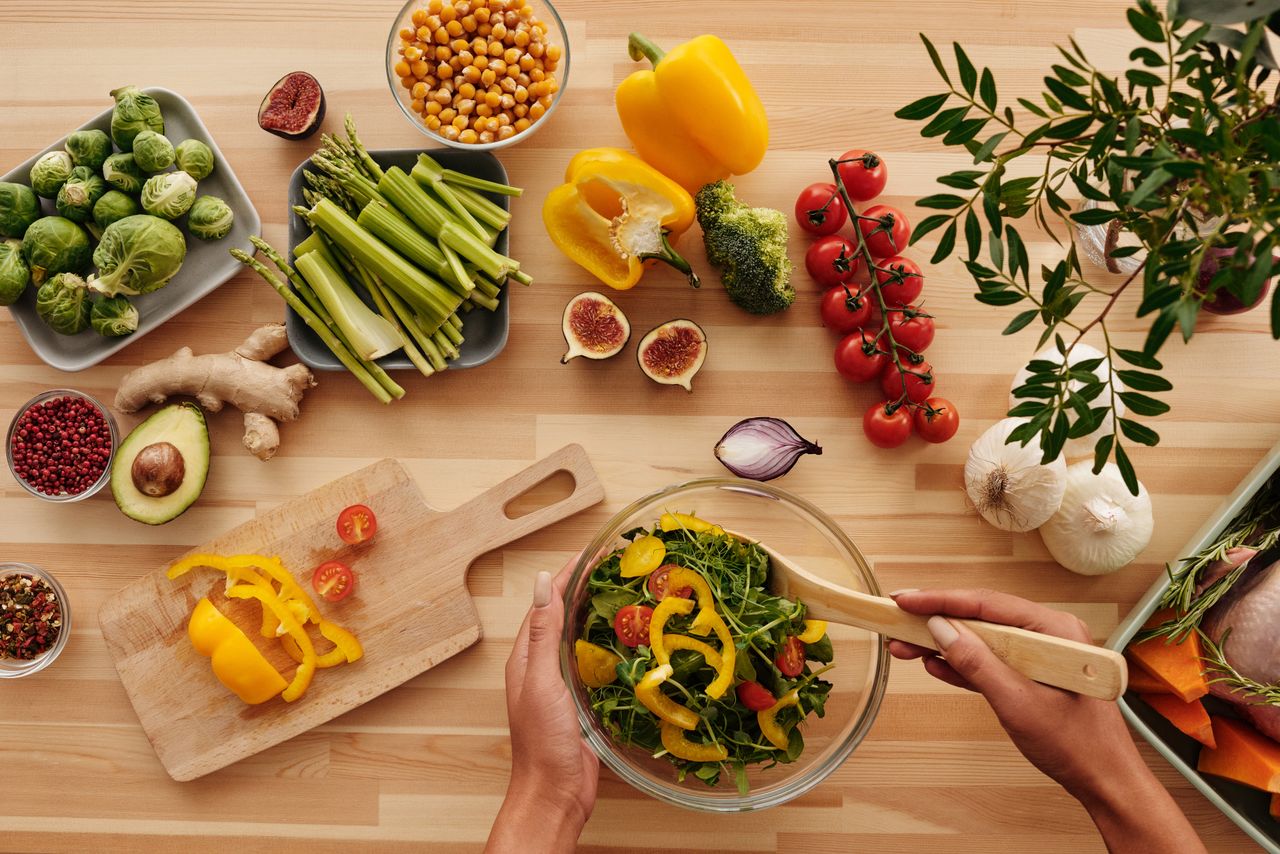
Plant-based eating is no longer limited to strict vegetarian or vegan diets. Today, many people are choosing flexible approaches that include more fruits, vegetables, legumes, grains, nuts, and plant-based alternatives while reducing their consumption of animal products.

What Is a Plant-Based Diet?
A plant-based diet focuses primarily on foods that come from plants.
These foods include:
- Fruits
- Vegetables
- Whole grains
- Beans and lentils
- Nuts and seeds
- Plant-based proteins
- Healthy plant oils
Unlike strict vegan diets, plant-based eating does not always mean completely avoiding animal products. Many people follow a flexible approach where plants make up the majority of their meals.
Why Plant-Based Diets Are Becoming More Popular
Several factors are contributing to the growth of plant-based eating:
- Increased awareness of nutrition
- Interest in sustainable living
- More plant-based product options
- Growing environmental concerns
- Desire for healthier eating habits
- Influence from wellness communities
Consumers are becoming more interested in understanding where their food comes from and how their choices affect their health and the planet.
Table: Popular Plant-Based Diet Trends
|
Trend |
Description |
Why It Is Growing |
|
Flexitarian Eating |
Mostly plant-based meals with occasional animal products |
Offers flexibility and easier lifestyle changes |
|
Plant-Based Proteins |
Alternatives made from plants instead of meat |
Provides convenient protein options |
|
Whole-Food Eating |
Focus on minimally processed plant foods |
Supports healthier nutrition habits |
|
Sustainable Food Choices |
Choosing environmentally friendly foods |
Reduces environmental impact |
|
Personalized Nutrition |
Adjusting diets based on individual needs |
Creates more targeted health approaches |
The Rise of Flexitarian Diets
One of the biggest trends in plant-based eating is the rise of the flexitarian lifestyle.
Flexitarians mainly eat plant-based meals but may occasionally include:
- Meat
- Fish
- Eggs
- Dairy products
This approach appeals to people who want to improve their diet without making strict changes overnight.
The flexibility makes it easier for many people to adopt healthier eating patterns while maintaining balance.
Growth of Plant-Based Protein Options
Plant-based proteins have become more accessible and diverse.
Popular sources include:
- Lentils
- Chickpeas
- Tofu
- Tempeh
- Peas
- Beans
- Nuts and seeds
Food companies are also developing alternatives such as plant-based burgers, dairy-free milk, and meat substitutes to provide more choices for consumers.
Focus on Whole Plant Foods
While processed plant-based products are growing, many people are returning to simple, whole foods.
Whole-food plant-based eating emphasizes:
- Fresh vegetables
- Seasonal fruits
- Whole grains
- Natural ingredients
- Homemade meals
This approach focuses on nutritional quality rather than simply replacing animal products with processed alternatives.
Plant-Based Eating and Health Awareness
Many people choose plant-based diets because they want to support their overall health.
A diet rich in plant foods can provide:
- Fiber
- Vitamins
- Minerals
- Antioxidants
- Healthy fats
However, balanced nutrition remains important. People following plant-based diets need to ensure they receive enough essential nutrients, including protein, iron, calcium, and vitamin B12.
Sustainable Food Choices
Environmental concerns are another major reason behind the growth of plant-based diets.
Food production can affect:
- Land use
- Water consumption
- Greenhouse gas emissions
- Natural resources
Choosing more plant-based meals is one way some people try to reduce their environmental impact and support more sustainable food systems.
Plant-Based Alternatives in Restaurants and Stores
Plant-based options are becoming more common in everyday food environments.
Consumers can now find:
- Dairy-free beverages
- Meat alternatives
- Vegan desserts
- Plant-based snacks
- Vegetable-focused meals
Restaurants and food brands are expanding their menus to meet changing customer preferences.
Cultural Influence on Plant-Based Eating
Many traditional cuisines around the world already include plant-based meals.
Examples include dishes based on:
- Beans and grains
- Vegetables and spices
- Legumes and herbs
- Rice and plant proteins
Modern plant-based trends are often inspired by these long-standing culinary traditions.
Technology and the Future of Plant-Based Foods
Technology is accelerating innovation in the plant-based food industry.
New developments include:
- Improved meat alternatives
- Advanced food processing methods
- Sustainable farming technologies
- Personalized nutrition tools
Future food technologies may create products that are more nutritious, affordable, and environmentally friendly.
Tips for Starting a Plant-Based Diet
People interested in eating more plant-based foods can start gradually.
Helpful steps include:
- Adding more vegetables to meals
- Trying one plant-based meal per day
- Exploring new recipes
- Replacing some animal proteins with beans or legumes
- Choosing whole foods more often
Small changes can make the transition easier and more sustainable.
The Future of Plant-Based Eating
Plant-based diets are likely to continue influencing the future of food.
Future trends may include:
- More affordable alternatives
- Better nutritional profiles
- Personalized meal planning
- Sustainable farming solutions
- Greater variety of plant-based products
As consumers become more conscious about health and sustainability, plant-based eating will continue evolving.
Conclusion
Plant-based diet trends represent a broader shift toward more conscious eating habits. Whether people choose a fully vegan lifestyle or simply add more plant-based meals, the movement reflects growing interest in health, sustainability, and food innovation.
The takeaway: plant-based eating is not just a temporary trend—it is part of a larger movement toward more thoughtful, flexible, and sustainable approaches to nutrition.
Frequently Asked Questions
No. Many people choose flexible approaches and simply increase the amount of plant-based food in their diet.


Was This Article Helpful?
Click on a star to rate it!
Thank you for your vote!

Average Rating: 0/5 Votes: 0
Be the first to rate this post!

Proficient background in project planning, execution, and continuous improvement. Experienced in analyzing ideas and forecasting project success, defining requirements and timelines, and managing communication across cross-functional teams. Skilled in creating and maintaining project documentation, automating processes, and making data-driven decisions in critical situations.
View LinkedIn ProfileLatest Posts

Conflict Resolution in Relationships

How to Develop a Growth Mindset

How Diet Affects Energy Levels