The Role of Coaches in Athlete Development: Building Skills, Confidence, and Success
Behind every successful athlete, there is often a coach who provides guidance, knowledge, and support. While talent and dedication are important, coaches play a crucial role in helping athletes improve their skills, overcome challenges, and reach their full potential.
The role of coaches in athlete development goes far beyond teaching techniques or creating training plans. Great coaches help shape mindset, build confidence, and inspire athletes to become better both on and off the field.
So, what makes coaching such an important part of athletic growth?
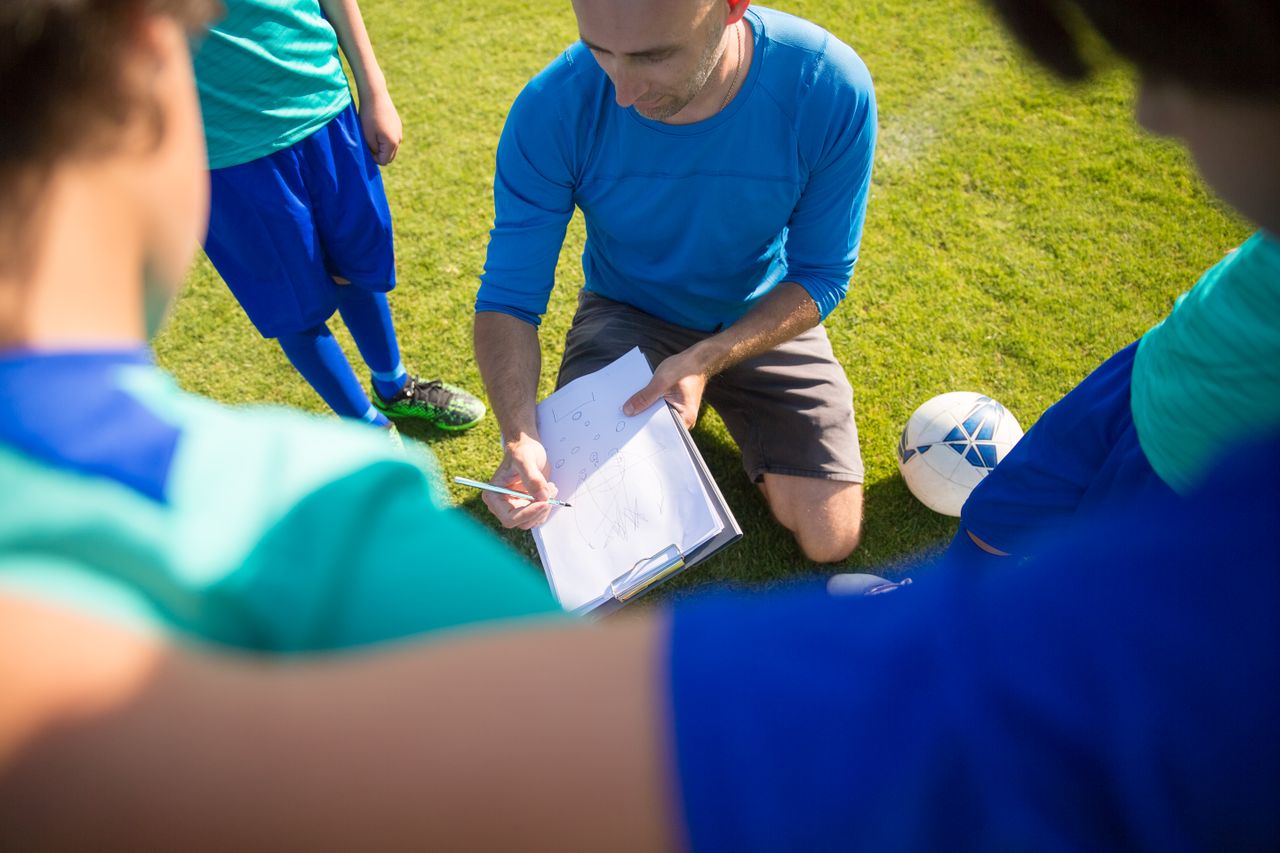
Coaches as Teachers and Skill Developers
One of the primary responsibilities of a coach is helping athletes develop technical abilities. Whether it is improving a basketball shot, perfecting a swimming technique, or learning better teamwork, coaches provide the knowledge needed for progress.
Coaches help athletes:
- Learn fundamental skills
- Improve performance techniques
- Understand strategies
- Correct mistakes
- Build consistency
A good coach acts like a guide, helping athletes understand not only what to do but also why certain techniques work.
Creating Individual Development Plans
Every athlete is different. They have unique strengths, weaknesses, goals, and learning styles.
Effective coaches create personalized approaches that consider:
- Current abilities
- Physical condition
- Personal goals
- Competition level
- Areas for improvement
|
Coaching Role |
Purpose |
Impact on Athletes |
|
Skill Instructor |
Teaches techniques and strategies |
Improves performance |
|
Motivator |
Builds confidence and determination |
Increases commitment |
|
Mentor |
Provides guidance and advice |
Supports personal growth |
|
Strategist |
Creates game plans |
Improves decision-making |
|
Evaluator |
Tracks progress |
Helps identify improvements |
Personalized coaching helps athletes progress at the right pace instead of following a one-size-fits-all approach.
Building Mental Strength
Athletic success is not only physical. Mental skills often determine how athletes perform under pressure.
Coaches help develop:
- Confidence
- Focus
- Resilience
- Discipline
- Emotional control
A talented athlete may struggle without the right mindset, while a determined athlete with strong mental skills can overcome many obstacles.
Great coaches teach athletes that setbacks are not failures—they are opportunities to learn and improve.
Teaching Discipline and Responsibility
Discipline is one of the most important qualities in sports. Coaches help athletes understand the value of consistent effort and commitment.
They teach:
- Training habits
- Time management
- Preparation
- Team responsibilities
- Respect for rules
These lessons often extend beyond sports and help athletes develop skills useful in everyday life.
Providing Motivation and Support
Athletes experience moments of success and difficulty. During challenging periods, coaches provide encouragement and help athletes stay focused.
A coach’s support can help athletes:
- Recover from mistakes
- Stay motivated during tough training
- Believe in their abilities
- Continue working toward goals
Sometimes a few words of encouragement can make the difference between giving up and pushing forward.
Developing Teamwork and Communication
For team sports, coaches play a major role in creating a positive team environment.
They teach athletes how to:
- Communicate effectively
- Trust teammates
- Work toward shared goals
- Handle conflicts
A strong team is not created only by talented individuals. It is built through cooperation and understanding.
Helping Athletes Manage Competition Pressure
Competition can bring excitement, but it can also create stress. Coaches help athletes prepare mentally and physically for important moments.
They provide support through:
- Competition strategies
- Mental preparation
- Performance analysis
- Confidence-building exercises
Learning how to handle pressure is a valuable skill that athletes develop over time.
The Importance of Feedback
Constructive feedback helps athletes understand what they are doing well and what needs improvement.
Effective coaches provide feedback that is:
- Specific
- Honest
- Encouraging
- Actionable
Instead of simply pointing out mistakes, great coaches explain how athletes can improve.
Supporting Long-Term Athlete Growth
The best coaches focus not only on immediate results but also on long-term development.
They help athletes:
- Set realistic goals
- Avoid burnout
- Maintain healthy habits
- Develop lifelong passion for sports
Winning is important, but becoming a stronger, more confident person is an equally valuable outcome.
The Evolution of Modern Coaching
Sports coaching continues to change as new research and technology become available.
Modern coaches use:
- Performance analytics
- Video analysis
- Training technology
- Sports psychology techniques
These tools help coaches create more effective training programs and better understand athlete performance.
Coaches as Role Models
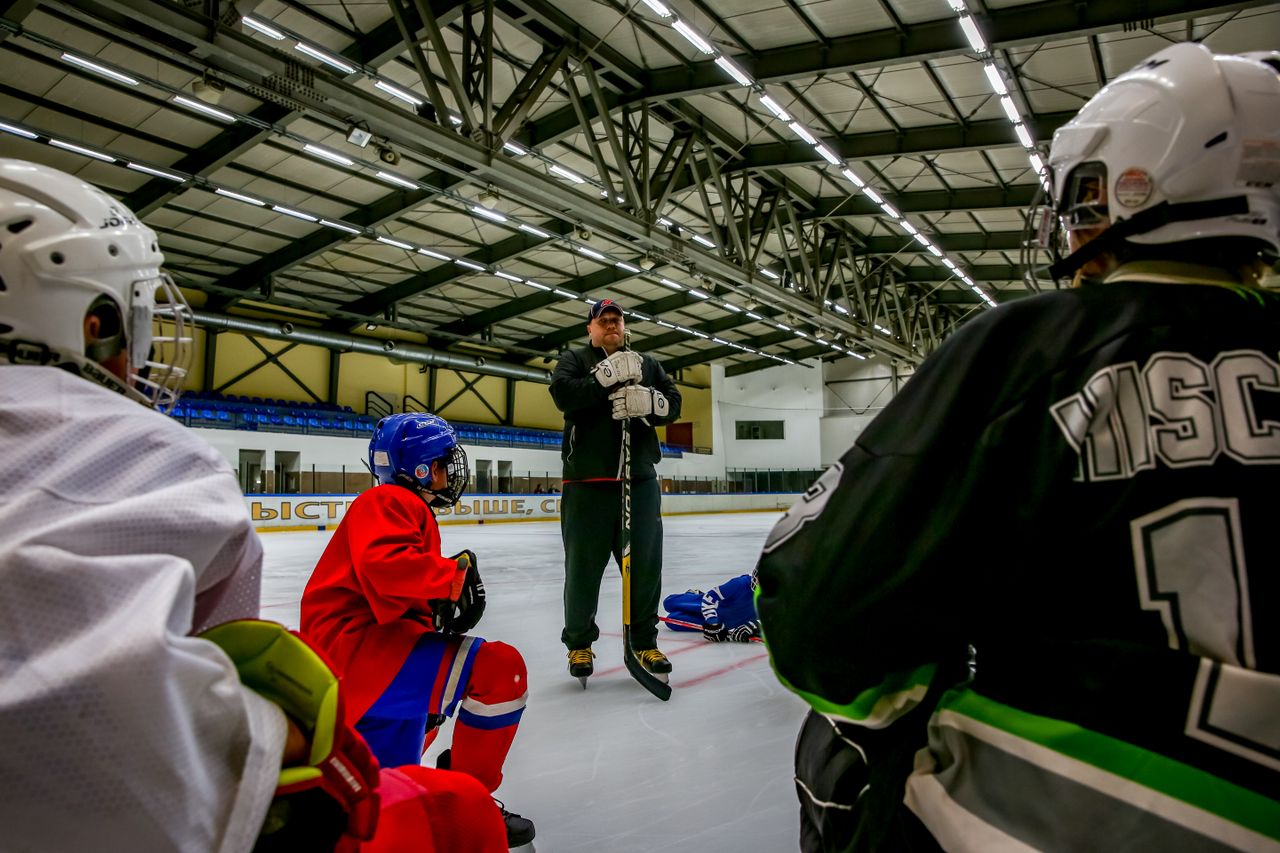
Athletes often look up to their coaches as examples of leadership and behavior.
Coaches influence athletes through:
- Their attitude
- Their communication style
- Their commitment
- Their approach to challenges
A positive coach can leave a lasting impact that continues long after an athlete’s competitive career ends.
Conclusion
Coaches play an essential role in athlete development by teaching skills, building confidence, encouraging discipline, and supporting personal growth. Their influence goes beyond competition—they help athletes develop qualities that benefit them throughout life.
A great coach does not simply create better athletes. They help create stronger, more resilient, and more confident individuals who are prepared to face challenges both in sports and beyond.
Frequently Asked Questions
Technology allows coaches to analyze performance, track progress, and create more personalized training programs.


Was This Article Helpful?
Click on a star to rate it!
Thank you for your vote!

Average Rating: 0/5 Votes: 0
Be the first to rate this post!

Strong engineering background in mobile and backend development. Focusing on building scalable products, improving development processes — from architecture and APIs to UX redesigns, monetization, and analytics. Responsible for applications with 1M+ downloads and multi-project ecosystems.
View LinkedIn ProfileLatest Posts

Common Personal Finance Mistakes to Avoid

SEO Content Strategies That Rank Higher

How Economic Trends Influence Investment Markets