Technology and Performance Tracking in Sports
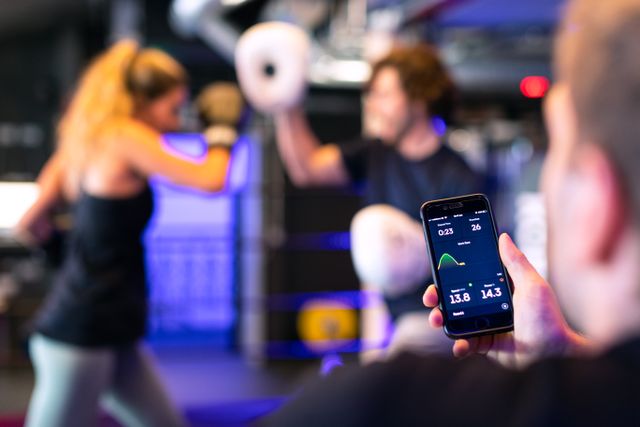
Technology has changed the way athletes train, compete, and evaluate their performance. Instead of relying only on observation and experience, athletes and coaches can now use detailed data to understand movement, workload, speed, technique, and recovery.
Performance tracking is used across professional and amateur sports. From wearable devices and GPS trackers to video analysis and smart equipment, these tools can turn everyday training sessions into measurable information.
What Is Sports Performance Tracking?
Sports performance tracking involves collecting and analyzing information about an athlete's activity and performance.
Depending on the sport and technology being used, tracking may include:
- Distance and speed
- Heart rate
- Acceleration and movement
- Training workload
- Repetition counts
- Technique and movement patterns
- Competition statistics
The goal isn't simply to collect as much data as possible. Useful tracking should help athletes and coaches understand what is happening and make better training decisions.
Wearable Technology for Athletes
Wearable devices are among the most common performance-tracking tools.
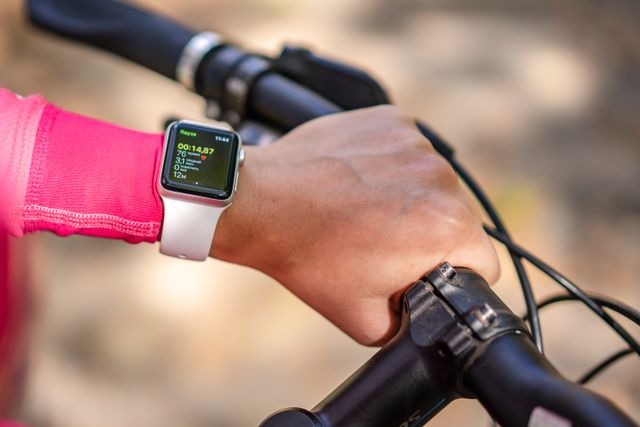
GPS trackers can measure movement during outdoor training, while smartwatches and heart-rate monitors can provide information about exercise intensity. Other devices can track specific movements or repetitions.
For example, a football player might use a GPS device to measure distance covered during a training session, while a runner can use a smartwatch to monitor pace and heart rate.
GPS and Movement Tracking
GPS technology is particularly useful in sports where athletes move across large areas.
Teams can use it to measure distance, speed, acceleration, deceleration, and other movement-related metrics. Coaches can then compare training sessions and identify changes in workload.
In individual sports, GPS can help athletes evaluate running routes, pacing, and training volume.
Video Analysis
Not every important performance measurement comes from a wearable device.
Video analysis allows athletes and coaches to examine technique, positioning, timing, and decision-making. A tennis player might review serve mechanics, while a basketball team could analyze defensive positioning.
Video can also be combined with performance data to provide more context. Numbers may show that an athlete slowed down, while video can help explain why.
Biometric and Physiological Data
Some tracking systems collect physiological information such as heart rate or other indicators related to exercise intensity.
This information can help athletes understand how their bodies respond to different training sessions. Coaches can also use it alongside other data when planning workloads.
However, individual measurements should be interpreted carefully. A number that is normal for one athlete may not have the same meaning for another.
Performance Tracking Across Sports
Different sports require different types of data.
|
Sport |
Common Tracking Technology |
Example Metrics |
|
Football |
GPS, video analysis |
Distance, sprinting, positioning |
|
Basketball |
Motion tracking, video |
Movement, shots, defensive actions |
|
Running |
GPS watches, heart-rate monitors |
Pace, distance, heart rate |
|
Cycling |
GPS computers, power meters |
Speed, distance, power |
|
Swimming |
Wearable sensors, video |
Stroke rate, distance, technique |
|
Tennis |
Video and motion tracking |
Serve speed, movement, shot patterns |
The most useful metrics depend on the demands of the specific sport.
Artificial Intelligence and Sports Data
Artificial intelligence is making it easier to process large amounts of sports data.
AI systems can help identify patterns in video footage, organize performance information, and generate insights from multiple data sources.
For example, a system could analyze thousands of plays to identify recurring tactical patterns or compare an athlete's movements across multiple sessions.
AI can speed up analysis, but the results still need to be interpreted by people who understand the athlete and the sport.
Tracking Training Load
One of the most useful applications of technology is monitoring training load.
Athletes need enough training to improve, but constantly increasing workload isn't necessarily beneficial. Tracking tools can show how much activity an athlete is completing and how that workload changes over time.
Coaches can use this information when planning harder and easier training sessions.
Performance tracking should support training decisions rather than encourage athletes to chase numbers for their own sake.
Using Data to Set Goals
Technology can make goals more specific and measurable.
Instead of saying, "I want to run better," an athlete might set a goal related to pace, distance, consistency, or a specific competition statistic.
Progress can then be tracked over time.
However, not every goal needs to be numerical. Technique, decision-making, confidence, and teamwork may also be important but harder to measure.
The Role of Recovery Data
Some technologies provide information related to sleep, heart rate, or recovery.
Athletes may use these measurements to notice patterns between training and how they feel. For example, consistently difficult training combined with poor sleep and persistent fatigue may indicate a need to reconsider the training schedule.
These tools should complement, rather than replace, attention to how an athlete actually feels.
Benefits and Challenges
Performance tracking can provide valuable information, but it also has limitations.
Potential benefits include:
- More objective performance information
- Better training planning
- Easier progress tracking
- Detailed technical analysis
- Identification of performance patterns
Potential challenges include:
- Cost of equipment
- Data accuracy
- Privacy concerns
- Information overload
- Overreliance on numerical measurements
The best systems are those that provide useful information without making training unnecessarily complicated.
The Future of Performance Tracking
Sports technology is becoming increasingly connected. Wearable devices, cameras, smart equipment, artificial intelligence, and analytics platforms can work together to create a more complete picture of performance.
Future systems may provide more real-time information and more personalized analysis.
At the same time, successful performance will continue to depend on factors that technology cannot fully measure: discipline, motivation, teamwork, decision-making, and the ability to adapt.
Conclusion
Technology has made sports performance easier to measure and analyze. Wearables can track movement and workload, video can reveal technical details, and AI can help process large amounts of information.
But data is most useful when it answers a meaningful question. The goal isn't to collect every possible metric. It's to understand performance better and use that knowledge to support smarter training and competition decisions.
Frequently Asked Questions
Yes. Many consumer devices provide basic tracking features that can help recreational athletes monitor activities such as running, cycling, swimming, and fitness training.


Was This Article Helpful?
Click on a star to rate it!
Thank you for your vote!

Average Rating: 0/5 Votes: 0
Be the first to rate this post!

Proficient background in project planning, execution, and continuous improvement. Experienced in analyzing ideas and forecasting project success, defining requirements and timelines, and managing communication across cross-functional teams. Skilled in creating and maintaining project documentation, automating processes, and making data-driven decisions in critical situations.
View LinkedIn ProfileLatest Posts

Marine Life Conservation Initiatives

Sustainable Agriculture and Food Systems

Gender Equality and Human Rights Progress