Mental Strength in Individual Competition: Winning the Battle Within
Individual competition—whether in sports, academics, or performance—is as much a mental challenge as it is a physical or technical one. Unlike team environments, where responsibility is shared, individual competitors carry everything alone: preparation, pressure, mistakes, and success.
That makes mental strength not just helpful, but essential.
Let’s explore what mental strength really means in individual competition and how it shapes performance.
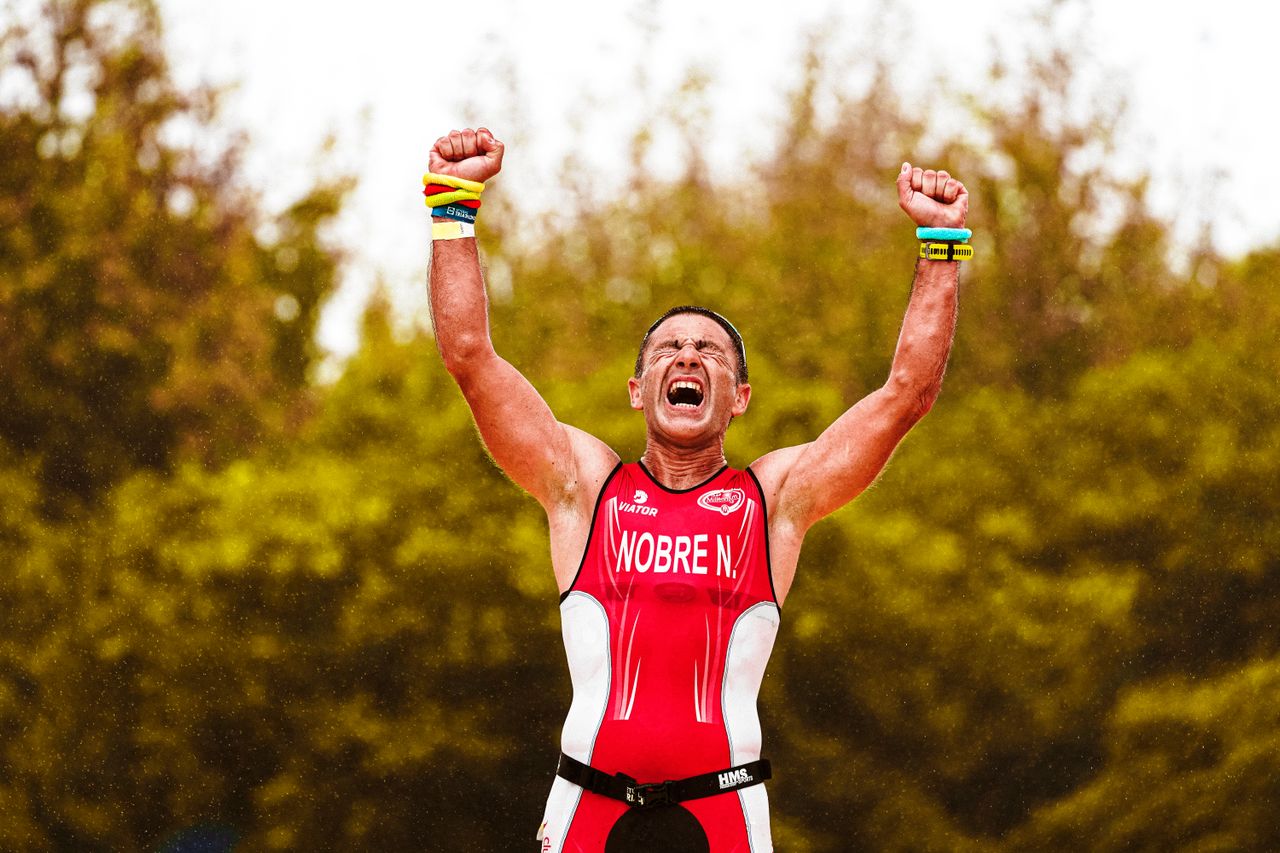
What Is Mental Strength?
Mental strength is the ability to:
- Stay focused under pressure
- Recover quickly from setbacks
- Control emotions during performance
- Maintain confidence in difficult moments
- Stay disciplined without external support
It’s not about never feeling doubt—it’s about not letting doubt control you.
Why Mental Strength Matters More in Individual Competition
In individual settings, there is:
- No teammate to share responsibility
- No one to immediately boost morale
- No shared accountability during failure
- Direct pressure on personal performance
This makes psychological resilience a key factor in success.
Table: Team vs Individual Competition Mindset
|
Aspect |
Team Competition |
Individual Competition |
|
Responsibility |
Shared |
Fully personal |
|
Pressure |
Distributed |
Concentrated |
|
Support |
Teammates |
Self-reliance |
|
Recovery from failure |
Group support |
Internal resilience |
|
Motivation |
External + internal |
Mostly internal |
Handling Pressure
Pressure is constant in individual competition because the spotlight is entirely on one person.
Common pressure triggers:
- Expectations from coaches or family
- Fear of failure
- Self-imposed standards
- Public performance anxiety
How to manage it:
- Focus on process, not outcome
- Break performance into small steps
- Use controlled breathing techniques
- Treat pressure as energy, not threat
Pressure becomes lighter when it is reframed.
Building Self-Confidence
Confidence in individual competition must come from preparation, not validation.
Ways to build it:
- Repeated practice and repetition
- Reviewing past successful performances
- Positive but realistic self-talk
- Visualizing success scenarios
Confidence is not guessing you will succeed—it’s trusting your preparation.
Dealing with Failure
Failure is unavoidable in any competitive environment, but it feels more personal in individual events.
Common reactions:
- Self-doubt
- Overthinking mistakes
- Fear of repeating errors
Healthier approach:
- Analyze instead of criticize
- Separate performance from identity
- Focus on what can be improved
- Treat failure as feedback data
Every mistake becomes useful information when handled correctly.
Staying Focused During Performance
Distraction is one of the biggest enemies in individual competition.
Common distractions:
- Audience pressure
- Internal doubt
- External noise
- Thinking about outcomes mid-performance
How to stay focused:
- Use routines before performance
- Focus only on the next action
- Use cue words (“breathe,” “steady,” “focus”)
- Block out external outcomes
Focus is about narrowing attention, not expanding it.
Emotional Control
Strong emotions can either enhance or destroy performance.
Challenges include:
- Anxiety before competition
- Frustration after mistakes
- Overexcitement affecting control
Emotional control techniques:
- Deep breathing
- Mental reset after errors
- Short pauses between actions
- Acceptance of imperfection
Calm athletes and performers make clearer decisions.
Self-Motivation and Discipline
Without teammates relying on you, motivation must come from within.
Key strategies:
- Set personal goals instead of external comparisons
- Build daily training habits
- Track small improvements
- Create structured routines
Discipline often matters more than motivation in the long run.
Table: Mental Strength Components
|
Component |
Purpose |
|
Focus |
Stay present during performance |
|
Confidence |
Trust preparation |
|
Resilience |
Recover from setbacks |
|
Discipline |
Maintain consistency |
|
Emotional control |
Stabilize reactions |
Handling Loneliness in Individual Competition
Competing alone can feel isolating.
To manage this:
- Build a strong support system (coach, mentors, friends)
- Reflect on personal growth regularly
- Celebrate small milestones
- Remember long-term purpose
Even individual competitors are never truly alone.
Visualization and Mental Rehearsal
Mental imagery is a powerful performance tool.
It helps by:
- Preparing the mind for scenarios
- Reducing anxiety
- Improving confidence
- Strengthening focus
Top performers often visualize success repeatedly before competition.
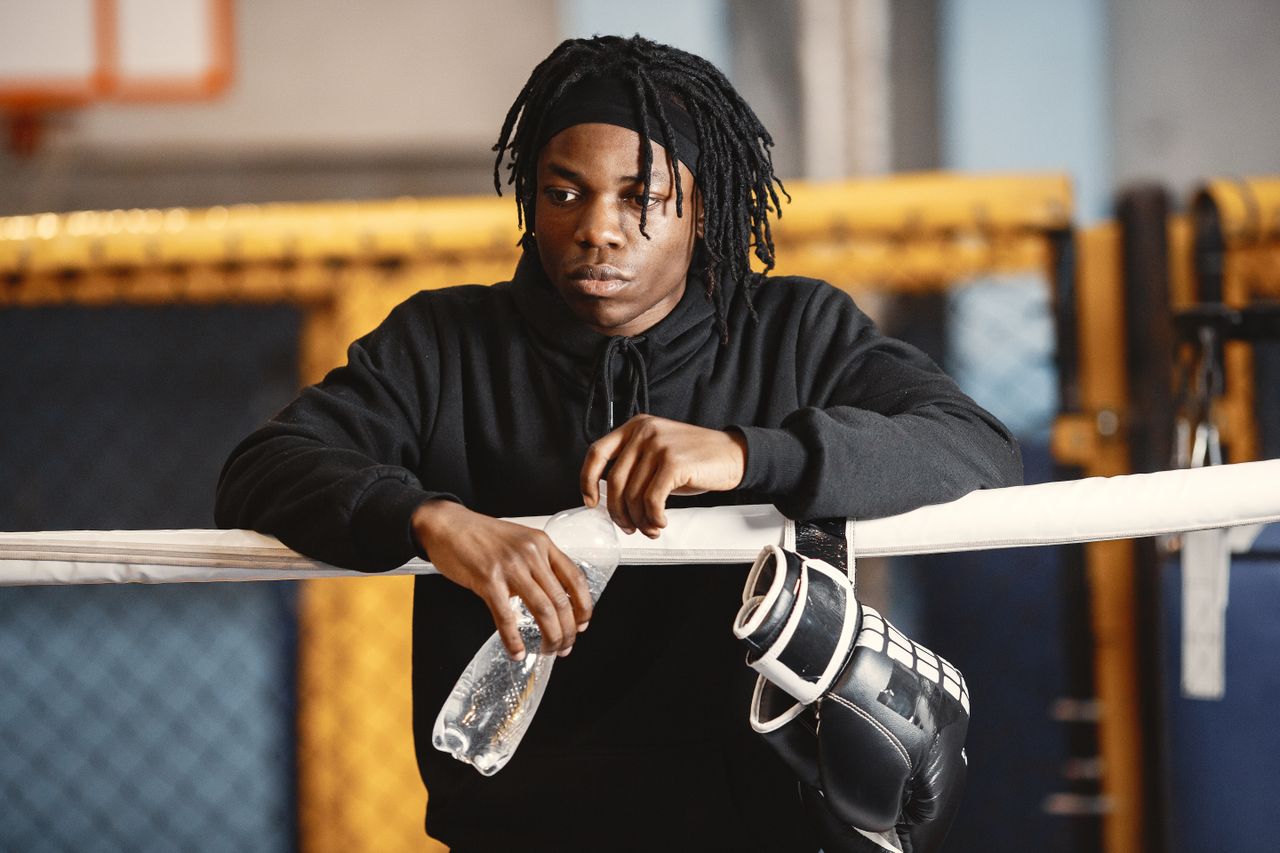
Conclusion
Mental strength in individual competition is the foundation of consistent performance. While physical ability and skill are important, it is the mind that determines how well those abilities are used under pressure. By developing focus, emotional control, discipline, and resilience, competitors can perform at their best—even in the most demanding situations.
In individual competition, you are not only training to win—you are training to stay mentally steady when it matters most.
FAQ: Mental Strength in Individual Competition
Focus, because it determines how well all other skills are used.


Was This Article Helpful?
Click on a star to rate it!
Thank you for your vote!

Average Rating: 0/5 Votes: 0
Be the first to rate this post!

Proficient background in project planning, execution, and continuous improvement. Experienced in analyzing ideas and forecasting project success, defining requirements and timelines, and managing communication across cross-functional teams. Skilled in creating and maintaining project documentation, automating processes, and making data-driven decisions in critical situations.
View LinkedIn ProfileLatest Posts

How Individuals Can Support Animal Protection: Simple Actions That Create Change

The Role of Consumers in Sustainability: How Everyday Choices Can Create Change

Human Rights Challenges in Conflict Zones: Protecting People During Crisis