Sustainable Cities and Urban Planning
As cities continue to grow, creating spaces that are environmentally responsible, socially inclusive, and economically resilient has become more important than ever. Sustainable cities focus on improving quality of life while reducing negative impacts on the environment.
Urban planning plays a key role in shaping how people live, work, and interact with their surroundings. By designing smarter transportation systems, energy-efficient buildings, green spaces, and accessible communities, cities can become healthier and more sustainable places for future generations.
Understanding Sustainable Cities
A sustainable city is an urban area designed to balance environmental protection, economic development, and social well-being.
Sustainable cities aim to:
- Reduce pollution
- Use resources efficiently
- Provide equal access to services
- Protect natural environments
- Improve residents’ quality of life
Unlike traditional urban development, sustainable planning considers the long-term effects of decisions on people and the planet.
Table: Key Elements of Sustainable Urban Planning
|
Element |
Purpose |
Examples |
|
Green Spaces |
Improve environment and public health |
Parks, urban gardens, green roofs |
|
Sustainable Transportation |
Reduce emissions and traffic |
Public transit, cycling paths |
|
Energy Efficiency |
Lower resource consumption |
Smart buildings, renewable energy |
|
Waste Management |
Reduce environmental impact |
Recycling and composting programs |
|
Inclusive Design |
Improve accessibility |
Affordable housing and public spaces |
Creating Green and Healthy Urban Spaces
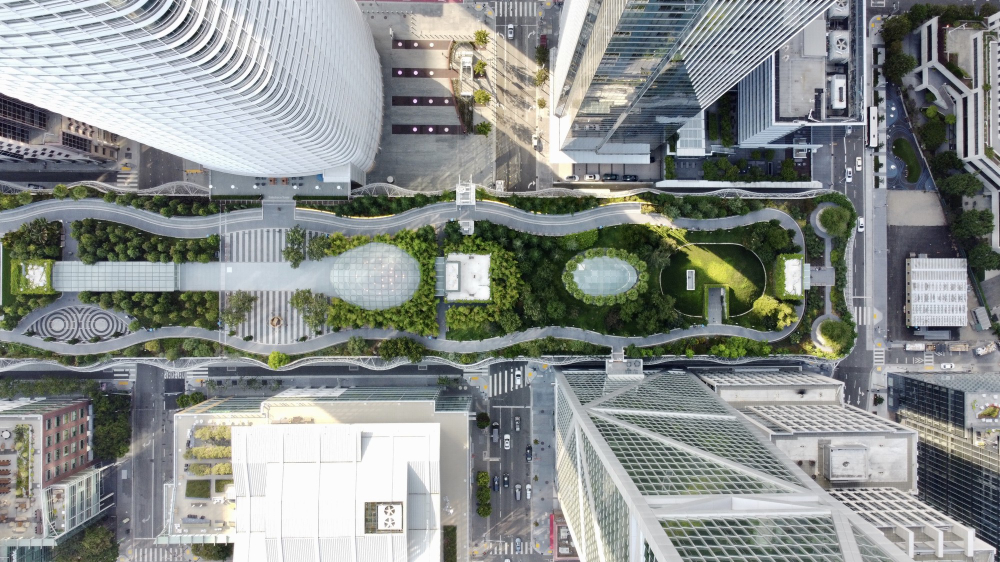
Green spaces are an essential part of sustainable cities. Parks, gardens, and natural areas provide environmental and social benefits.
Urban greenery helps:
- Improve air quality
- Reduce urban temperatures
- Support biodiversity
- Provide recreation areas
- Improve mental well-being
Cities with accessible green spaces often create healthier environments where residents can relax and connect with nature.
Sustainable Transportation Systems
Transportation is one of the largest contributors to urban pollution. Sustainable cities focus on creating alternatives to car-dependent lifestyles.
Modern transportation solutions include:
- Reliable public transportation
- Bicycle-friendly infrastructure
- Pedestrian-friendly streets
- Electric vehicles
- Shared mobility services
Better transportation planning can reduce traffic congestion, lower emissions, and make cities easier to navigate.
Energy-Efficient Buildings
Buildings consume significant amounts of energy, making sustainable construction a major priority.
Green building strategies include:
- Using renewable energy sources
- Improving insulation
- Installing energy-efficient lighting
- Using smart technology
- Designing buildings with natural ventilation
Energy-efficient buildings help reduce costs while lowering environmental impact.
Smart City Technologies
Technology is transforming how cities operate.
Smart city solutions use data and digital tools to improve:
- Energy management
- Traffic control
- Public services
- Waste collection
- Water usage
Examples include:
- Smart traffic systems
- Connected sensors
- Digital public platforms
- Automated energy monitoring
Technology helps cities use resources more effectively and respond to residents’ needs.
Sustainable Waste Management
Growing populations create increasing amounts of waste. Sustainable cities focus on reducing waste and improving resource recovery.
Effective waste strategies include:
- Recycling programs
- Composting
- Waste reduction campaigns
- Reusing materials
- Circular economy approaches
A circular economy aims to keep resources in use for as long as possible instead of creating unnecessary waste.
Affordable and Inclusive Housing
Sustainable urban planning is not only about protecting the environment—it is also about creating fair communities.
Inclusive cities focus on:
- Affordable housing options
- Accessible public spaces
- Equal access to services
- Safe neighborhoods
A sustainable city should provide opportunities and a good quality of life for people with different incomes and needs.
Protecting Urban Biodiversity
Cities can support wildlife and natural ecosystems through thoughtful planning.
Urban biodiversity initiatives include:
- Creating wildlife-friendly areas
- Planting native vegetation
- Protecting waterways
- Developing green corridors
These efforts help maintain ecological balance while improving urban environments.
Water Management in Sustainable Cities
Water resources are becoming increasingly important as cities face population growth and climate challenges.
Sustainable water strategies include:
- Rainwater collection
- Water recycling
- Efficient irrigation
- Protecting natural waterways
- Reducing water waste
Responsible water management helps cities become more resilient during droughts and extreme weather events.
Climate-Resilient Urban Planning
Cities must prepare for environmental challenges such as:
- Flooding
- Heat waves
- Storms
- Rising sea levels
Climate-resilient planning includes:
- Better drainage systems
- Climate-adapted infrastructure
- Emergency preparation
- Heat reduction strategies
Building resilience helps cities protect residents and maintain essential services during difficult conditions.
Community Participation in Urban Planning
Successful sustainable cities involve residents in decision-making.
Community participation helps planners understand:
- Local needs
- Public concerns
- Cultural values
- Preferred improvements
Ways communities can participate include:
- Public discussions
- Local planning projects
- Neighborhood initiatives
- Digital feedback platforms
When residents are involved, urban development becomes more practical and inclusive.
Challenges of Building Sustainable Cities
Although sustainable urban planning offers many benefits, cities face several challenges.
- Rapid Population Growth: Growing populations increase demand for housing, transportation, and resources.
- High Development Costs: Sustainable infrastructure often requires significant investment.
- Balancing Different Needs: Cities must consider environmental goals while supporting economic growth and residents’ needs.
- Aging Infrastructure: Many cities need to upgrade older systems to meet modern sustainability standards.
The Role of Innovation in Future Cities
Future urban development will likely rely on new technologies and creative solutions.
Emerging trends include:
- Artificial intelligence for city management
- Autonomous transportation
- Renewable energy systems
- Vertical gardens and urban farming
- Sustainable construction materials
Innovation can help cities become more efficient, adaptable, and environmentally friendly.
Examples of Sustainable Urban Strategies
Cities around the world are exploring different approaches to sustainability:
- Expanding public transportation networks
- Creating pedestrian-friendly neighborhoods
- Increasing renewable energy use
- Developing smart infrastructure
- Protecting natural areas
Each city must create solutions based on its unique environment, population, and challenges.
Conclusion
Sustainable cities and urban planning are essential for creating a better future as urban populations continue to grow. By combining environmental responsibility, smart technology, inclusive design, and community involvement, cities can become healthier and more resilient.
The takeaway: a sustainable city is not only a place that uses fewer resources—it is a place where people and nature can thrive together.
Frequently Asked Questions
People can contribute by using sustainable transportation, reducing waste, conserving resources, and participating in community initiatives.


Was This Article Helpful?
Click on a star to rate it!
Thank you for your vote!

Average Rating: 0/5 Votes: 0
Be the first to rate this post!

Proficient background in project planning, execution, and continuous improvement. Experienced in analyzing ideas and forecasting project success, defining requirements and timelines, and managing communication across cross-functional teams. Skilled in creating and maintaining project documentation, automating processes, and making data-driven decisions in critical situations.
View LinkedIn ProfileLatest Posts

Conflict Resolution in Relationships
How to Develop a Growth Mindset

How Diet Affects Energy Levels