Renewable Energy and Sustainable Development: Powering a Cleaner Future
Renewable energy is at the heart of sustainable development. As the world faces climate change, resource depletion, and rising energy demands, the shift from fossil fuels to clean energy sources has become essential.
Sustainable development means meeting today’s needs without harming the ability of future generations to meet theirs. Renewable energy is one of the most important tools to achieve that goal.
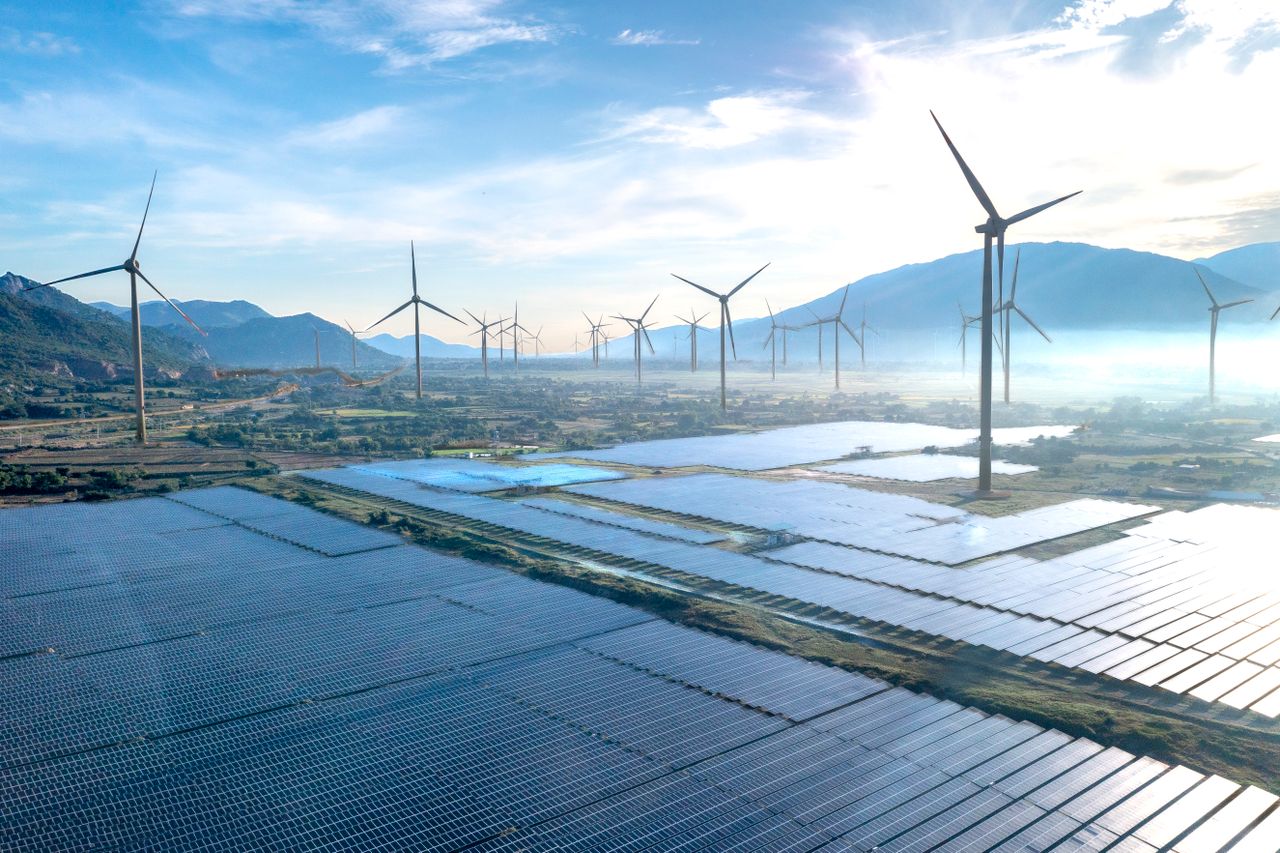
What Is Renewable Energy?
Renewable energy comes from natural sources that are continuously replenished.
Main types include:
- Solar energy (sunlight)
- Wind energy (air movement)
- Hydropower (flowing water)
- Geothermal energy (Earth’s internal heat)
- Biomass energy (organic materials)
Unlike fossil fuels, these sources do not run out on a human timescale.
What Is Sustainable Development?
Sustainable development focuses on balancing three key pillars:
- Environmental protection
- Economic growth
- Social well-being
The goal is long-term stability rather than short-term profit.
Table: Renewable vs Non-Renewable Energy
|
Feature |
Renewable Energy |
Fossil Fuels |
|
Source |
Natural and replenishable |
Finite resources |
|
Pollution |
Low or zero emissions |
High greenhouse gas emissions |
|
Cost over time |
Decreasing |
Increasing due to scarcity |
|
Sustainability |
Long-term viable |
Unsustainable long-term |
Why Renewable Energy Matters
Renewable energy helps:
- Reduce greenhouse gas emissions
- Slow climate change
- Improve air quality
- Decrease dependence on fossil fuels
- Create new economic opportunities
It is a key solution to global environmental challenges.
Solar Energy: Power from the Sun
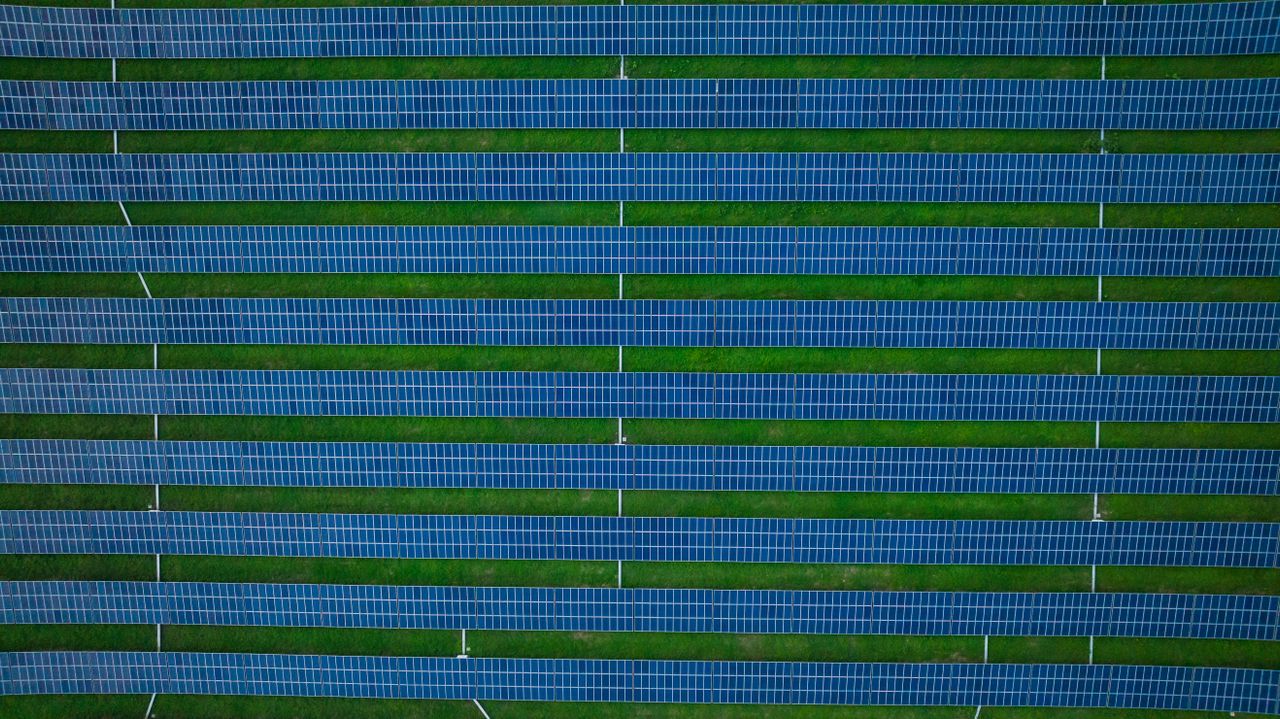
Solar power uses sunlight to generate electricity through photovoltaic panels.
Benefits:
- Abundant and free source
- Low operating costs
- Scalable from homes to large plants
Solar energy is one of the fastest-growing energy sources globally.
Wind Energy: Harnessing Air Movement
Wind turbines convert wind into electricity.
Benefits:
- Clean and renewable
- Efficient in windy regions
- Low land usage impact
Wind farms are often built in coastal or open areas.
Hydropower: Energy from Water
Hydropower uses flowing water to generate electricity.
Benefits:
- Reliable energy source
- Can store energy using reservoirs
- Provides large-scale power generation
However, it can impact ecosystems if not managed carefully.
Geothermal Energy: Heat from Earth
Geothermal energy uses heat from beneath the Earth’s surface.
Benefits:
- Consistent energy supply
- Very low emissions
- Small land footprint
It is especially effective in volcanic regions.
Biomass Energy: Organic Power
Biomass uses organic materials like plant waste and wood.
Benefits:
- Reduces waste
- Can be locally sourced
- Supports rural economies
However, it must be managed carefully to avoid deforestation.
Table: Key Benefits of Renewable Energy
|
Benefit |
Impact |
|
Low emissions |
Reduces climate change |
|
Energy security |
Reduces import dependence |
|
Job creation |
Supports green economy |
|
Health improvement |
Less air pollution |
|
Sustainability |
Long-term resource availability |
Renewable Energy and Climate Change
One of the biggest drivers of renewable energy adoption is climate change.
Fossil fuels release:
- Carbon dioxide (CO₂)
- Methane (CH₄)
- Other greenhouse gases
These gases trap heat in the atmosphere, leading to global warming.
Renewable energy helps reduce these emissions significantly.
Economic Benefits of Renewable Energy
Renewable energy is not only environmentally friendly but also economically beneficial:
- Creates jobs in manufacturing, installation, and maintenance
- Reduces long-term energy costs
- Encourages innovation and investment
- Strengthens energy independence
Many countries are investing heavily in green infrastructure.
Sustainable Development Goals (SDGs)
Renewable energy supports global sustainability goals, especially:
- Affordable and clean energy
- Climate action
- Sustainable cities and communities
- Responsible consumption and production
It plays a central role in long-term global planning.
Table: Challenges of Renewable Energy
|
Challenge |
Explanation |
|
High initial cost |
Infrastructure investment required |
|
Intermittency |
Solar and wind depend on weather |
|
Storage limitations |
Battery technology still developing |
|
Land use |
Large installations need space |
Solutions to Energy Challenges
To improve renewable energy systems, countries are:
- Investing in better battery storage
- Expanding smart grids
- Combining multiple energy sources
- Improving energy efficiency
Technology is rapidly reducing these limitations.
The Role of Individuals
People can support sustainable energy by:
- Using energy-efficient appliances
- Installing solar panels where possible
- Reducing unnecessary electricity use
- Supporting green energy policies
Small actions contribute to larger environmental impact.
The Future of Renewable Energy
The future is moving toward:
- 100% renewable energy systems in some regions
- Advanced battery storage technologies
- Smart cities powered by clean energy
- Electric transportation systems
Renewable energy will likely dominate global energy systems in the coming decades.
Conclusion
Renewable energy is essential for achieving sustainable development. It provides a cleaner, safer, and more stable alternative to fossil fuels while supporting economic growth and environmental protection. By investing in and adopting renewable energy, societies can move toward a more sustainable and resilient future.
The transition is not just a technological shift—it is a global responsibility.
FAQ: Renewable Energy and Sustainable Development
High initial costs, energy storage issues, and weather dependency.


Was This Article Helpful?
Click on a star to rate it!
Thank you for your vote!

Average Rating: 0/5 Votes: 0
Be the first to rate this post!

Strong engineering background in mobile and backend development. Focusing on building scalable products, improving development processes — from architecture and APIs to UX redesigns, monetization, and analytics. Responsible for applications with 1M+ downloads and multi-project ecosystems.
View LinkedIn ProfileLatest Posts

How Individuals Can Support Animal Protection: Simple Actions That Create Change

The Role of Consumers in Sustainability: How Everyday Choices Can Create Change
Human Rights Challenges in Conflict Zones: Protecting People During Crisis