The Role of Education in Promoting Equality
Education is often described as a great equalizer—but what does that really mean? In simple terms, it means education can help reduce gaps between people by giving everyone a fair chance to succeed, regardless of their background.
From income differences to gender gaps and social inequality, education plays a powerful role in shaping a more balanced and fair society.
Let’s explore how.
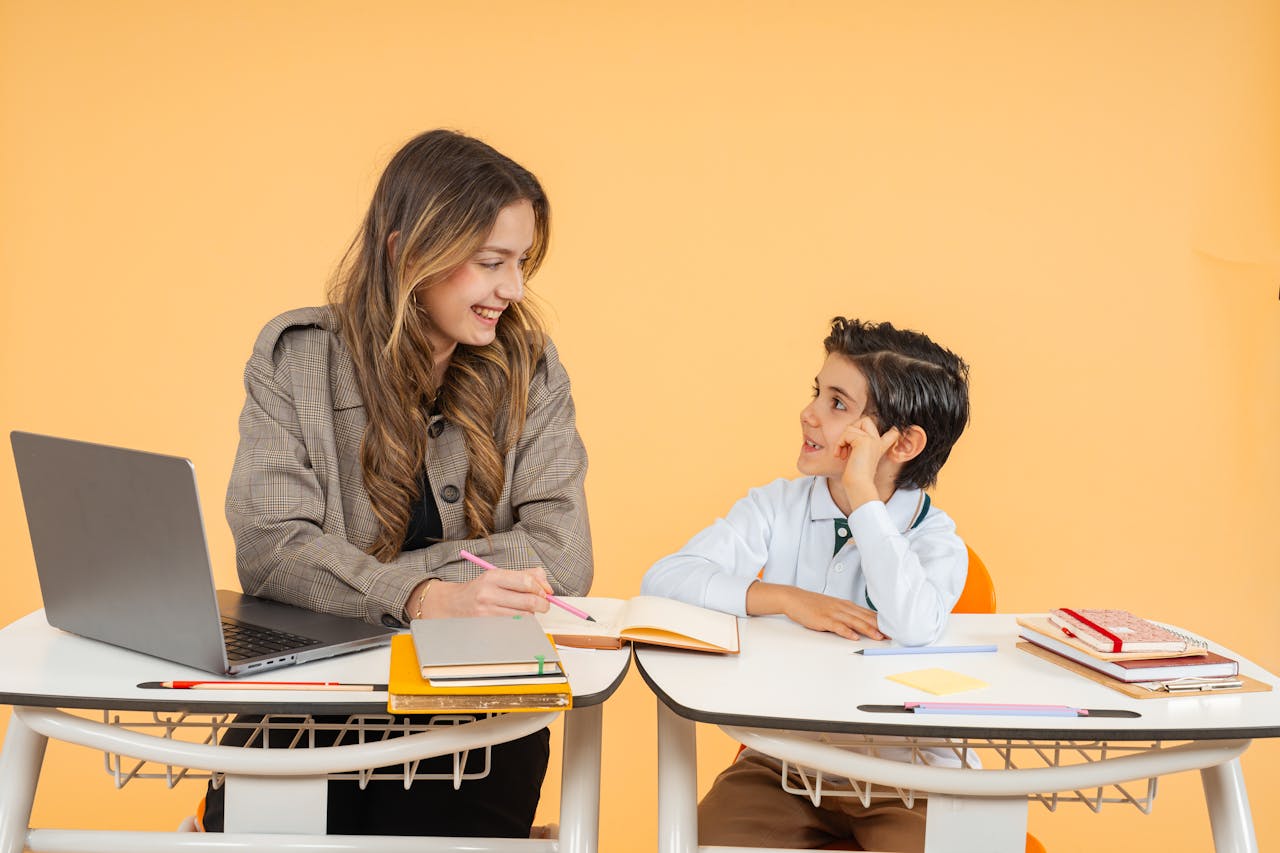
Why Education Matters for Equality
At its core, education provides opportunity.
It helps people:
- Gain knowledge and skills
- Access better jobs
- Improve living conditions
- Understand their rights
Think of education as a ladder. It doesn’t guarantee success, but it gives everyone a way to climb.
Without it, opportunities often stay limited to a few groups.
Breaking the Cycle of Poverty
One of the most important roles of education is helping people escape poverty.
When individuals receive quality education, they can:
- Secure better-paying jobs
- Improve financial stability
- Support their families
- Invest in future generations
This creates a positive cycle where each generation has more opportunities than the last.
It’s like planting seeds that grow into stronger trees over time.
Promoting Gender Equality
Education is a powerful tool for reducing gender inequality.
When girls and boys have equal access to education:
- Women gain financial independence
- Early marriage rates decrease
- Workplace equality improves
- Social stereotypes are challenged
Educated societies tend to be more balanced and inclusive.
Table: Education’s Impact on Equality
|
Area |
Without Education |
With Education |
|
Income |
Limited opportunities |
Higher earning potential |
|
Gender roles |
Traditional restrictions |
Greater equality |
|
Social mobility |
Low movement |
Increased opportunity |
|
Awareness |
Limited knowledge |
Informed decision-making |
|
Community growth |
Slow development |
Faster progress |
Reducing Social Inequality
Education helps bridge gaps between different social groups.
It does this by:
- Teaching critical thinking
- Encouraging respect for diversity
- Reducing prejudice and discrimination
- Creating shared values
When people learn together, they are more likely to understand each other.
Encouraging Equal Opportunities
A fair education system ensures that everyone has access to the same chances.
This includes:
- Equal access to schools
- Affordable or free education
- Inclusive learning environments
- Support for disadvantaged students
When opportunities are equal, talent—not background—determines success.
Building Awareness and Critical Thinking
Education doesn’t just teach facts—it teaches thinking.
It helps people:
- Question unfair systems
- Understand social issues
- Make informed decisions
- Participate in democracy
A well-educated society is harder to manipulate and easier to empower.
Reducing Discrimination and Bias
Many inequalities come from ignorance and stereotypes.
Education helps reduce this by:
- Exposing students to different cultures
- Teaching empathy and respect
- Encouraging open dialogue
- Promoting inclusive values
When people understand differences, fear is replaced with acceptance.
Table: Role of Education in Society
|
Function |
Impact on Equality |
|
Knowledge building |
Empowers individuals |
|
Skill development |
Improves job access |
|
Awareness creation |
Reduces ignorance |
|
Social interaction |
Encourages inclusion |
|
Critical thinking |
Challenges unfair systems |
Challenges in Achieving Educational Equality
Despite its importance, equal education is still not fully achieved worldwide.
Common challenges include:
- Lack of access in rural areas
- High education costs
- Gender inequality in some regions
- Poor infrastructure
- Social and economic barriers
These issues need collective effort to solve.
The Role of Governments and Society
Creating educational equality requires support from multiple levels:
- Governments: Provide funding and policies
- Schools: Ensure inclusive environments
- Communities: Support learners
- Families: Encourage education at home
When everyone works together, education becomes more accessible.
Conclusion
Education is one of the strongest tools for promoting equality in society. It reduces poverty, supports gender equality, encourages social mobility, and builds more informed and fair communities.
While challenges still exist, expanding access to quality education can help create a world where opportunity is not determined by background—but by ability and effort.
In the end, education doesn’t just teach people how to live—it helps shape a fairer world for everyone.
FAQ: The Role of Education in Promoting Equality
It teaches respect, understanding, and awareness of diversity.


Was This Article Helpful?
Click on a star to rate it!
Thank you for your vote!

Average Rating: 0/5 Votes: 0
Be the first to rate this post!

Latest Posts

How Individuals Can Support Animal Protection: Simple Actions That Create Change

The Role of Consumers in Sustainability: How Everyday Choices Can Create Change
Human Rights Challenges in Conflict Zones: Protecting People During Crisis