Article Plan
- What Is Gender Equality?
- The Link Between Gender Equality and Social Justice
- Progress and Challenges Worldwide
- How Individuals Can Promote Gender Equality
- The Role of Organizations and Governments
- Key Areas for Gender Equality Action
- Conclusion
- Frequently Asked Questions about Gender Equality and Social Justice
Gender Equality and Social Justice
Gender equality and social justice are more than just buzzwords—they’re the foundation for a fair and inclusive society. While progress has been made in many areas, gender-based disparities persist worldwide, affecting education, employment, healthcare, and political representation. Understanding these issues and taking action is essential if we want a world where everyone has equal opportunities, regardless of gender.
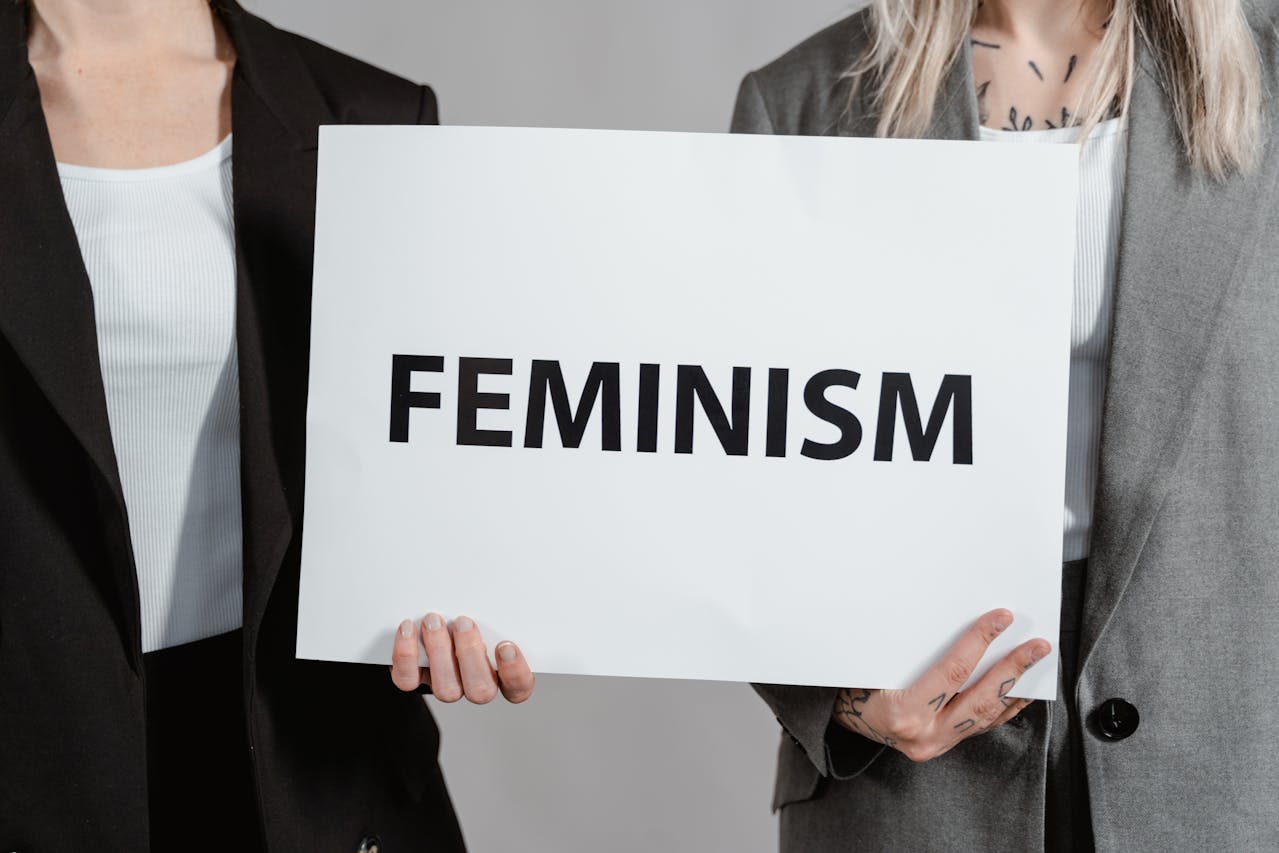
What Is Gender Equality?
Gender equality means that people of all genders have the same rights, responsibilities, and opportunities. It’s about eliminating barriers that prevent someone from achieving their full potential simply because of their gender.
- Equal pay for equal work
- Access to education and healthcare
- Fair representation in leadership roles
- Freedom from discrimination and violence
In short, gender equality ensures that your gender doesn’t determine your life outcomes.
The Link Between Gender Equality and Social Justice
Social justice is about fairness in society. Gender equality is a critical part of social justice because systemic inequalities disproportionately affect women, non-binary people, and marginalized groups.
- Unequal access to education limits career opportunities.
- Gender-based violence undermines safety and freedom.
- Discriminatory laws prevent equal participation in civic life.
Promoting gender equality strengthens social justice for all.
Progress and Challenges Worldwide
Many countries have made significant strides, but challenges remain:
Progress
- Increased female participation in politics and business
- Legal protections against gender-based violence
- Greater awareness of wage gaps
Challenges
- Women still earn less than men globally
- Many countries lack equal inheritance or property rights
- Cultural norms in some areas limit opportunities for girls and women
The fight for equality is ongoing, and awareness is the first step toward change.
How Individuals Can Promote Gender Equality
Everyone can contribute to a fairer society. Small actions add up:
- Educate yourself and others about gender issues
- Challenge stereotypes in daily life
- Support women-owned businesses and inclusive workplaces
- Mentor and sponsor people regardless of gender
- Vote and advocate for policies that promote equality
Change starts at the individual level but resonates throughout society.
The Role of Organizations and Governments
Institutions play a crucial role in ensuring gender equality:
- Enforce anti-discrimination laws
- Provide parental leave and flexible work options
- Promote diversity in leadership positions
- Fund programs that empower marginalized genders
Policies that level the playing field are vital to sustainable change.
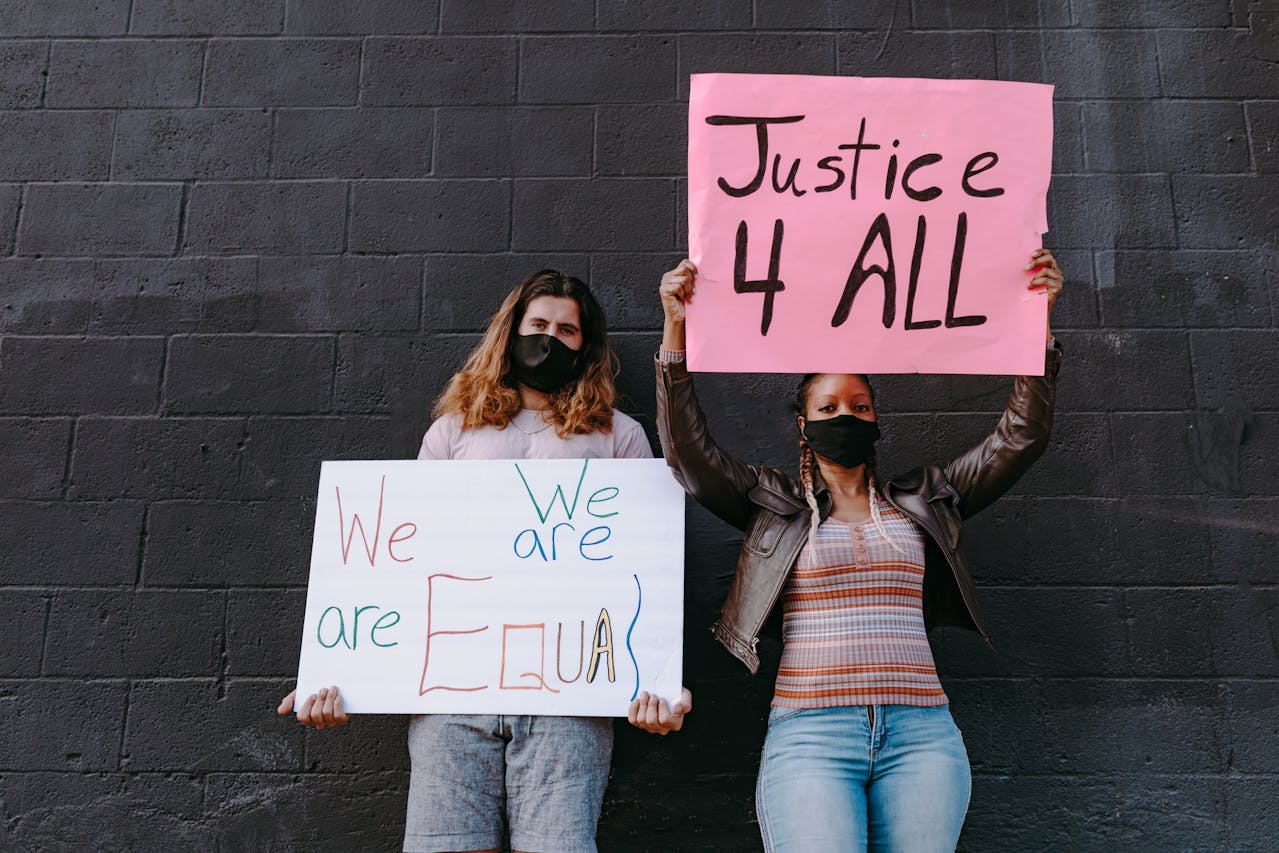
Key Areas for Gender Equality Action
|
Area
|
Current Issue
|
Action Needed
|
|
Education
|
Girls in some regions lack access
|
Scholarships, safe schools, awareness
|
|
Workplace
|
Pay gaps and limited promotions
|
Equal pay laws, mentorship programs
|
|
Politics
|
Underrepresentation of women
|
Quotas, leadership training
|
|
Health
|
Gender-specific healthcare disparities |
Inclusive policies, better access
|
|
Legal Rights
|
Unequal inheritance/property laws |
Reform laws, legal support
|
Conclusion
Gender equality and social justice are intertwined. By fighting for equal rights, we create a society where everyone has the opportunity to thrive, free from discrimination and bias. Progress may be slow, but each step—whether educating others, advocating for policy change, or challenging stereotypes—brings us closer to a fairer world. Equality benefits everyone, not just those directly affected, and is essential for sustainable social development.
Frequently Asked Questions about Gender Equality and Social Justice


Was This Article Helpful?
Click on a star to rate it!
Thank you for your vote!

Average Rating: 4.4/5 Votes: 46
Be the first to rate this post!

Expert in backend development and database architecture. Specializes in building, optimizing, and maintaining scalable PHP applications, designing efficient database structures, and ensuring data integrity and performance. Experienced in working with relational databases, writing optimized queries, and integrating backend systems with APIs and business logic to support reliable, high-performance web solutions.
View LinkedIn ProfileLatest Posts

Travel Photography Tips for Stunning Memories

The Rise of Cross-Platform Gaming

Esports Arenas and the Future of Competitive Gaming