Human Rights Challenges in Conflict Zones: Protecting People During Crisis
Conflict zones are among the most difficult environments for protecting human rights. When wars, political instability, or armed violence occur, civilians often face serious threats to their safety, freedom, and basic needs.
Human rights challenges in conflict zones affect millions of people around the world, creating urgent concerns related to security, access to resources, displacement, and protection from harm.
Understanding these challenges helps highlight why humanitarian efforts, international cooperation, and respect for human rights are essential during times of crisis.
The Impact of Conflict on Human Rights
Armed conflicts can disrupt nearly every aspect of daily life. When violence spreads, communities may lose access to essential services, safe living conditions, and basic protections.
Common human rights concerns in conflict areas include:
- Threats to civilian safety
- Forced displacement
- Limited access to healthcare
- Food and water shortages
- Restrictions on freedom and movement
|
Human Rights Challenge |
Impact on Communities |
Needed Support |
|
Displacement |
People lose homes and stability |
Safe shelters and assistance |
|
Healthcare Disruption |
Reduced access to medical care |
Emergency health services |
|
Food Insecurity |
Increased risk of hunger |
Humanitarian aid |
|
Education Interruptions |
Children lose learning opportunities |
Emergency education programs |
|
Violence Against Civilians |
Physical and emotional harm |
Protection and legal support |
Conflicts often create situations where ordinary people experience the greatest consequences.
Forced Displacement and Refugee Crises
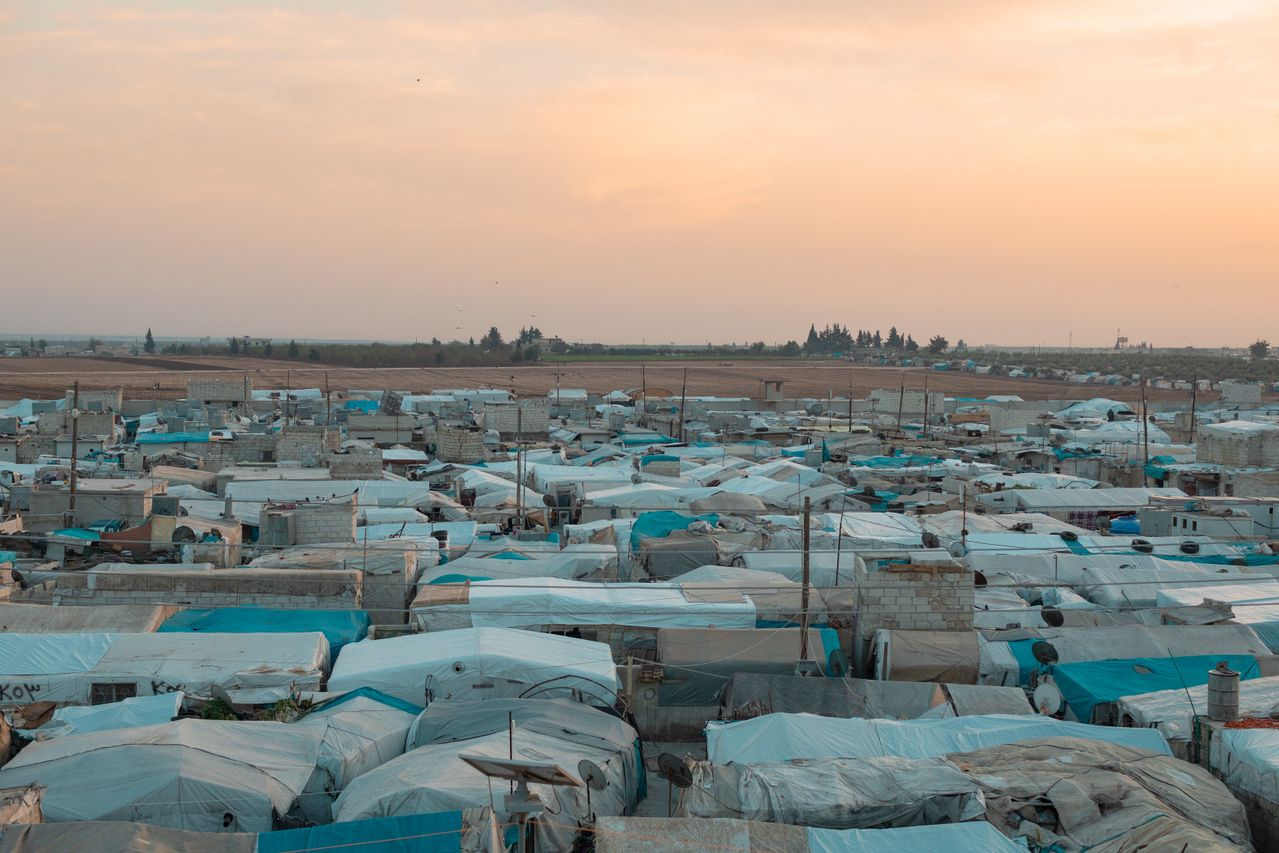
One of the most visible effects of conflict is the displacement of people from their homes. Families may be forced to leave because of violence, insecurity, or destruction of essential infrastructure.
Displaced people often face challenges such as:
- Finding safe housing
- Accessing healthcare
- Maintaining employment
- Reuniting with family members
- Adjusting to new environments
Leaving home is rarely a choice—it is often a decision made for survival.
Protecting Civilians During Armed Conflict
International humanitarian principles emphasize the protection of civilians during conflicts. However, ensuring civilian safety can be extremely challenging in active conflict zones.
Civilians may face risks from:
- Attacks on populated areas
- Destruction of essential infrastructure
- Lack of safe evacuation options
- Limited humanitarian access
Protecting non-combatants remains one of the most important goals of humanitarian work.
Access to Food, Water, and Healthcare
Conflict can damage infrastructure and interrupt supply chains, making it difficult for communities to access basic necessities.
Healthcare systems may struggle because of:
- Damaged medical facilities
- Shortages of supplies
- Lack of healthcare workers
- Increased demand for emergency care
Similarly, access to clean water and food can become a major concern when normal systems are disrupted.
The Impact on Children
Children are especially vulnerable during conflicts. Violence and instability can affect their physical safety, education, and emotional well-being.
Children in conflict zones may experience:
- Interrupted schooling
- Separation from families
- Psychological stress
- Loss of safe environments
Protecting children requires special attention because early experiences can influence their long-term development.
Education During Conflict
Education often becomes one of the first areas affected by conflict. Schools may be damaged, closed, or transformed into emergency facilities.
However, education provides important benefits during crises:
- Creates a sense of stability
- Supports emotional recovery
- Protects children’s future opportunities
- Helps communities rebuild
Maintaining education opportunities is an important part of humanitarian response.
Humanitarian Organizations and International Support
Humanitarian organizations play a critical role in supporting communities affected by conflict. Their work often focuses on providing emergency assistance and protecting vulnerable populations.
Support may include:
- Medical services
- Food distribution
- Shelter assistance
- Legal protection
- Psychological support
Cooperation between local communities, governments, and international organizations is essential for effective responses.
Challenges in Delivering Humanitarian Aid
Providing assistance in conflict zones is often difficult due to safety risks, damaged infrastructure, and restricted access.
Humanitarian workers may face:
- Dangerous conditions
- Limited transportation routes
- Communication challenges
- Security concerns
Despite these obstacles, humanitarian efforts continue to provide vital support to affected populations.
The Role of Human Rights Education
Education about human rights can help communities understand their protections and responsibilities. Awareness can support efforts to prevent abuses and encourage respect for human dignity.
Human rights education promotes:
- Equality
- Respect
- Responsibility
- Peaceful cooperation
Building awareness is an important step toward creating more resilient societies.
Rebuilding Communities After Conflict
The end of violence does not immediately solve the challenges created by conflict. Recovery often requires long-term efforts to rebuild communities.
Post-conflict recovery may involve:
- Restoring infrastructure
- Supporting displaced people
- Rebuilding schools and hospitals
- Strengthening institutions
- Promoting reconciliation
Recovery is not only about rebuilding physical structures—it is also about restoring trust and hope.
The Future of Human Rights Protection
Protecting human rights in conflict zones remains a global challenge. Future efforts may focus on:
- Stronger international cooperation
- Better humanitarian response systems
- Improved conflict prevention
- Greater protection for vulnerable groups
Preventing conflicts before they begin is one of the most effective ways to protect human rights.

Conclusion
Human rights challenges in conflict zones represent some of the most serious humanitarian issues in the world. Violence, displacement, limited access to essential services, and threats to civilian safety can deeply affect individuals and communities.
Addressing these challenges requires compassion, cooperation, and commitment to protecting human dignity. By supporting humanitarian efforts and promoting respect for human rights, societies can work toward a safer and more peaceful future.
Frequently Asked Questions
Conflict prevention involves diplomacy, addressing underlying issues, promoting cooperation, and strengthening peaceful institutions.


Was This Article Helpful?
Click on a star to rate it!
Thank you for your vote!

Average Rating: 0/5 Votes: 0
Be the first to rate this post!

Proficient background in project planning, execution, and continuous improvement. Experienced in analyzing ideas and forecasting project success, defining requirements and timelines, and managing communication across cross-functional teams. Skilled in creating and maintaining project documentation, automating processes, and making data-driven decisions in critical situations.
View LinkedIn ProfileLatest Posts

Career Mistakes to Avoid Early On

How to Stay Competitive in the Job Market

Job Search Tools Every Candidate Should Know