The Impact of Climate Change on Ecosystems
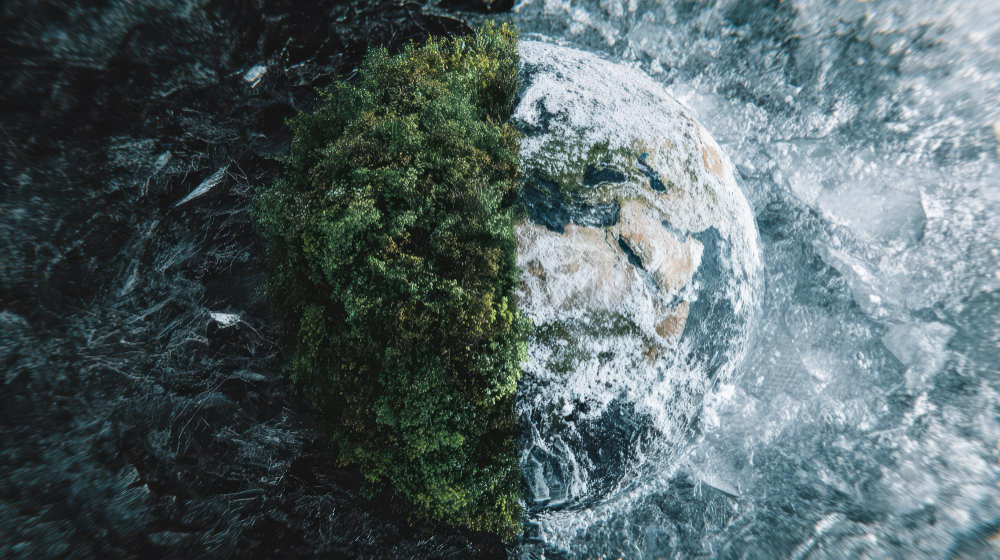
Climate change is one of the greatest environmental challenges facing the planet today. Rising temperatures, changing weather patterns, and increasing extreme events are affecting ecosystems across the world, from oceans and forests to grasslands and deserts.
Ecosystems depend on a delicate balance between plants, animals, climate, and natural resources. When climate conditions change too quickly, many species struggle to adapt, leading to disruptions that can affect biodiversity, food systems, and human communities.
Understanding Climate Change and Ecosystems
An ecosystem is a community of living organisms interacting with each other and their environment. It includes:
- Plants
- Animals
- Microorganisms
- Water systems
- Soil
- Climate conditions
Climate change affects these systems by altering the conditions that species depend on for survival.
Major climate-related changes include:
- Rising global temperatures
- More frequent extreme weather events
- Changing rainfall patterns
- Melting ice and rising sea levels
- Ocean temperature changes
Table: Effects of Climate Change on Ecosystems
|
Climate Change Impact |
Effect on Ecosystems |
Examples |
|
Rising Temperatures |
Changes habitats and species behavior |
Animals migrating to cooler areas |
|
Extreme Weather |
Damages natural environments |
Floods, droughts, wildfires |
|
Ocean Warming |
Disrupts marine ecosystems |
Coral bleaching |
|
Changing Rainfall |
Affects plant growth and water availability |
Forest and agricultural changes |
|
Melting Ice |
Reduces habitats for cold-adapted species |
Polar ecosystem disruption |
Rising Temperatures and Habitat Changes
Increasing temperatures are changing where plants and animals can survive.
Many species have adapted to specific climate conditions over thousands of years. When temperatures rise quickly, they may struggle to find suitable environments.
Effects include:
- Species moving toward cooler regions
- Changes in breeding patterns
- Reduced food availability
- Increased competition between species
For example, animals in mountainous areas may move to higher elevations as lower areas become warmer.
Loss of Biodiversity
Biodiversity refers to the variety of living organisms within an ecosystem. A diverse ecosystem is usually more resilient and better able to recover from changes.
Climate change threatens biodiversity by causing:
- Habitat loss
- Population declines
- Extinction risks
- Disrupted food chains
When one species disappears, it can affect many others that depend on it for food, shelter, or ecological balance.
Impact on Forest Ecosystems
Forests are among the ecosystems most affected by climate change.
Changes in temperature and rainfall can lead to:
- Increased wildfires
- Tree diseases
- Reduced forest growth
- Habitat destruction
Forests also play a major role in regulating the climate by absorbing carbon dioxide. Damage to forests can create a cycle where climate change becomes more difficult to control.
Effects on Marine Ecosystems
Oceans are experiencing significant changes due to climate change.
Major impacts include:
- Rising ocean temperatures
- Ocean acidification
- Sea-level rise
- Changes in marine species distribution
Coral reefs are especially vulnerable. Warmer waters can cause coral bleaching, where corals lose the algae they depend on for survival.
Marine ecosystem changes can affect:
- Fish populations
- Coastal communities
- Global food supplies
Changes in Freshwater Ecosystems
Rivers, lakes, and wetlands are also affected by climate change.
Changing conditions can influence:
- Water availability
- Aquatic habitats
- Species survival
- Water quality
Droughts can reduce freshwater resources, while floods can damage habitats and introduce pollutants into water systems.
Climate Change and Wildlife Behavior
Animals often respond to climate changes by adjusting their behavior.
Examples include:
- Changing migration patterns
- Altering feeding habits
- Moving to new habitats
- Changing breeding seasons
However, some species cannot adapt quickly enough, especially those with limited habitats or specific environmental needs.
The Impact on Grasslands and Desert Ecosystems
Grasslands and deserts are also experiencing climate-related changes.
Potential impacts include:
- Increased drought
- Soil degradation
- Reduced plant growth
- Changes in animal populations
These ecosystems support many species and provide important resources for humans, including food production and carbon storage.
Effects on Food Systems
Healthy ecosystems are essential for agriculture and food security.
Climate change can affect food systems through:
- Reduced crop productivity
- Changes in pollination
- Increased pests and diseases
- Water shortages
Pollinators such as bees and butterflies are especially important because many plants depend on them for reproduction.
Climate Change and Human Communities
Although climate change directly affects ecosystems, humans are also impacted.
Environmental changes can influence:
- Access to clean water
- Food availability
- Public health
- Local economies
- Natural resources
Protecting ecosystems is therefore important not only for wildlife but also for human well-being.
The Role of Technology in Environmental Protection
Technology is helping scientists better understand and protect ecosystems.
Modern tools include:
- Satellite monitoring
- Climate models
- Artificial intelligence analysis
- Environmental sensors
- Wildlife tracking systems
These innovations help researchers identify risks and develop better conservation strategies.
The Future of Ecosystems and Climate Action
The future of ecosystems depends on the choices made today.
Important priorities include:
- Protecting biodiversity
- Reducing emissions
- Restoring natural habitats
- Supporting sustainable development
- Increasing environmental awareness
While climate change presents serious challenges, coordinated action can help ecosystems adapt and recover.
Conclusion
Climate change is transforming ecosystems around the world by affecting habitats, biodiversity, weather patterns, and natural resources. From forests and oceans to freshwater systems and grasslands, every environment is experiencing the effects of a changing climate.
The takeaway: protecting ecosystems means protecting the balance of life on Earth. Through conservation, sustainable choices, and global cooperation, people can help preserve nature for future generations.
Frequently Asked Questions
People can help by reducing waste, conserving resources, supporting sustainable practices, and protecting natural environments.


Was This Article Helpful?
Click on a star to rate it!
Thank you for your vote!

Average Rating: 0/5 Votes: 0
Be the first to rate this post!

Tech entrepreneur & digital strategist with over 9 years of experience in backend development and more than 5 years in executive leadership. Education Software and Web developer. More than 20 years of experience in software and web development.
View LinkedIn ProfileLatest Posts

Conflict Resolution in Relationships

How to Develop a Growth Mindset

How Diet Affects Energy Levels