Forest Conservation and Environmental Protection: Protecting the Planet’s Natural Future
Forests are some of the most valuable ecosystems on Earth. They provide clean air, support wildlife, regulate climate, and help maintain the balance of nature. However, increasing human activity, deforestation, and climate challenges continue to threaten these essential environments.
Forest conservation and environmental protection are critical for preserving biodiversity, supporting communities, and creating a healthier planet for future generations.
But why are forests so important, and what can be done to protect them?

The Importance of Forests for the Planet
Forests cover large areas of the Earth and play a major role in maintaining environmental stability. They are home to countless species and provide resources that support human life.
Forests help by:
- Producing oxygen
- Absorbing carbon dioxide
- Protecting water systems
- Preventing soil erosion
- Supporting biodiversity
A forest is more than a collection of trees—it is a complex network where plants, animals, microorganisms, and natural processes work together.
How Forests Support Biodiversity
Forests are among the richest habitats on the planet. They provide shelter and food for millions of species, many of which cannot survive anywhere else.
Healthy forests support:
- Birds and mammals
- Insects and pollinators
- Plants and fungi
- Aquatic ecosystems
|
Forest Benefit |
Environmental Impact |
Why It Matters |
|
Carbon Storage |
Reduces greenhouse gases |
Helps slow climate change |
|
Wildlife Habitat |
Protects species diversity |
Maintains ecosystem balance |
|
Water Protection |
Supports clean water systems |
Benefits communities and nature |
|
Soil Protection |
Prevents erosion |
Keeps land productive |
|
Natural Resources |
Provides sustainable materials |
Supports human needs |
Protecting forests means protecting the many forms of life that depend on them.
The Threats Facing Forest Ecosystems
Despite their importance, forests face serious challenges around the world.
Major threats include:
- Deforestation
- Illegal logging
- Agricultural expansion
- Urban development
- Wildfires
- Climate change
When forests disappear, the consequences extend beyond trees. Loss of forests can affect weather patterns, wildlife populations, and human communities.
The Role of Forests in Fighting Climate Change
Forests are often called natural climate solutions because they absorb and store carbon dioxide from the atmosphere.
Trees capture carbon through photosynthesis and store it in:
- Wood
- Roots
- Soil
When forests are destroyed, stored carbon can be released back into the atmosphere, contributing to climate challenges.
Protecting and restoring forests is one important strategy for reducing environmental impacts.
Forest Conservation Strategies
Forest conservation focuses on protecting existing forests while promoting responsible use of natural resources.
Important conservation approaches include:
Sustainable Forestry
Sustainable forestry allows people to use forest resources while maintaining ecosystem health. This includes careful planning, responsible harvesting, and forest restoration.
Reforestation and Restoration
Planting trees and restoring damaged ecosystems can help rebuild forest areas.
Reforestation projects can:
- Restore habitats
- Improve soil quality
- Increase carbon storage
- Support local communities
Protected Areas
National parks, nature reserves, and conservation zones help protect important ecosystems from harmful activities.
These areas preserve biodiversity and allow natural processes to continue.
The Connection Between Forests and Communities
Millions of people around the world depend on forests for their livelihoods. Forests provide:
- Food
- Medicine
- Materials
- Income opportunities
Successful conservation efforts often involve local communities because people who depend on forests play an important role in protecting them.
The Importance of Sustainable Choices
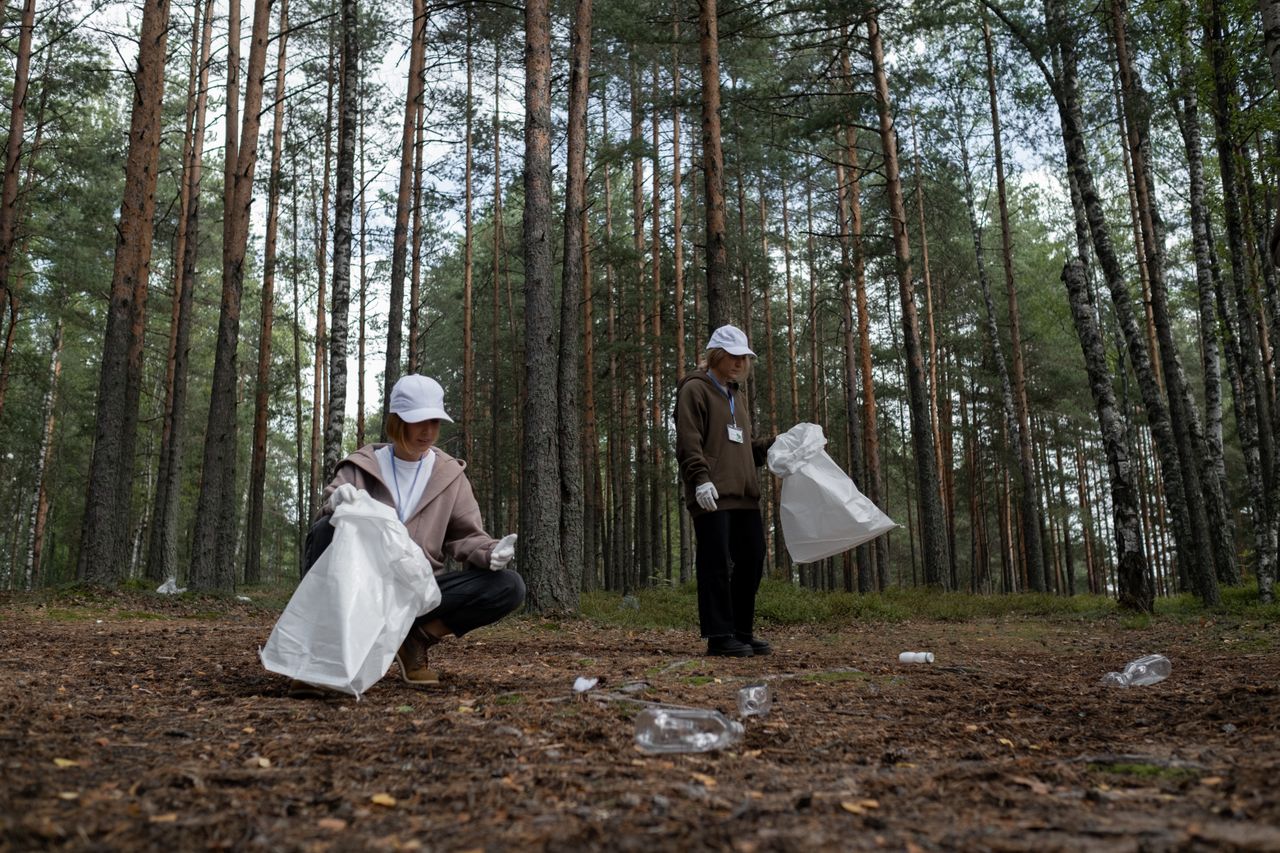
Individuals can contribute to forest protection through everyday decisions.
Helpful actions include:
- Choosing responsibly sourced products
- Reducing paper waste
- Recycling materials
- Supporting conservation organizations
- Learning about environmental issues
Small actions from many people can create meaningful change.
Technology and Forest Protection
Modern technology is helping scientists and conservationists monitor and protect forests more effectively.
New tools include:
- Satellite monitoring
- Artificial intelligence analysis
- Drone technology
- Digital mapping systems
These technologies help identify illegal activities, track forest changes, and improve conservation planning.
The Role of Governments and Organizations
Large-scale forest protection requires cooperation between governments, communities, and environmental organizations.
Effective policies may include:
- Protecting natural areas
- Enforcing conservation laws
- Supporting sustainable industries
- Investing in restoration projects
Long-term environmental protection depends on collaboration and commitment.
The Future of Forest Conservation
The future of forests depends on the choices made today. As environmental awareness grows, more people and organizations are focusing on sustainable solutions.
Future conservation efforts may include:
- Climate-smart forestry
- More restoration projects
- Improved environmental education
- Stronger protection programs
Protecting forests is not only about preserving nature—it is about protecting the future of life on Earth.
Conclusion
Forest conservation and environmental protection are essential for maintaining a healthy planet. Forests provide clean air, protect biodiversity, support communities, and help regulate the climate.
By combining sustainable practices, responsible choices, technological innovation, and global cooperation, we can protect these valuable ecosystems for generations to come.
Every tree preserved today contributes to a stronger and more sustainable tomorrow.
Frequently Asked Questions
Technology such as satellites and drones helps monitor forests, detect threats, and improve conservation strategies.


Was This Article Helpful?
Click on a star to rate it!
Thank you for your vote!

Average Rating: 0/5 Votes: 0
Be the first to rate this post!

Expert in backend development and database architecture. Specializes in building, optimizing, and maintaining scalable PHP applications, designing efficient database structures, and ensuring data integrity and performance. Experienced in working with relational databases, writing optimized queries, and integrating backend systems with APIs and business logic to support reliable, high-performance web solutions.
View LinkedIn ProfileLatest Posts

Common Personal Finance Mistakes to Avoid

SEO Content Strategies That Rank Higher

How Economic Trends Influence Investment Markets