The Role of Animal Shelters in Communities: Care, Protection, and Compassion
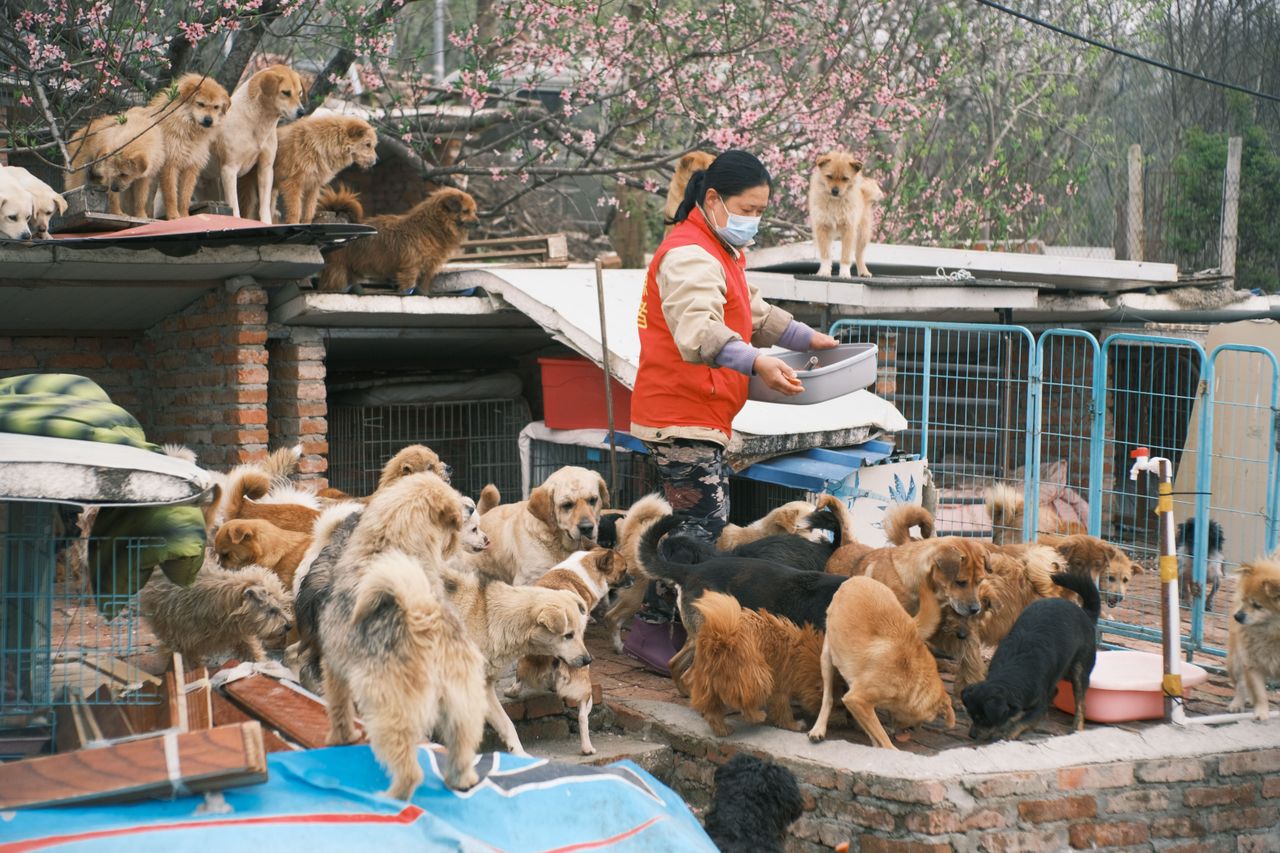
Animal shelters play a vital role in modern communities by protecting, caring for, and rehoming animals in need. They are more than just temporary housing facilities—they are centers of rescue, rehabilitation, education, and community support.
As urbanization grows and human–animal interactions increase, shelters have become essential for maintaining both animal welfare and public health.
What Is an Animal Shelter?
An animal shelter is an organization that:
- Rescues stray, abandoned, or abused animals
- Provides food, medical care, and safe housing
- Rehomes animals through adoption programs
- Supports population control efforts (like spay/neuter programs)
Shelters may be publicly funded, privately run, or operated by nonprofit organizations.
Core Functions of Animal Shelters
Animal shelters serve multiple important purposes:
1. Rescue and Intake
They take in animals from:
- Streets
- Abandonment cases
- Natural disasters
- Owner surrender situations
This provides immediate safety for vulnerable animals.
2. Medical Care and Rehabilitation
Many animals arrive injured, sick, or malnourished.
Shelters provide:
- Vaccinations
- Emergency treatment
- Surgery when needed
- Recovery care and nutrition
3. Adoption Services
One of the main goals is to find permanent homes.
Shelters:
- Match animals with suitable families
- Screen potential adopters
- Educate new owners on care responsibilities
Table: Key Roles of Animal Shelters
|
Role |
Purpose |
|
Rescue |
Save animals from harm or abandonment |
|
Medical care |
Treat illness and injuries |
|
Adoption |
Find permanent homes |
|
Education |
Promote responsible pet ownership |
|
Population control |
Reduce stray animal numbers |
Controlling Stray Animal Populations
Unchecked stray populations can lead to:
- Overcrowding
- Disease spread
- Traffic accidents
- Animal suffering
Shelters help through:
- Spay and neuter programs
- Trap–neuter–return (TNR) initiatives
- Public awareness campaigns
These efforts reduce long-term stray populations humanely.
Promoting Public Health and Safety
Animal shelters also protect communities by:
- Vaccinating animals against diseases like rabies
- Managing aggressive or injured stray animals safely
- Reducing animal-related accidents
Healthy animal populations contribute to healthier communities.
Education and Community Outreach
Many shelters actively educate the public.
They teach:
- Responsible pet ownership
- Proper feeding and care
- Importance of vaccination
- Animal behavior and training
They may also host school visits, workshops, and volunteer programs.
Table: Benefits of Animal Shelters for Communities
|
Benefit |
Impact |
|
Reduced stray population |
Cleaner, safer streets |
|
Disease prevention |
Improved public health |
|
Pet adoption services |
Reduced euthanasia rates |
|
Education programs |
Better pet care awareness |
|
Volunteer opportunities |
Stronger community engagement |
Emotional and Social Benefits
Animal shelters also provide emotional value to communities:
- Companionship for adopters
- Therapy animals for emotional support
- Volunteer engagement that reduces stress
- A sense of purpose for animal lovers
Pets often improve mental health and reduce loneliness.
Challenges Faced by Animal Shelters
Despite their importance, shelters often struggle with:
- Overcrowding: Too many animals and limited space.
- Limited funding: Many shelters rely on donations and volunteers.
- Medical costs: Treating sick or injured animals can be expensive.
- Adoption delays: Some animals stay in shelters for long periods.
Table: Common Shelter Challenges and Solutions
|
Challenge |
Possible Solution |
|
Overcrowding |
Increased adoption campaigns |
|
Low funding |
Community donations and grants |
|
High medical costs |
Veterinary partnerships |
|
Low adoption rates |
Awareness and outreach programs |
The Role of Volunteers
Volunteers are essential to shelter operations.
They help with:
- Feeding and cleaning animals
- Walking dogs and socializing pets
- Assisting with adoption events
- Administrative support
Volunteering strengthens both shelters and community bonds.
Adoption vs Buying Pets
Shelters encourage adoption over purchasing pets.
Benefits of adoption:
- Saves an animal’s life
- Reduces shelter overcrowding
- Often more affordable
- Supports ethical animal care
Adoption helps break the cycle of abandonment and overbreeding.
Table: Adoption vs Purchasing
|
Factor |
Adoption |
Purchasing |
|
Cost |
Lower |
Higher |
|
Impact |
Saves lives |
May support breeding industry |
|
Health screening |
Included in shelters |
Varies |
|
Ethical impact |
Positive |
Mixed |
The Future of Animal Shelters
Modern shelters are evolving with:
- Improved veterinary technology
- Stronger adoption networks
- Digital platforms for pet matching
- Community-driven funding models
- Greater focus on no-kill policies
The future emphasizes compassion and long-term welfare.
Conclusion
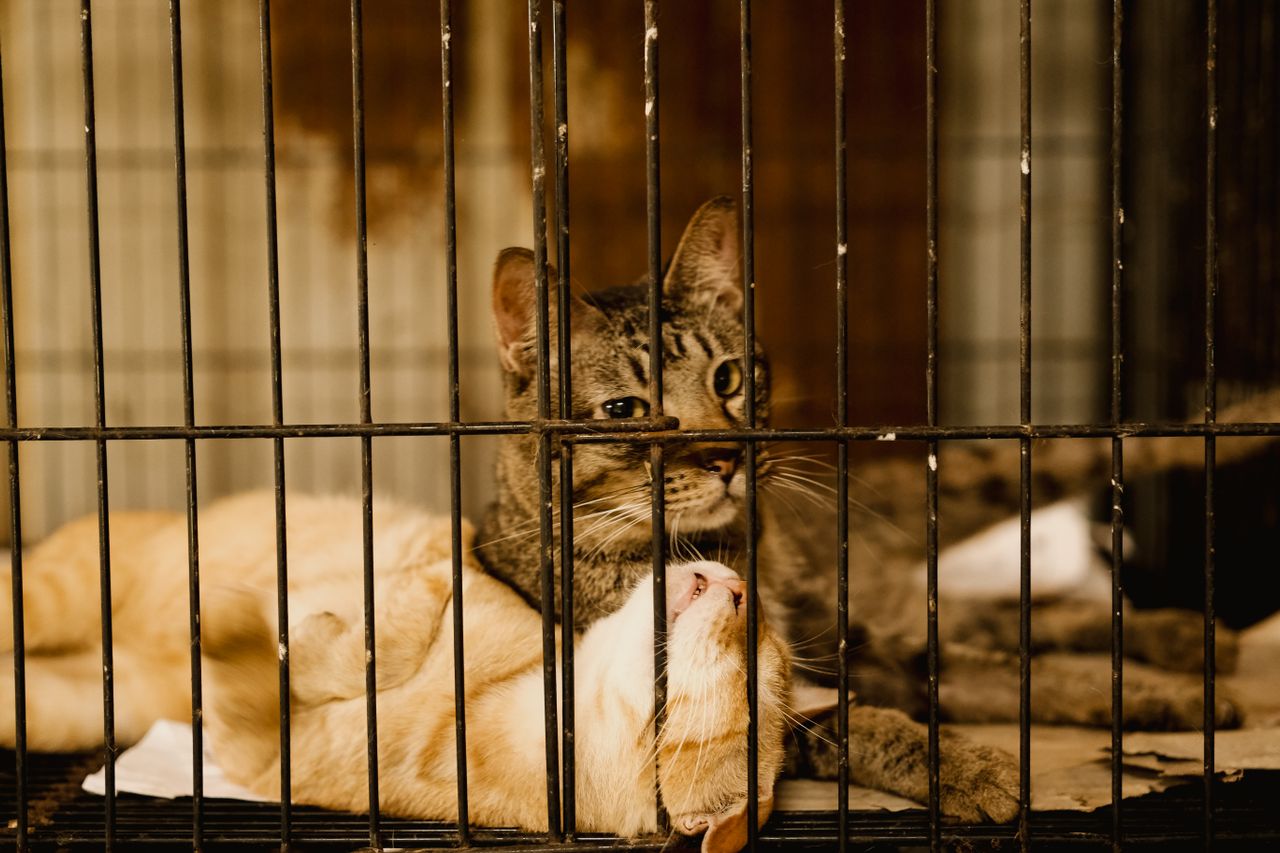
Animal shelters are essential pillars of compassionate and healthy communities. They protect vulnerable animals, promote responsible ownership, and support public health and safety. Beyond their practical functions, they also reflect a society’s values of kindness and responsibility toward living beings.
Supporting animal shelters—through adoption, volunteering, or donations—creates a direct positive impact on both animals and the wider community.
FAQ: The Role of Animal Shelters
Adoption gives a home to an existing animal in need, while buying usually supports breeders.


Was This Article Helpful?
Click on a star to rate it!
Thank you for your vote!

Average Rating: 0/5 Votes: 0
Be the first to rate this post!

Expert in backend development and database architecture. Specializes in building, optimizing, and maintaining scalable PHP applications, designing efficient database structures, and ensuring data integrity and performance. Experienced in working with relational databases, writing optimized queries, and integrating backend systems with APIs and business logic to support reliable, high-performance web solutions.
View LinkedIn ProfileLatest Posts

How Individuals Can Support Animal Protection: Simple Actions That Create Change

The Role of Consumers in Sustainability: How Everyday Choices Can Create Change
Human Rights Challenges in Conflict Zones: Protecting People During Crisis