How Individuals Can Support Animal Protection: Simple Actions That Create Change
Animals play an important role in the natural world and in human communities. From wildlife and farm animals to pets and endangered species, every animal depends on responsible human actions for protection and well-being.
Animal protection is not only the responsibility of organizations or governments. Individuals can make meaningful contributions through everyday choices, compassionate actions, and greater awareness.
So, how can one person help create a safer and kinder world for animals?
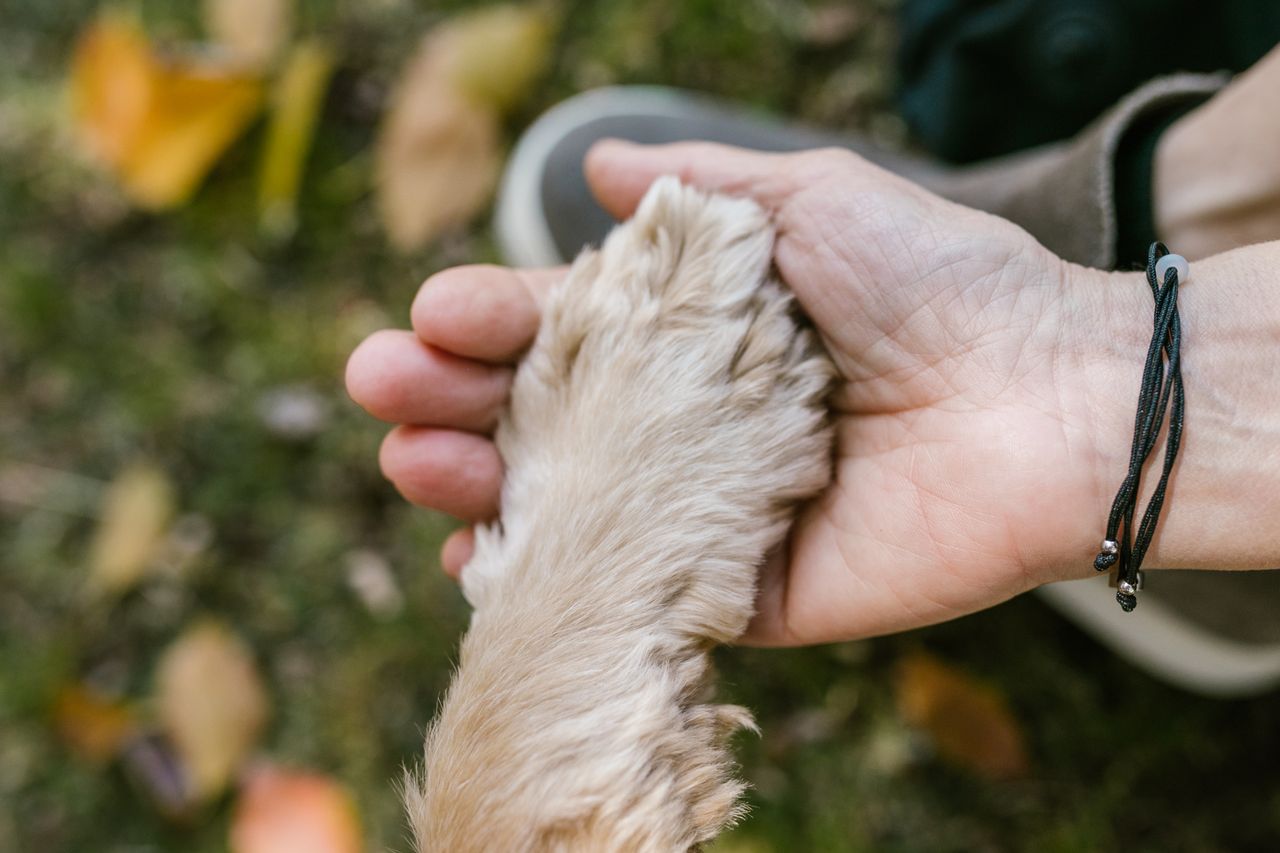
Understanding the Importance of Animal Protection
Animal protection focuses on preventing cruelty, supporting animal welfare, and preserving species and ecosystems. It involves ensuring that animals have access to safe environments, proper care, and protection from unnecessary harm.
Protecting animals matters because:
- Animals are part of balanced ecosystems
- Biodiversity supports a healthy planet
- Animals contribute to human communities
- Compassion toward animals reflects responsible societies
Every species has a role in nature, and losing one can affect many others.
Providing Responsible Care for Pets
One of the most direct ways individuals can support animal protection is by caring responsibly for pets. Owning an animal is a long-term commitment that requires attention, time, and resources.
Responsible pet ownership includes:
- Providing nutritious food and clean water
- Scheduling regular veterinary care
- Creating a safe living environment
- Offering exercise and mental stimulation
- Preventing abandonment
|
Individual Action |
Benefit for Animals |
Example |
|
Adopt responsibly |
Gives animals safe homes |
Choosing adoption over abandonment |
|
Support shelters |
Helps animals receive care |
Donating supplies or volunteering |
|
Protect wildlife |
Preserves natural habitats |
Avoiding harmful activities |
|
Choose ethical products |
Reduces animal suffering |
Researching brands and practices |
|
Educate others |
Increases awareness |
Sharing reliable information |
Caring for animals means understanding that they are living beings with physical and emotional needs.
Supporting Animal Shelters and Rescue Organizations
Animal shelters and rescue groups provide essential services for animals in need. They often care for abandoned, injured, or neglected animals while searching for safe homes.
Individuals can support these organizations by:
- Adopting animals
- Volunteering time
- Donating food or supplies
- Helping with fundraising
- Sharing adoption information
Even small contributions can help shelters provide better care.
Making Ethical Consumer Choices
Many everyday purchases can affect animal welfare. Consumers can support better practices by learning more about how products are made.
Responsible choices may include:
- Supporting companies with strong animal welfare standards
- Choosing cruelty-free products when possible
- Avoiding products linked to illegal wildlife trade
- Buying fewer unnecessary items
Consumer decisions can encourage businesses to adopt more responsible approaches.
Protecting Wildlife and Natural Habitats
Wild animals depend on healthy ecosystems to survive. Habitat loss, pollution, and climate challenges can threaten many species.
Individuals can help protect wildlife by:
- Reducing waste
- Recycling materials
- Respecting animals in nature
- Avoiding disturbance of habitats
- Supporting conservation efforts
A simple action, such as keeping natural areas clean, can help protect many species.
Supporting Sustainable Living
Environmental choices and animal protection are closely connected. Many actions that benefit the planet also support wildlife.
Sustainable habits include:
- Reducing plastic use
- Conserving water
- Using resources responsibly
- Choosing environmentally friendly products
Healthy ecosystems provide safer habitats for animals.
Learning and Spreading Awareness
Education is one of the most powerful tools for animal protection. Understanding animal welfare issues helps people make better decisions and inspire others.
Individuals can:
- Learn about local wildlife
- Teach children kindness toward animals
- Share accurate information
- Participate in community programs
Awareness can transform attitudes and encourage more compassionate behavior.
Speaking Up Against Animal Cruelty
Individuals can help by recognizing and reporting situations where animals may be harmed.
Responsible actions include:
- Reporting suspected abuse through appropriate channels
- Supporting stronger animal protection measures
- Encouraging humane treatment
- Promoting respectful attitudes toward animals
Creating change often begins when people choose not to ignore harmful situations.
The Role of Communities in Animal Protection
Collective action can have a greater impact than individual efforts alone. Communities can create safer environments for animals through cooperation.
Community initiatives may include:
- Local rescue programs
- Wildlife protection projects
- Educational events
- Animal care campaigns
When people work together, they can address larger challenges more effectively.
How Technology Supports Animal Protection
Modern technology has created new tools for helping animals.
Examples include:
- Online adoption platforms
- Wildlife tracking systems
- Digital fundraising campaigns
- Educational resources
Technology allows more people to participate in animal protection efforts.
Building a More Compassionate Future
Animal protection begins with everyday choices. While one person may not be able to solve every challenge, individual actions contribute to larger movements for change.
A world where animals are treated with care requires:
- Responsibility
- Awareness
- Respect
- Cooperation
Small acts of kindness can create lasting effects.
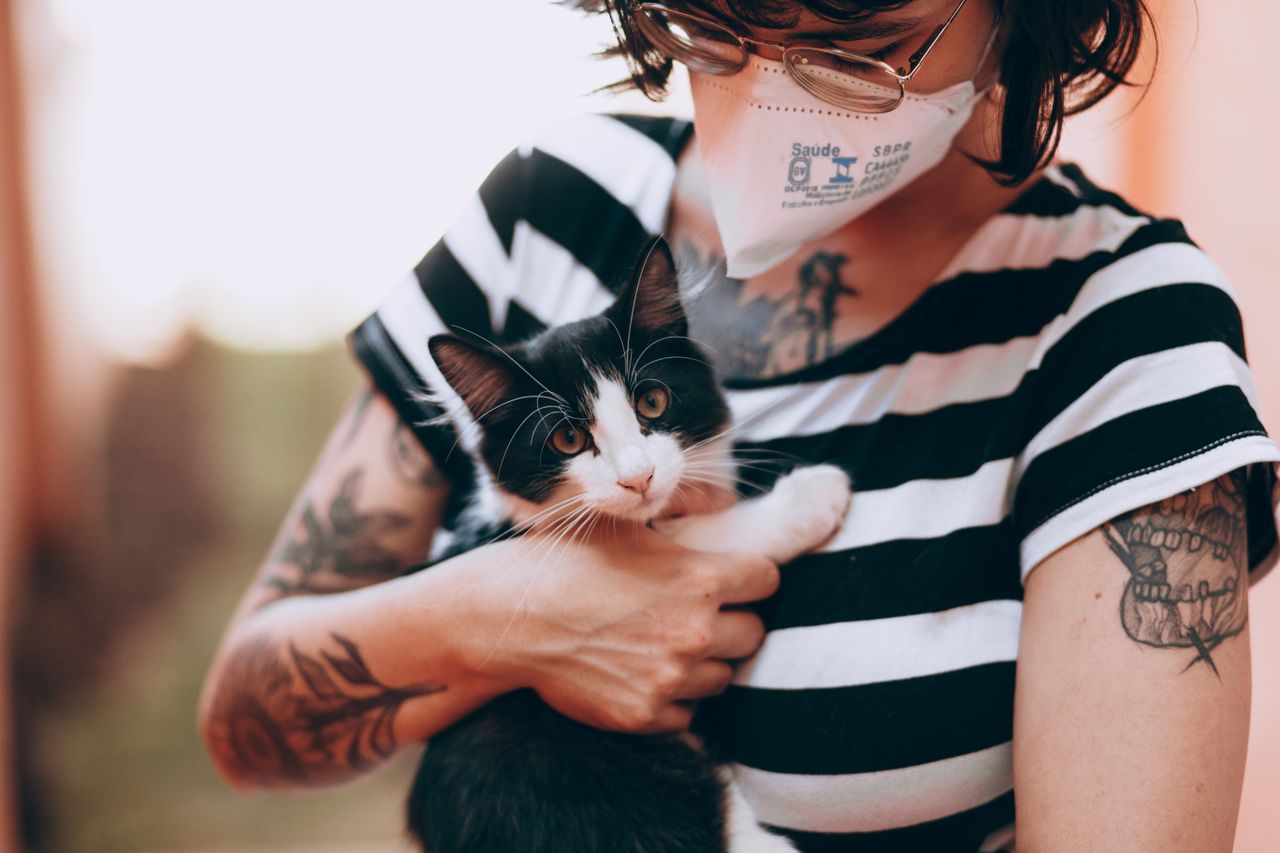
Conclusion
Individuals have an important role in supporting animal protection. Through responsible pet care, ethical choices, wildlife conservation, education, and community involvement, people can help create a safer environment for animals.
Protecting animals is not only about helping other species—it is about building a more compassionate and balanced world. Every thoughtful action brings us closer to a future where animals are valued and respected.
Frequently Asked Questions
Yes. Children can learn kindness toward animals, care for pets responsibly, and participate in age-appropriate conservation activities.


Was This Article Helpful?
Click on a star to rate it!
Thank you for your vote!

Average Rating: 0/5 Votes: 0
Be the first to rate this post!

Proficient background in project planning, execution, and continuous improvement. Experienced in analyzing ideas and forecasting project success, defining requirements and timelines, and managing communication across cross-functional teams. Skilled in creating and maintaining project documentation, automating processes, and making data-driven decisions in critical situations.
View LinkedIn ProfileLatest Posts

Gaming Gadgets for Enthusiasts

Disruptive Technologies Reshaping Markets

The Rise of Software-Defined Cars