The Future of Air Mobility
For more than a century, aviation has transformed how people and goods move around the world. Today, a new era of transportation is emerging: advanced air mobility (AAM). Powered by electric propulsion, autonomous technology, and innovative aircraft designs, the future of air mobility aims to make air transportation faster, cleaner, and more accessible.
From electric vertical takeoff and landing vehicles (eVTOLs) to autonomous delivery drones, new technologies are changing the way we think about travel in the skies.
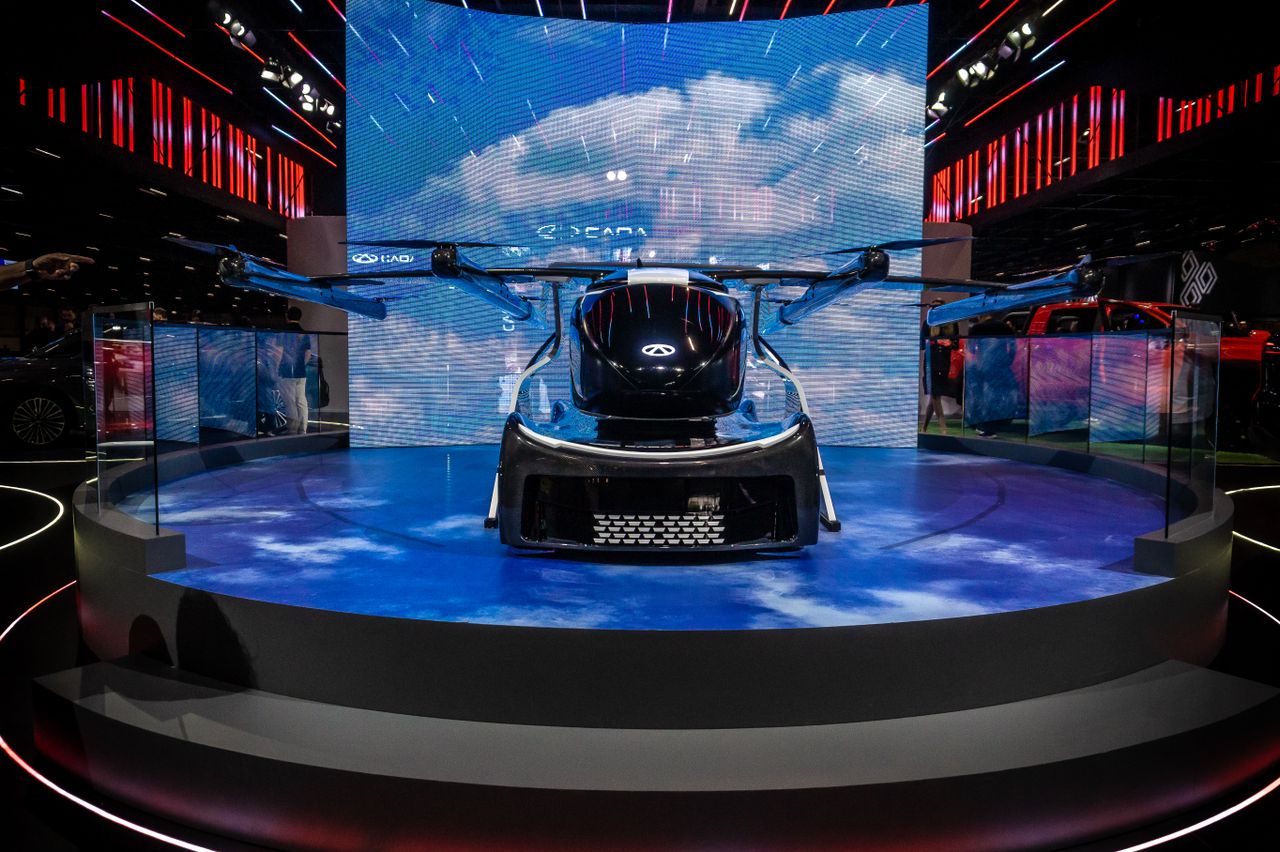
What Is Air Mobility?
Air mobility refers to the movement of people and goods through the air using various types of aircraft and transportation systems.
Traditional air mobility includes:
- Commercial airplanes
- Helicopters
- Cargo aircraft
Future air mobility expands this concept with:
- Electric air taxis
- Autonomous aircraft
- Drone delivery networks
- Urban air transportation systems
The goal is to create faster and more efficient ways to connect cities, communities, and businesses.
Why the Future of Air Mobility Matters
Modern cities face growing transportation challenges:
- Increasing traffic congestion
- Longer commute times
- Limited road infrastructure
- Rising demand for faster deliveries
Air mobility could provide new solutions by creating additional transportation routes above existing infrastructure.
Table: Technologies Transforming Air Mobility
|
Technology |
Application |
Potential Benefit |
|
eVTOL Aircraft |
Urban air taxis |
Faster city transportation |
|
Autonomous Systems |
Pilot-free operations |
Improved efficiency and accessibility |
|
Electric Propulsion |
Cleaner aircraft operation |
Reduced emissions |
|
Drone Networks |
Package and medical delivery |
Faster logistics |
|
Advanced Air Traffic Management |
Flight coordination |
Safer air transportation |
Electric Vertical Takeoff and Landing Aircraft
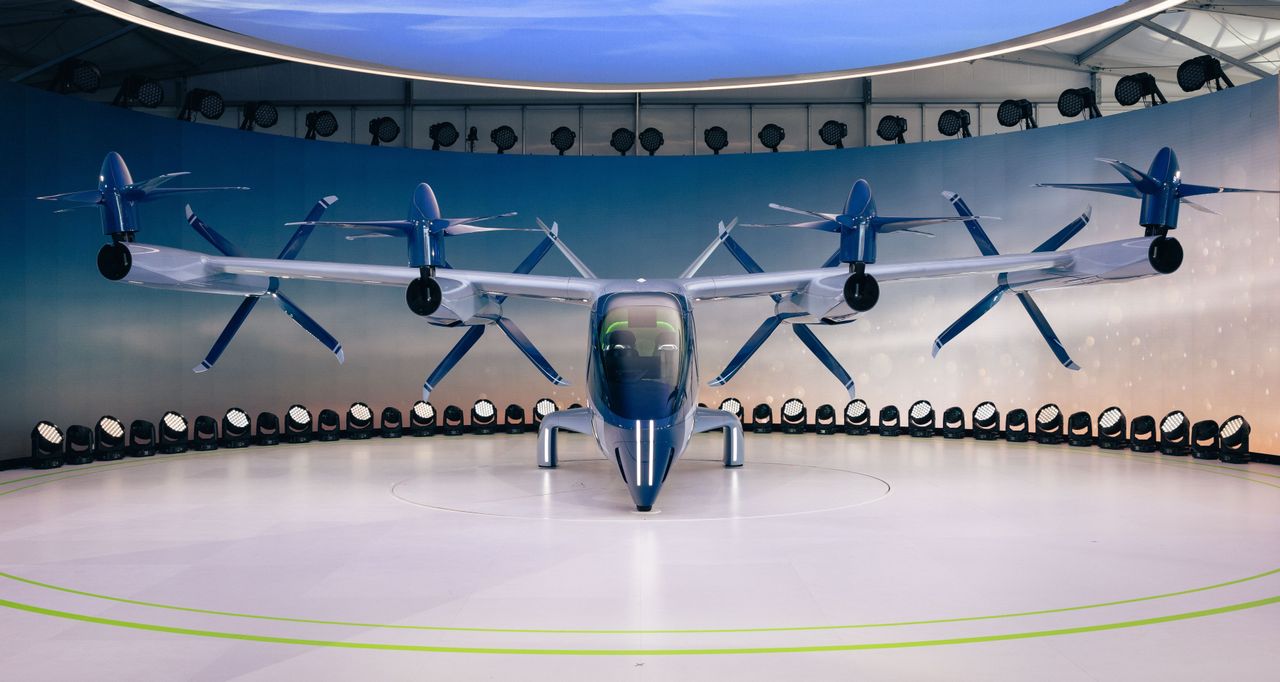
One of the most promising developments in air mobility is the rise of eVTOL aircraft.
Unlike traditional airplanes, eVTOL vehicles can:
- Take off and land vertically
- Operate in urban environments
- Use electric power systems
- Reduce noise compared with helicopters
These aircraft are being developed for applications such as:
- Urban air taxis
- Airport transportation
- Emergency services
- Regional travel
The vision is to create a new layer of transportation within and between cities.
Urban Air Taxis
Traffic congestion has encouraged companies to explore air taxi services.
Future air taxis could allow passengers to:
- Travel across cities faster
- Avoid road congestion
- Reach difficult-to-access locations
- Connect with airports and transportation hubs
Instead of replacing traditional transportation, air taxis are expected to become another option within a larger mobility network.
Autonomous Flight Technology
Artificial intelligence is playing an important role in the development of autonomous aircraft.
AI systems can help with:
- Navigation
- Obstacle detection
- Flight planning
- Safety monitoring
- Route optimization
Autonomous technology could make air transportation more efficient and potentially reduce human errors.
However, safety standards, regulations, and public acceptance remain key challenges before fully autonomous passenger flights become common.
Drone Delivery and Logistics
Drones are already changing how companies transport goods.
Potential applications include:
- Medical supply delivery
- Emergency response
- Package transportation
- Remote area access
Drone delivery can help businesses reduce delivery times and reach locations where traditional transportation is difficult.
Sustainable Aviation Solutions
Environmental concerns are driving innovation in aviation.
Future air mobility focuses on:
- Electric propulsion
- Renewable energy integration
- More efficient aircraft designs
- Reduced fuel consumption
Electric aircraft could help decrease emissions, especially for short-distance flights where traditional aircraft are less efficient.
Smart Air Traffic Management
As more aircraft enter the skies, advanced management systems will become essential.
Future air traffic systems may use:
- Artificial intelligence
- Real-time data analysis
- Automated coordination
- Digital communication networks
These technologies will help manage crowded airspaces and improve flight safety.
The Impact on Cities and Businesses
Air mobility could influence many areas of modern life.
Possible benefits include:
- Faster emergency response
- Improved regional connections
- New logistics opportunities
- Reduced pressure on road systems
- More flexible transportation options
Businesses may also benefit from faster deliveries, improved access to locations, and new transportation services.
The Future of Air Mobility
In the coming decades, air mobility may become an important part of transportation networks worldwide.
Future developments may include:
- Commercial air taxi services
- Autonomous passenger aircraft
- Integrated city transportation systems
- More efficient electric aircraft
- Global drone delivery networks
The transition will likely happen gradually, beginning with specialized services before expanding into everyday transportation.
Conclusion
The future of air mobility represents a major shift in how people and goods move. Through electric aircraft, autonomous technology, and advanced transportation systems, the aviation industry is moving toward a more flexible and sustainable future.
The takeaway: air mobility is no longer limited to large airports and commercial airlines. As technology advances, the skies may become a new space for everyday transportation, connecting people and places in faster and more innovative ways.
Frequently Asked Questions
Autonomous flight technology is still developing, and strict testing and safety regulations will be required before large-scale use.


Was This Article Helpful?
Click on a star to rate it!
Thank you for your vote!

Average Rating: 0/5 Votes: 0
Be the first to rate this post!

Expert in backend development and database architecture. Specializes in building, optimizing, and maintaining scalable PHP applications, designing efficient database structures, and ensuring data integrity and performance. Experienced in working with relational databases, writing optimized queries, and integrating backend systems with APIs and business logic to support reliable, high-performance web solutions.
View LinkedIn ProfileLatest Posts

Conflict Resolution in Relationships

How to Develop a Growth Mindset

How Diet Affects Energy Levels