Discoveries in Genetics and Biotechnology: Transforming the Future of Science
Over the past few decades, genetics and biotechnology have moved from being complex scientific fields studied mainly in laboratories to powerful tools that influence medicine, agriculture, and everyday life. Researchers are discovering new ways to understand DNA, treat diseases, and create innovative solutions for global challenges.
From gene editing to personalized medicine, discoveries in genetics and biotechnology are changing how we understand life itself. But what are the most important breakthroughs, and how could they shape the future?
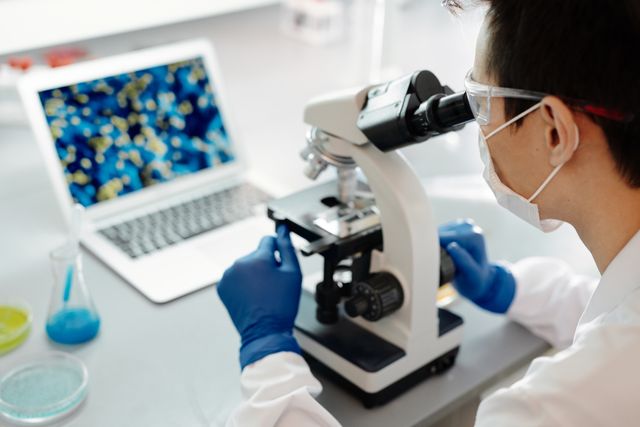
Understanding the Basics of Genetics and Biotechnology
Genetics is the study of genes, DNA, and how traits are passed from one generation to another. Genes act like biological instructions that help determine how living organisms develop and function.
Biotechnology uses biological systems, organisms, or genetic information to create useful products and technologies.
Together, these fields help scientists:
- Understand human health conditions
- Develop new treatments
- Improve food production
- Create sustainable solutions
- Study and protect ecosystems
Modern biotechnology is like having a detailed instruction manual for life—and scientists are learning how to read and use it.
The Discovery of DNA’s Role in Life
One of the most important breakthroughs in genetics was discovering that DNA carries genetic information. This discovery transformed biology by showing how organisms inherit characteristics and how cells function.
Understanding DNA allowed researchers to explore:
- How genes influence health
- Why certain diseases develop
- How organisms evolve
- How genetic information can be modified
Today, DNA analysis is used in medicine, research, forensic science, and ancestry testing.
The Rise of Gene Editing Technologies
Gene editing is one of the most exciting developments in biotechnology. Scientists can now make precise changes to DNA, allowing them to study genes and potentially correct certain genetic problems.
One of the most widely discussed technologies is CRISPR, which works like a molecular editing tool that allows researchers to modify specific genetic sequences.
Potential applications of gene editing include:
- Treating inherited disorders
- Developing new therapies
- Improving agricultural crops
- Studying disease mechanisms
While gene editing offers incredible possibilities, it also raises important ethical questions about how and when these technologies should be used.
Personalized Medicine and Genetic Testing
Traditional medicine often uses a general approach, where patients receive similar treatments based on their condition. Advances in genetics are helping create a more personalized approach.
Personalized medicine uses genetic information to help doctors choose treatments that may work best for specific individuals.
Benefits include:
- More accurate diagnoses
- Better treatment decisions
- Reduced risk of side effects
- Earlier disease detection
|
Biotechnology Innovation |
How It Works |
Potential Impact |
|
Genetic Testing |
Analyzes DNA variations |
Helps identify health risks |
|
Gene Editing |
Changes specific DNA sequences |
May treat genetic conditions |
|
mRNA Technology |
Uses genetic instructions to produce proteins |
Supports new medical therapies |
|
Bioengineering |
Uses biological systems to create products |
Improves healthcare and industry |
|
Agricultural Biotechnology |
Modifies crops for useful traits |
Supports food production |
Biotechnology in Agriculture
Genetic discoveries are also changing how food is produced. Agricultural biotechnology helps scientists develop crops with improved characteristics.
Examples include crops that are:
- More resistant to pests
- Better adapted to climate conditions
- More nutritious
- More efficient to grow
As the global population increases, biotechnology may help create more sustainable ways to produce food while reducing environmental impact.
Advances in Biotechnology-Based Treatments
Biotechnology has contributed to major medical advances, including new vaccines, therapies, and diagnostic tools.
Some important developments include:
- mRNA-based medical technologies
- Cell-based therapies
- Protein engineering
- Advanced genetic testing
These innovations are helping researchers approach diseases that were previously difficult or impossible to treat.
Ethical Questions and Challenges
Although genetics and biotechnology provide enormous opportunities, they also create complex challenges.
Important discussions include:
- Who should have access to genetic technologies?
- How should genetic information be protected?
- What limits should exist for modifying living organisms?
- How can scientists prevent misuse?
Responsible innovation requires balancing scientific progress with careful consideration of social and ethical impacts.
The Future of Genetics and Biotechnology
The future of biotechnology is likely to bring even more personalized healthcare, advanced treatments, and sustainable technologies.
Researchers are exploring possibilities such as:
- More precise gene therapies
- Artificially designed biological systems
- Improved disease prevention
- New environmental solutions
- Faster genetic analysis
As technology improves, genetics may become an even more important part of everyday healthcare and scientific discovery.
Conclusion
Discoveries in genetics and biotechnology are reshaping the way we understand life and solve complex problems. From DNA research and gene editing to personalized medicine and sustainable agriculture, these fields are creating opportunities that once seemed impossible.
However, scientific progress must be guided by responsibility and ethical decision-making. By combining innovation with careful consideration, genetics and biotechnology can continue improving health, food systems, and the future of our planet.
Frequently Asked Questions
Genetics may lead to more personalized healthcare, improved disease prevention, better agricultural solutions, and new scientific discoveries.


Was This Article Helpful?
Click on a star to rate it!
Thank you for your vote!

Average Rating: 0/5 Votes: 0
Be the first to rate this post!

Expert in backend development and database architecture. Specializes in building, optimizing, and maintaining scalable PHP applications, designing efficient database structures, and ensuring data integrity and performance. Experienced in working with relational databases, writing optimized queries, and integrating backend systems with APIs and business logic to support reliable, high-performance web solutions.
View LinkedIn ProfileLatest Posts

Gaming Gadgets for Enthusiasts

Disruptive Technologies Reshaping Markets

The Rise of Software-Defined Cars