Health Monitoring Gadgets Explained: How Technology Is Changing Personal Wellness
Technology has changed the way we take care of ourselves. In the past, people usually visited a doctor only when something felt wrong. Today, smart devices can help us track important health information every day and encourage better lifestyle choices.
Health monitoring gadgets have become popular tools for people who want to understand their bodies, improve fitness, and take a more proactive approach to wellness. From smartwatches to wearable sensors, these devices are making health information more accessible than ever.
But how do these gadgets work, and what role do they play in modern healthcare?
What Are Health Monitoring Gadgets?
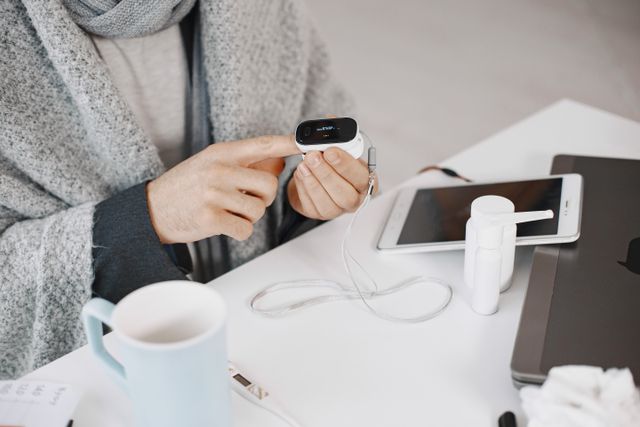
Health monitoring gadgets are electronic devices designed to collect and analyze information about a person's health, fitness, and daily habits.
These devices often use sensors, artificial intelligence, and mobile applications to provide insights about the body.
Common examples include:
- Smartwatches
- Fitness trackers
- Smart rings
- Blood pressure monitors
- Sleep trackers
- Glucose monitoring devices
- Heart rate sensors
Think of these gadgets as personal assistants that help you understand patterns in your health and make more informed decisions.
How Health Monitoring Technology Works
Most health monitoring gadgets rely on small sensors that collect biological and activity-related data.
Depending on the device, they may measure:
- Heart rate
- Physical activity
- Sleep patterns
- Body temperature
- Blood oxygen levels
- Blood pressure
- Exercise performance
The collected information is usually processed through software or smartphone applications, allowing users to view trends and receive recommendations.
Popular Types of Health Monitoring Gadgets
Different devices focus on different aspects of health and wellness.
|
Gadget Type |
What It Measures |
Common Use |
|
Smartwatch |
Heart rate, activity, sleep, notifications |
Everyday health tracking |
|
Fitness Tracker |
Steps, calories, workouts |
Fitness improvement |
|
Smart Ring |
Sleep, activity, recovery data |
Lifestyle monitoring |
|
Glucose Monitor |
Blood sugar levels |
Managing glucose information |
|
Blood Pressure Monitor |
Blood pressure readings |
Tracking cardiovascular health |
Choosing the right device depends on your personal goals and the information you want to monitor.
Benefits of Health Monitoring Gadgets
Encouraging Healthier Habits
One of the biggest advantages of health gadgets is awareness. When people can see their daily activity levels, sleep patterns, or exercise progress, they often become more motivated to improve their habits.
For example, a person who notices they are sleeping poorly may decide to adjust their bedtime routine.
Early Detection of Potential Issues
Some devices can identify unusual patterns that may encourage users to seek professional medical advice.
Examples include:
- Irregular heart rate patterns
- Changes in activity levels
- Unusual sleep disruptions
These devices do not replace medical professionals, but they can provide useful information to discuss with healthcare providers.
Personalized Health Insights
Modern gadgets use data analysis to provide personalized recommendations.
Instead of general advice, users can receive insights based on their own habits and patterns, making health goals feel more achievable.
The Role of Artificial Intelligence
Artificial intelligence is making health monitoring gadgets smarter. AI can analyze large amounts of health data and identify patterns that may not be obvious to users.
AI-powered features can help with:
- Personalized fitness suggestions
- Activity recommendations
- Sleep analysis
- Health trend detection
- Predictive insights
As technology improves, these devices may become even better at supporting preventive healthcare.
Health Monitoring in Preventive Care
One of the biggest changes caused by health technology is the shift from reactive care to preventive care.
Traditional healthcare often focuses on treating problems after they appear. Health monitoring gadgets encourage people to pay attention to their habits before issues become more serious.
By tracking everyday information, people can better understand how lifestyle choices affect their well-being.
Challenges and Limitations
Despite their benefits, health monitoring gadgets also have limitations.
Important considerations include:
- Data accuracy may vary between devices
- Personal health information requires protection
- Devices can sometimes create unnecessary worry
- Not all measurements replace professional medical tests
Users should treat gadget data as helpful information rather than a complete medical assessment.
The Future of Health Monitoring Technology
The future of health monitoring is likely to bring even more advanced tools. Researchers are developing technologies that can provide deeper health insights while becoming smaller and easier to use.
Future innovations may include:
- More accurate wearable sensors
- Continuous health monitoring
- AI-assisted healthcare decisions
- Smart clothing with embedded sensors
- Better integration with medical systems
As technology continues to evolve, health monitoring gadgets may become an even more important part of personal wellness and healthcare.
Conclusion
Health monitoring gadgets are changing the way people understand and manage their well-being. By tracking important health information, encouraging better habits, and providing personalized insights, these devices help users take a more active role in their health.
However, technology works best when combined with professional medical guidance and healthy lifestyle choices. These gadgets are not replacements for doctors—they are tools that help people become more informed and engaged with their own wellness journey.
Frequently Asked Questions
Generally, these devices are safe for everyday use, but users should consider privacy settings and choose reliable products that protect personal data.


Was This Article Helpful?
Click on a star to rate it!
Thank you for your vote!

Average Rating: 0/5 Votes: 0
Be the first to rate this post!

Tech entrepreneur & digital strategist with over 9 years of experience in backend development and more than 5 years in executive leadership. Education Software and Web developer. More than 20 years of experience in software and web development.
View LinkedIn ProfileLatest Posts

How Individuals Can Support Animal Protection: Simple Actions That Create Change

The Role of Consumers in Sustainability: How Everyday Choices Can Create Change

Human Rights Challenges in Conflict Zones: Protecting People During Crisis