Virtual and Augmented Reality Applications: How Immersive Technology Is Changing the World
Technology is constantly changing the way people work, learn, communicate, and experience entertainment. Among the most exciting innovations are virtual reality (VR) and augmented reality (AR)—technologies that blend digital experiences with the real world.
Once considered futuristic concepts from science fiction, VR and AR are now being used in industries ranging from healthcare and education to retail and business. These immersive technologies are creating new ways to interact with information and changing how people experience digital content.
But how do virtual and augmented reality work, and where are they making the biggest impact?
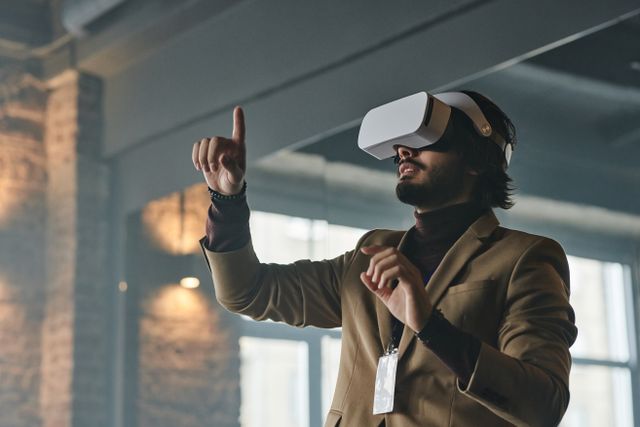
What Are Virtual Reality and Augmented Reality?
Virtual reality and augmented reality both create immersive digital experiences, but they work in different ways.
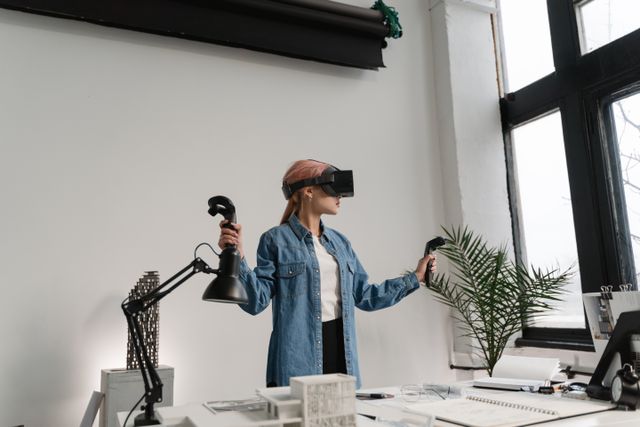
Virtual reality (VR) creates a completely digital environment that replaces the real world. Users typically wear a VR headset that allows them to explore and interact with a simulated space.
Augmented reality (AR) adds digital elements to the real world. Instead of replacing your surroundings, AR enhances them by displaying virtual information through devices like smartphones, tablets, or smart glasses.
A simple way to understand the difference:
- VR takes you somewhere completely new.
- AR adds digital information to where you already are.
How VR and AR Technology Works
Both technologies rely on advanced hardware and software to create interactive experiences.
Key components include:
- Sensors that track movement
- Cameras that understand surroundings
- Motion controllers
- Computer graphics
- Artificial intelligence
- Real-time data processing
These technologies work together to create experiences that feel more natural and responsive.
Virtual and Augmented Reality in Education
Education is one of the areas where immersive technology has enormous potential. Traditional learning methods often rely on textbooks and lectures, but VR and AR can make lessons more interactive.
Applications include:
- Virtual science experiments
- Historical simulations
- Medical training
- Interactive geography lessons
- 3D learning models
|
Industry |
VR/AR Application |
Benefit |
|
Education |
Virtual classrooms and simulations |
More engaging learning experiences |
|
Healthcare |
Medical training and patient support |
Improved preparation and care |
|
Retail |
Virtual product previews |
Better shopping decisions |
|
Manufacturing |
Digital design and training |
Increased efficiency |
|
Entertainment |
Immersive games and experiences |
New forms of interaction |
Instead of only reading about a topic, students can explore it in a more visual and practical way.
Healthcare Applications
Healthcare is one of the most promising fields for VR and AR adoption.
Medical professionals use these technologies for:
- Surgical training
- Patient rehabilitation
- Pain management
- Mental health treatments
- Medical visualization
For example, VR simulations allow doctors and students to practice complex procedures in a safe digital environment before working with real patients.
AR can also help healthcare workers by displaying important information during procedures, improving accuracy and efficiency.
Retail and Shopping Experiences
VR and AR are changing the way consumers shop. Online shopping has always had one limitation: customers cannot physically see or test products before buying.
AR helps solve this problem by allowing customers to visualize products in their own environment.
Examples include:
- Trying on virtual clothing
- Seeing how furniture looks in a room
- Testing makeup styles digitally
- Exploring vehicles before visiting a showroom
These experiences can increase customer confidence and create more personalized shopping journeys.
Business and Workplace Uses
Companies are using immersive technology to improve training, collaboration, and productivity.
Common business applications include:
- Virtual meetings
- Employee training simulations
- Product design reviews
- Remote collaboration
- Safety training
For industries where mistakes can be expensive or dangerous, virtual simulations provide a safer way to practice skills.
Entertainment and Gaming
Entertainment remains one of the most popular applications of VR and AR.
These technologies allow users to:
- Enter virtual game worlds
- Experience interactive storytelling
- Attend virtual events
- Explore digital environments
Gaming companies continue to develop more realistic and immersive experiences as hardware becomes more advanced.
Challenges of VR and AR Adoption
Despite their potential, immersive technologies still face several challenges.
Common limitations include:
- High equipment costs
- Need for powerful hardware
- User comfort issues
- Privacy concerns
- Limited availability of content
Some users experience motion discomfort during VR experiences, while businesses may face challenges when integrating new technologies into existing systems.
The Future of Immersive Technology
The future of VR and AR is expected to bring even more advanced and accessible experiences.
Future developments may include:
- Lighter and more comfortable devices
- Improved artificial intelligence integration
- More realistic virtual environments
- Better workplace collaboration tools
- Wider adoption across industries
As technology improves, immersive experiences may become a normal part of everyday life.
Conclusion
Virtual and augmented reality applications are transforming the way people interact with digital information. From improving education and healthcare to changing shopping and entertainment, these technologies are creating new possibilities across many industries.
Although challenges remain, the potential of VR and AR continues to grow. As devices become more affordable and powerful, immersive technology may become one of the most important tools shaping the future of digital experiences.
Frequently Asked Questions
Yes. As technology becomes more affordable and accessible, VR and AR are expected to expand into more areas of daily life and business.


Was This Article Helpful?
Click on a star to rate it!
Thank you for your vote!

Average Rating: 0/5 Votes: 0
Be the first to rate this post!

Tech entrepreneur & digital strategist with over 9 years of experience in backend development and more than 5 years in executive leadership. Education Software and Web developer. More than 20 years of experience in software and web development.
View LinkedIn ProfileLatest Posts

How Individuals Can Support Animal Protection: Simple Actions That Create Change

The Role of Consumers in Sustainability: How Everyday Choices Can Create Change

Human Rights Challenges in Conflict Zones: Protecting People During Crisis