Connected Vehicles and Smart Infrastructure: Building the Future of Transportation
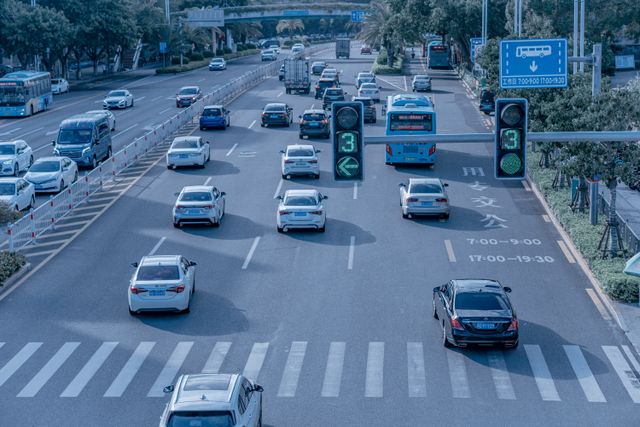
Transportation is undergoing a major transformation. Cars are becoming more than just machines that move people from one place to another—they are becoming intelligent devices connected to digital networks. At the same time, cities are developing smarter infrastructure that communicates with vehicles to improve safety, efficiency, and mobility.
The combination of connected vehicles and smart infrastructure is creating a new era of transportation where roads, vehicles, and technology work together. But how does this system work, and what does it mean for the future of travel?
What Are Connected Vehicles?
Connected vehicles are cars, trucks, and other transportation systems equipped with technology that allows them to exchange information with other devices, vehicles, and infrastructure.
These vehicles use technologies such as:
- Internet of Things (IoT) sensors
- Wireless communication
- GPS systems
- Artificial intelligence
- Cloud platforms
- Vehicle-to-everything (V2X) communication
Instead of operating independently, connected vehicles can share information about traffic conditions, road hazards, weather, and nearby vehicles.
Imagine a vehicle that can warn you about an accident ahead before you even see it. That is the power of connectivity.
What Is Smart Infrastructure?
Smart infrastructure refers to digitally connected systems that collect data, analyze information, and improve how cities operate.
In transportation, smart infrastructure includes:
- Intelligent traffic lights
- Smart roads
- Connected parking systems
- Digital road signs
- Traffic monitoring sensors
- Charging stations for electric vehicles
These systems help cities manage transportation more effectively by responding to real-time conditions.
How Vehicles and Infrastructure Communicate
The key technology behind connected transportation is communication between vehicles and their surroundings.
|
Communication Type |
How It Works |
Example Benefit |
|
Vehicle-to-Vehicle (V2V) |
Vehicles exchange information with each other |
Collision prevention |
|
Vehicle-to-Infrastructure (V2I) |
Vehicles communicate with roads and systems |
Smarter traffic management |
|
Vehicle-to-Pedestrian (V2P) |
Vehicles detect nearby pedestrians |
Improved safety |
|
Vehicle-to-Network (V2N) |
Vehicles connect through digital networks |
Real-time updates |
These communication systems create a transportation ecosystem where information moves quickly between different elements.
Improving Road Safety
One of the biggest benefits of connected vehicles is improved safety. Many accidents happen because drivers cannot react quickly enough to changing conditions.
Connected technology can help by:
- Warning drivers about dangerous situations
- Detecting vehicles in blind spots
- Monitoring road conditions
- Supporting emergency responses
- Assisting autonomous driving systems
For example, if several connected vehicles detect icy road conditions, they can share that information with nearby cars and infrastructure, allowing drivers to react earlier.
Making Traffic Flow More Efficient
Traffic congestion wastes time, fuel, and resources. Smart infrastructure helps cities manage traffic by analyzing real-time data.
Connected systems can:
- Adjust traffic light timing based on traffic volume
- Suggest alternative routes
- Identify congestion patterns
- Improve public transportation schedules
Instead of fixed systems that operate the same way every day, smart infrastructure can adapt to current conditions.
Supporting Autonomous Vehicles
Connected vehicles are a key part of the development of self-driving technology. Autonomous vehicles need accurate information about their environment to make safe decisions.
Smart infrastructure can provide additional data about:
- Road conditions
- Traffic signals
- Construction zones
- Pedestrian activity
- Weather changes
By combining vehicle sensors with external information, autonomous systems can operate more effectively.
Benefits for Cities and Communities
Connected transportation offers advantages beyond individual drivers.
Smart mobility solutions can help cities:
- Reduce traffic congestion
- Lower emissions
- Improve public transportation
- Increase road safety
- Optimize energy use
|
Area |
Traditional Transportation |
Connected Transportation |
|
Traffic Management |
Fixed schedules and signals |
Real-time adjustments |
|
Safety |
Driver-dependent reactions |
Automated warnings and assistance |
|
Navigation |
Basic route planning |
Predictive and adaptive routing |
|
Maintenance |
Reactive repairs |
Data-based prevention |
|
Energy Use |
Less optimized |
More efficient systems |
Challenges of Connected Transportation
Although connected vehicles and smart infrastructure offer many benefits, several challenges remain.
Important concerns include:
- Cybersecurity risks
- Data privacy issues
- High infrastructure costs
- Technology compatibility
- Need for reliable communication networks
Protecting connected systems from cyber threats is especially important because transportation networks are critical parts of modern society.
The Future of Smart Mobility
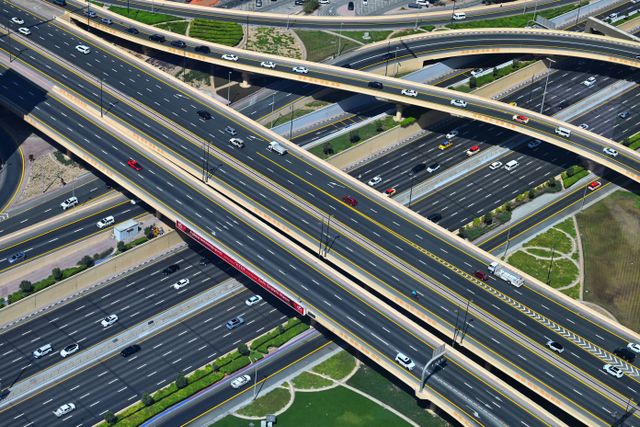
The future of transportation will likely involve deeper integration between vehicles, cities, and digital technologies.
Future developments may include:
- Fully connected smart cities
- More advanced autonomous vehicles
- AI-powered traffic systems
- Expanded electric vehicle infrastructure
- Personalized transportation services
As technology continues to improve, transportation will become safer, cleaner, and more efficient.
Conclusion
Connected vehicles and smart infrastructure are changing the way people and cities move. By allowing vehicles, roads, and digital systems to communicate, transportation networks can become more intelligent and responsive.
While challenges such as security and infrastructure costs remain, the potential benefits are enormous. The future of mobility is not just about faster vehicles—it is about creating a connected transportation system that works smarter for everyone.
Frequently Asked Questions
Major challenges include cybersecurity, privacy protection, infrastructure investment, and ensuring different technologies can work together.


Was This Article Helpful?
Click on a star to rate it!
Thank you for your vote!

Average Rating: 0/5 Votes: 0
Be the first to rate this post!

Proficient background in project planning, execution, and continuous improvement. Experienced in analyzing ideas and forecasting project success, defining requirements and timelines, and managing communication across cross-functional teams. Skilled in creating and maintaining project documentation, automating processes, and making data-driven decisions in critical situations.
View LinkedIn ProfileLatest Posts

How Individuals Can Support Animal Protection: Simple Actions That Create Change

The Role of Consumers in Sustainability: How Everyday Choices Can Create Change

Human Rights Challenges in Conflict Zones: Protecting People During Crisis