Dressing for Your Body Type: Tips to Highlight Your Best Features
Finding clothes that flatter your body shape can boost confidence and make you feel your best. While fashion trends come and go, understanding how to dress for your body type ensures that your style remains timeless. Whether you have an hourglass, pear, apple, rectangle, or inverted triangle shape, the right clothing choices can highlight your best features and create a balanced silhouette.
Identifying Your Body Shape
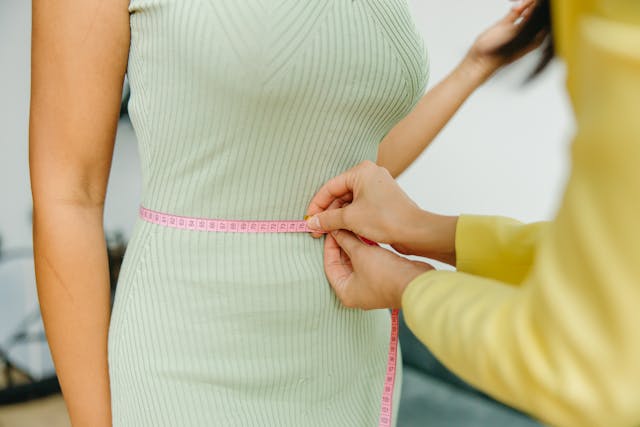
Before selecting clothing, it's important to determine your body shape. Here are the five main body types and their defining characteristics:
-
Hourglass: Balanced bust and hips with a well-defined waist.
-
Pear: Narrower shoulders and bust with wider hips and thighs.
-
Apple: Broader shoulders and midsection with slimmer legs.
-
Rectangle: Shoulders, waist, and hips are similar in width, creating a straight silhouette.
-
Inverted Triangle: Broad shoulders with a narrower waist and hips.
Style Tips for Each Body Type
1. Hourglass Shape
Your balanced proportions mean you can emphasize your curves with fitted styles.
Best styles: Wrap dresses, belted tops, high-waisted pants, fitted blazers.
Avoid: Boxy or shapeless clothing that hides your waist.
2. Pear Shape
Balance your silhouette by drawing attention upward while flattering your lower body.
Best styles: A-line skirts, off-the-shoulder tops, structured jackets, wide-leg pants.
Avoid: Tight-fitting bottoms that emphasize the hips without balance.
3. Apple Shape
Create definition around your waist and highlight your legs.
Best styles: Empire waist dresses, V-neck tops, flowy tunics, straight-leg pants.
Avoid: Clingy fabrics around the midsection or bulky layers that add volume.
4. Rectangle Shape
Add curves by defining your waist and creating dimension.
Best styles: Peplum tops, belted jackets, ruched dresses, flared skirts.
Avoid: Boxy cuts that make your figure look straight.
5. Inverted Triangle Shape
Soften broad shoulders and emphasize the lower body for balance.
Best styles: V-neck tops, A-line skirts, bootcut jeans, wide-leg pants.
Avoid: Shoulder pads or oversized tops that make the upper body appear larger.
Additional Styling Tips
-
Know your proportions: Lengthen legs with high-waisted pants, or add height with vertical stripes.
-
Choose flattering fabrics: Structured fabrics enhance shape, while flowy materials add softness.
-
Accessorize wisely: Belts define the waist, statement earrings draw attention upward, and shoes can elongate the legs.
Conclusion
The key to dressing well isn’t about changing your body—it’s about embracing your natural shape and choosing styles that highlight your best features. With the right clothing choices, you can feel confident and stylish every day.


Was This Article Helpful?
Click on a star to rate it!
Thank you for your vote!

Average Rating: 4.3/5 Votes: 6
Be the first to rate this post!

Latest Posts

Conflict Resolution in Relationships

How to Develop a Growth Mindset
How Diet Affects Energy Levels