Cultural Experiences That Make Travel Meaningful: Discovering the World Beyond Sightseeing
Travel is often associated with visiting famous landmarks, taking photos, and exploring new destinations. While these experiences can be exciting, the moments that stay with us the longest are often the ones where we connect with local people, traditions, and ways of life.
Cultural experiences make travel more meaningful because they allow us to understand places beyond their appearance. Instead of simply observing a destination, travelers become part of its story.
But what types of experiences create the strongest connections, and why do they make travel so memorable?
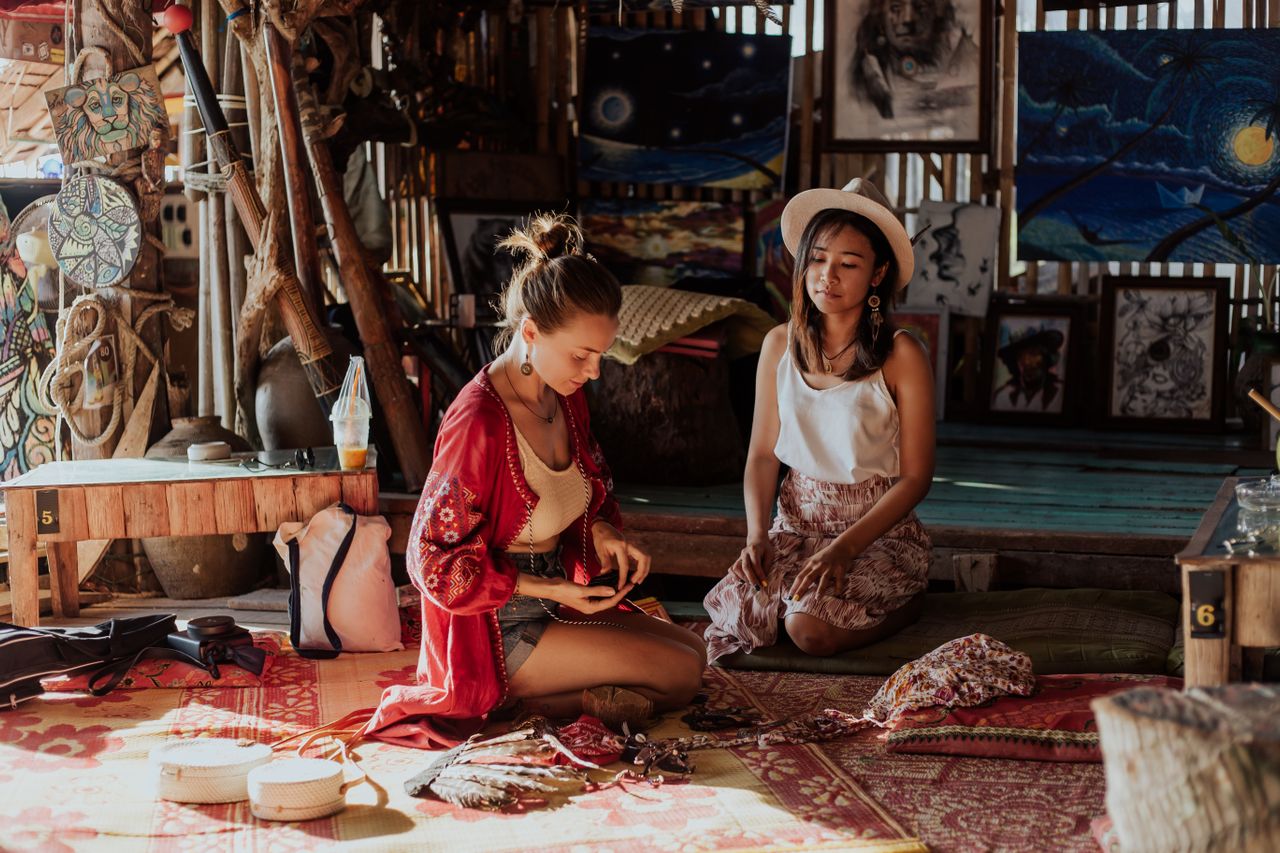
Why Cultural Experiences Matter While Traveling
A destination is more than its landscapes and attractions. Every place has its own history, traditions, values, and daily routines that shape its identity.
Cultural experiences help travelers:
- Understand different perspectives
- Learn about local traditions
- Build connections with communities
- Create deeper memories
- Appreciate cultural diversity
A beautiful view may impress you for a moment, but a conversation with a local person or participation in a traditional activity can stay with you for years.
Connecting With Local Communities
One of the most meaningful parts of travel is meeting people who call a destination home.
Local interactions can include:
- Talking with residents
- Visiting family-owned businesses
- Joining community events
- Learning traditional skills
- Sharing meals together
These experiences reveal the everyday side of a place that guidebooks often cannot show.
A city’s true character is often found not only in its famous streets but also in the stories of the people who live there.
Exploring Traditional Food and Cooking
Food is one of the strongest connections between culture and travel. Local dishes often reflect a region’s history, environment, and traditions.
Culinary experiences may include:
- Cooking classes
- Food markets
- Family meals
- Traditional restaurants
- Local festivals
|
Cultural Experience |
What Travelers Discover |
Why It Matters |
|
Local Cuisine |
Regional flavors and traditions |
Connects people through food |
|
Traditional Festivals |
Community celebrations and history |
Shows cultural identity |
|
Artisan Workshops |
Local crafts and skills |
Preserves traditions |
|
Historical Sites |
Stories of the past |
Builds deeper understanding |
|
Homestays |
Daily life of residents |
Creates personal connections |
Sharing food often creates a sense of connection, even when people come from completely different backgrounds.
Participating in Festivals and Celebrations
Festivals offer a unique opportunity to experience culture in its most energetic form.
They often include:
- Music
- Dance
- Traditional clothing
- Religious or historical customs
- Community gatherings
Unlike simply visiting a landmark, attending a festival allows travelers to experience the emotions and traditions that bring communities together.
These celebrations show how people preserve their history while creating new memories.
Learning Traditional Arts and Crafts
Handmade crafts often represent generations of knowledge and creativity. Participating in workshops allows travelers to understand the skill and meaning behind traditional art forms.
Examples include:
- Pottery making
- Textile weaving
- Painting
- Wood carving
- Jewelry creation
These experiences provide a deeper appreciation for local culture and often support small communities.
Staying With Local Families
Homestays offer one of the most personal ways to experience a destination. Instead of staying only in hotels, travelers can see how local families live, eat, and spend their daily lives.
Benefits of homestays include:
- Authentic cultural exchange
- Personal connections
- Local recommendations
- Understanding everyday traditions
Sometimes the simplest moments—such as sharing breakfast or learning a local phrase—become the highlights of a trip.
Exploring History Through Stories
Historical places become more meaningful when travelers understand the stories behind them.
Cultural travel includes learning about:
- Local history
- Important events
- Traditional beliefs
- Community struggles
- Cultural achievements
A building is not just a structure. It represents the people, events, and ideas that shaped a place.
Traveling Responsibly and Respectfully
Meaningful cultural travel requires respect. Visitors should approach new cultures with curiosity rather than judgment.
Responsible travelers:
- Learn basic local customs
- Respect traditions
- Support local businesses
- Avoid harmful stereotypes
- Ask permission before taking photos
Travel becomes more rewarding when it is based on understanding and mutual respect.
How Cultural Travel Changes Perspectives
One of the greatest benefits of cultural experiences is personal growth. Meeting people with different backgrounds can challenge assumptions and expand the way we see the world.
Cultural travel can help develop:
- Empathy
- Open-mindedness
- Communication skills
- Appreciation for diversity
Every culture offers a different way of understanding life, and travel gives us the chance to learn from those differences.
The Future of Meaningful Travel
As more travelers seek authentic experiences, cultural tourism continues to grow. People are moving away from simply collecting destinations and toward creating deeper connections.
Future travel trends may include:
- Community-based tourism
- Sustainable cultural experiences
- Local-led tours
- Longer immersive stays
- Digital tools for cultural learning
The future of travel is likely to focus less on seeing more places and more on truly experiencing them.
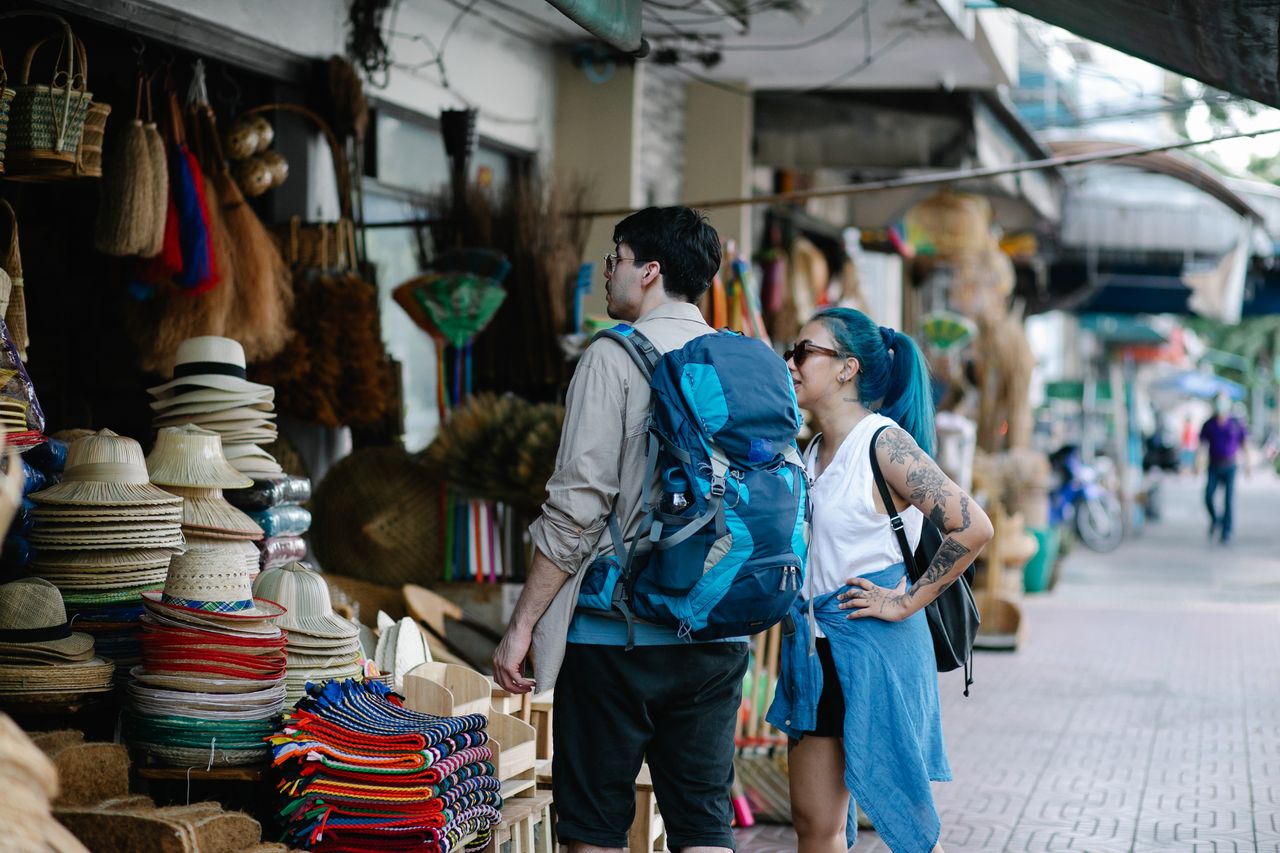
Conclusion
Cultural experiences are what transform ordinary trips into meaningful journeys. By connecting with local communities, exploring traditions, sharing food, and learning from different perspectives, travelers gain memories that go far beyond photographs.
The most valuable travel experiences are not always the biggest attractions—they are the moments when we understand another culture, connect with people, and return home with a wider view of the world.
Frequently Asked Questions
Not always. Many cultural experiences, such as local markets, community events, and walking tours, can be affordable while providing deeper connections.


Was This Article Helpful?
Click on a star to rate it!
Thank you for your vote!

Average Rating: 0/5 Votes: 0
Be the first to rate this post!

Tech entrepreneur & digital strategist with over 9 years of experience in backend development and more than 5 years in executive leadership. Education Software and Web developer. More than 20 years of experience in software and web development.
View LinkedIn ProfileLatest Posts

Gaming Gadgets for Enthusiasts

Disruptive Technologies Reshaping Markets

The Rise of Software-Defined Cars