Daily Habits That Improve Quality of Life
A better quality of life is not always created by major changes or dramatic decisions. Often, the biggest improvements come from small daily habits that support physical health, mental well-being, productivity, and personal growth.
Simple routines repeated consistently can influence how people feel, work, interact with others, and handle challenges. By building positive habits into everyday life, it becomes easier to create a healthier and more balanced lifestyle.

Why Daily Habits Matter
Daily habits shape the way people experience life. Small actions performed regularly can create long-term benefits by improving:
- Energy levels
- Emotional balance
- Physical health
- Focus and productivity
- Relationships
- Overall happiness
The key is not perfection but consistency. Even small improvements can create meaningful results over time.
Table: Daily Habits and Their Benefits
|
Daily Habit |
Main Benefit |
Long-Term Impact |
|
Regular Exercise |
Improves physical health |
Increases strength and energy |
|
Quality Sleep |
Restores the body and mind |
Supports better focus and mood |
|
Healthy Eating |
Provides essential nutrients |
Improves overall wellness |
|
Reading and Learning |
Expands knowledge |
Encourages personal growth |
|
Planning the Day |
Improves organization |
Reduces stress |
|
Practicing Gratitude |
Boosts positivity |
Improves emotional well-being |
Start the Day With a Positive Morning Routine
The way you begin your morning can influence the rest of your day.
A healthy morning routine may include:
- Drinking water
- Stretching or exercising
- Planning priorities
- Spending a few quiet moments without distractions
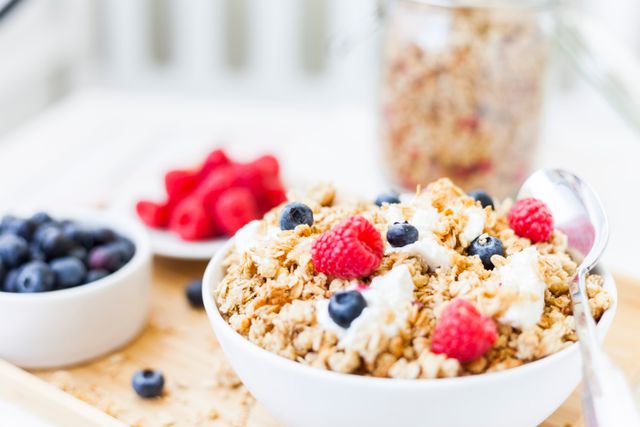
- Eating a nutritious breakfast
A consistent morning routine helps create structure and prepares the mind for daily challenges.
Prioritize Quality Sleep
Sleep is one of the most important foundations of a healthy lifestyle.
Good sleep supports:
- Better concentration
- Emotional stability
- Physical recovery
- Immune system function
To improve sleep quality, consider:
- Keeping a regular sleep schedule
- Reducing screen time before bed
- Creating a comfortable sleep environment
- Avoiding heavy meals late at night
Rest is not wasted time—it is essential for better performance and well-being.
Move Your Body Every Day
Physical activity does not always require intense workouts.
Daily movement can include:
- Walking
- Stretching
- Cycling
- Home exercises
- Outdoor activities
Regular movement helps improve:
- Heart health
- Muscle strength
- Energy levels
- Stress management
Finding an activity you enjoy makes it easier to maintain the habit.
Practice Mindful Eating
Food choices have a direct impact on energy and health.
A balanced approach to nutrition includes:
- Eating more whole foods
- Drinking enough water
- Including fruits and vegetables
- Limiting excessive processed foods
- Paying attention to portion sizes
Mindful eating is about creating a healthy relationship with food rather than following strict rules.
Plan and Organize Your Day
Good organization can reduce stress and improve productivity.
Simple planning habits include:
- Creating a daily task list
- Setting realistic goals
- Prioritizing important activities
- Preparing for the next day
Planning helps people use their time more effectively and avoid feeling overwhelmed.
Spend Time Learning Something New
Continuous learning keeps the mind active and encourages personal development.
Daily learning can include:
- Reading books
- Listening to educational podcasts
- Practicing a new skill
- Taking online courses
- Exploring new interests
Learning does not have to be formal—it can happen through curiosity and everyday experiences.
Practice Gratitude
Gratitude is a simple habit that can improve emotional well-being.
Ways to practice gratitude include:
- Writing down things you appreciate
- Thanking people more often
- Noticing positive moments during the day
Focusing on what is going well can help create a more positive mindset.
Build Strong Social Connections
Relationships play an important role in quality of life.
Maintaining connections can include:
- Calling family members
- Spending time with friends
- Joining communities
- Having meaningful conversations
Strong relationships provide emotional support and a sense of belonging.
Reduce Digital Distractions
Technology offers many benefits, but excessive screen time can affect focus and relaxation.
Healthy digital habits include:
- Taking regular breaks from devices
- Limiting unnecessary notifications
- Creating screen-free moments
- Spending more time on offline activities
Using technology intentionally helps create better balance.
Create Time for Relaxation and Self-Care
Rest and personal care are important parts of a healthy lifestyle.
Self-care can include:
- Reading
- Meditation
- Creative hobbies
- Spending time outdoors
- Enjoying relaxing activities
Taking care of yourself improves your ability to handle daily responsibilities.
Maintain a Positive Environment
The spaces around us influence our mood and behavior.
A positive environment can be created by:
- Keeping your living space organized
- Removing unnecessary clutter
- Surrounding yourself with supportive people
- Creating areas for relaxation and focus
A comfortable environment can make everyday life more enjoyable.
How to Build Lasting Habits
Successful habit formation often depends on:
- Starting small
- Creating reminders
- Tracking progress
- Celebrating improvements
- Adjusting when necessary
A habit becomes stronger when it fits naturally into your daily routine.
The Future of Healthy Living Habits
As technology and wellness research continue developing, people will have more tools to improve their lifestyles.
Future trends may include:
- Personalized health tracking
- AI-powered wellness recommendations
- Smart fitness devices
- Digital mindfulness tools
- More focus on preventive health
However, the foundation of a good life will continue to depend on simple habits and daily choices.

Conclusion
Improving quality of life does not require a complete lifestyle transformation overnight. Small daily actions—such as sleeping well, moving regularly, learning, staying connected, and practicing gratitude—can create powerful long-term changes.
The takeaway: a better life is built through consistent everyday choices. The habits you practice today can shape your health, happiness, and future well-being.
Frequently Asked Questions
Both areas influence each other. Choose habits that support your biggest current needs and build from there.


Was This Article Helpful?
Click on a star to rate it!
Thank you for your vote!

Average Rating: 0/5 Votes: 0
Be the first to rate this post!

Expert in backend development and database architecture. Specializes in building, optimizing, and maintaining scalable PHP applications, designing efficient database structures, and ensuring data integrity and performance. Experienced in working with relational databases, writing optimized queries, and integrating backend systems with APIs and business logic to support reliable, high-performance web solutions.
View LinkedIn ProfileLatest Posts

Conflict Resolution in Relationships

How to Develop a Growth Mindset
How Diet Affects Energy Levels