Smart Home Design Innovations
The modern home is becoming more than just a place to live—it is evolving into an intelligent environment that can adapt to people’s needs, improve comfort, and increase efficiency. With advances in artificial intelligence, connected devices, and automation systems, smart home design is transforming everyday living.
From voice-controlled assistants and energy-saving technologies to automated security systems and personalized environments, smart home innovations are changing how people interact with their living spaces.
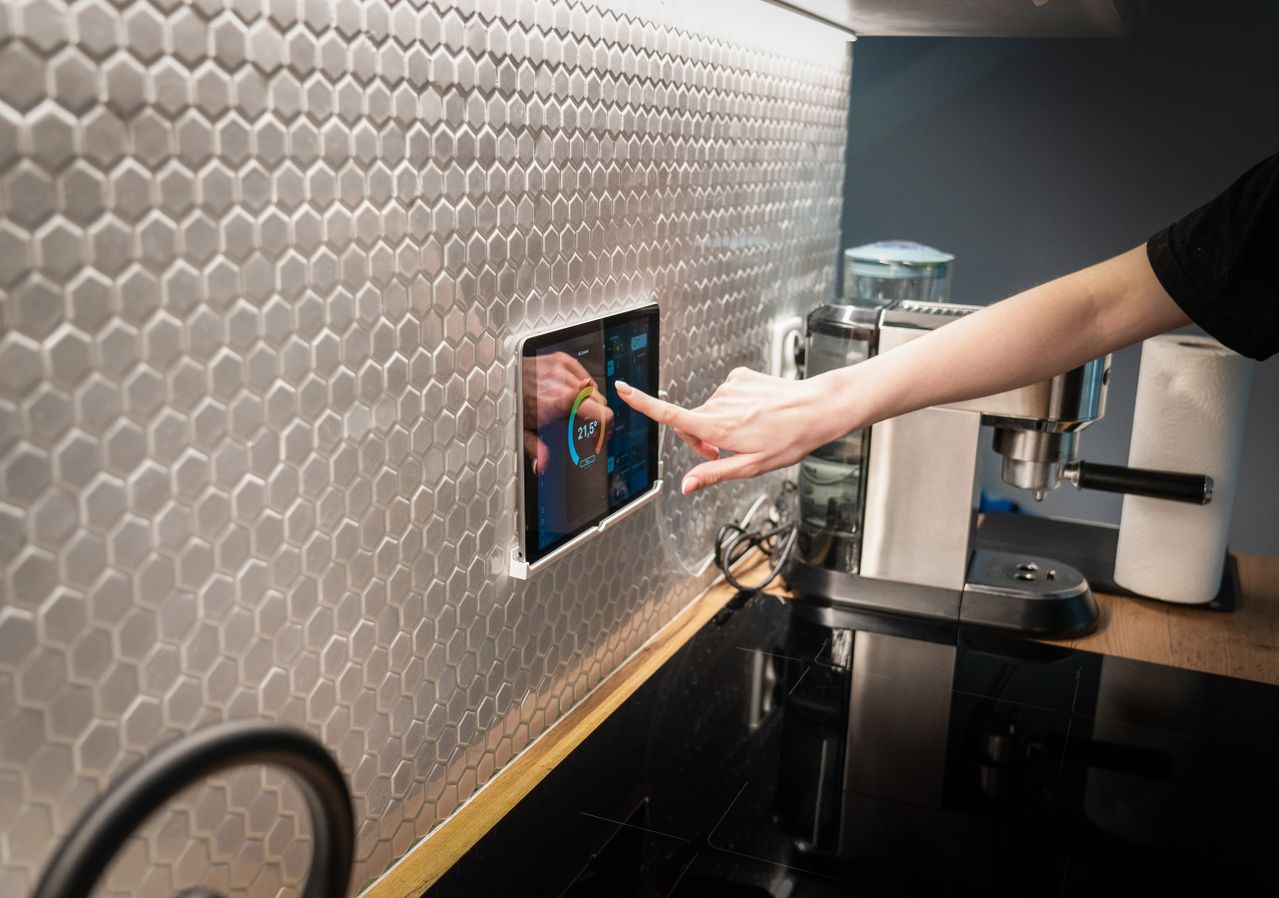
What Is Smart Home Design?
Smart home design combines architecture, technology, and automation to create homes that are more convenient, efficient, and connected.
A smart home uses connected devices and systems that can:
- Automate daily tasks
- Monitor home conditions
- Improve energy efficiency
- Increase security
- Personalize living experiences
These technologies work together through smartphones, voice assistants, sensors, and smart platforms.
Why Smart Homes Are Becoming More Popular
The growth of smart home technology is driven by several factors:
- Increased demand for convenience
- Rising interest in energy efficiency
- Advances in artificial intelligence
- Improved internet connectivity
- Greater focus on home security
- Desire for personalized living spaces
Today’s homeowners are looking for solutions that make their homes easier to manage and more comfortable.
Table: Key Smart Home Innovations
|
Innovation |
Main Function |
Benefits |
|
Smart Lighting |
Automated lighting control |
Saves energy and improves comfort |
|
Smart Thermostats |
Temperature management |
Reduces energy costs |
|
Home Security Systems |
Monitoring and protection |
Improves safety |
|
Voice Assistants |
Hands-free control |
Simplifies daily tasks |
|
Smart Appliances |
Automated household functions |
Increases convenience |
|
Connected Entertainment |
Integrated media systems |
Creates personalized experiences |
Intelligent Lighting Systems
Smart lighting is one of the most popular smart home features.
Modern lighting systems allow homeowners to:
- Adjust brightness remotely
- Change colors and moods
- Schedule automatic lighting
- Reduce energy consumption
For example, lights can automatically turn on when someone enters a room or adjust based on natural daylight.
Beyond convenience, smart lighting can improve the atmosphere of a home by creating personalized environments for work, relaxation, or entertainment.
AI-Powered Home Automation
Artificial intelligence is becoming a central part of smart home design.
AI-powered systems can learn user preferences and automate routines.
Examples include:
- Adjusting temperature based on habits
- Suggesting energy-saving settings
- Managing daily schedules
- Controlling multiple devices together
Instead of simply responding to commands, future smart homes will increasingly anticipate what residents need.
Energy-Efficient Smart Homes
Sustainability is one of the biggest trends influencing modern home design.
Smart technologies help reduce energy use through:
- Automated heating and cooling
- Smart energy monitoring
- Efficient appliances
- Solar energy integration
These solutions help homeowners lower energy consumption while creating more environmentally friendly living spaces.
Advanced Home Security Solutions
Security technology has become a major focus of smart home innovation.
Modern systems include:
- Smart cameras
- Motion sensors
- Video doorbells
- Digital locks
- Remote monitoring
Homeowners can receive alerts, check their property, and control security features from anywhere.
These technologies provide greater control and peace of mind.
Smart Kitchens and Connected Appliances
The kitchen is becoming one of the most technology-driven areas of the home.
Smart kitchen innovations include:
- Refrigerators that track food inventory
- Connected ovens with remote controls
- Automated coffee machines
- Intelligent cooking assistants
These technologies help improve efficiency and make daily tasks easier.
Smart Furniture and Flexible Spaces
Modern homes are increasingly designed around flexibility.
Smart furniture innovations include:
- Adjustable desks
- Multifunctional furniture
- Automated storage systems
- Integrated charging solutions
These features are especially valuable in smaller homes where space optimization is important.
Voice-Controlled Living Experiences
Voice technology has changed how people interact with their homes.
Voice assistants allow users to:
- Control lights
- Play music
- Adjust temperatures
- Manage schedules
- Operate connected devices
Hands-free control creates a more accessible and convenient living environment.
Smart Bathrooms and Wellness Technology
Smart home design is expanding into personal wellness spaces.
Modern smart bathrooms may include:
- Automated lighting systems
- Smart mirrors
- Water-saving technology
- Temperature-controlled showers
These innovations focus on creating more comfortable and personalized daily routines.
Home Design With Integrated Technology
Future smart homes will not simply add technology to existing designs—the technology will become part of the architecture.
Design trends include:
- Hidden smart devices
- Built-in charging systems
- Wireless technology integration
- Adaptive environments
The goal is to create homes where technology works naturally in the background.
The Future of Smart Home Design
Smart homes will continue becoming more intelligent and personalized.
Future developments may include:
- AI-driven home management
- Fully automated energy systems
- More sustainable materials
- Predictive maintenance technology
- Greater integration between devices
Homes of the future may adapt automatically to residents’ lifestyles, improving comfort, efficiency, and sustainability.
Conclusion
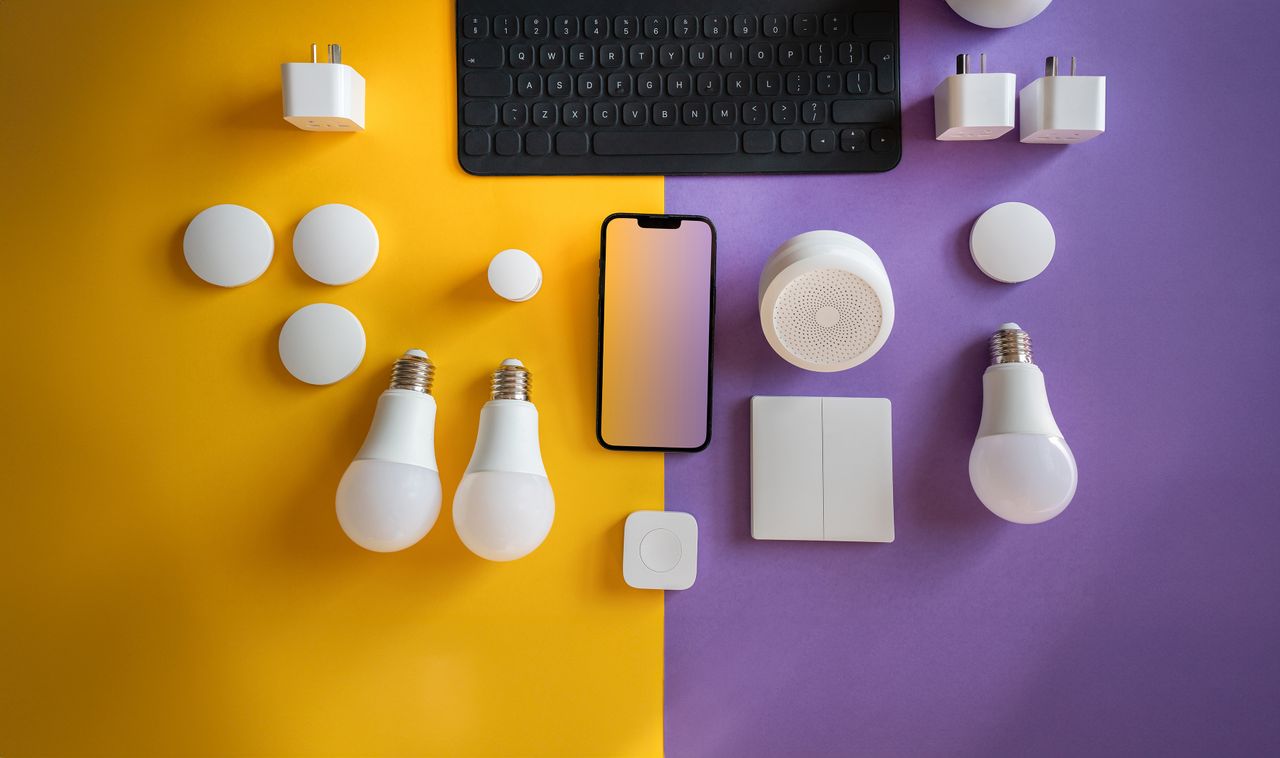
Smart home design innovations are transforming the way people experience their living spaces. By combining automation, artificial intelligence, and connected technology, modern homes are becoming more efficient, secure, and personalized.
The takeaway: the future of home design is not only about creating beautiful spaces—it is about building intelligent environments that understand and support the people who live in them.
Frequently Asked Questions
As technology becomes more affordable and accessible, smart features are expected to become increasingly common in modern homes.


Was This Article Helpful?
Click on a star to rate it!
Thank you for your vote!

Average Rating: 0/5 Votes: 0
Be the first to rate this post!

Strong engineering background in mobile and backend development. Focusing on building scalable products, improving development processes — from architecture and APIs to UX redesigns, monetization, and analytics. Responsible for applications with 1M+ downloads and multi-project ecosystems.
View LinkedIn ProfileLatest Posts

Conflict Resolution in Relationships

How to Develop a Growth Mindset

How Diet Affects Energy Levels