Mixing Modern and Vintage Decor Styles: Creating a Timeless Home Design
Home design does not have to follow a single style. In fact, some of the most beautiful interiors combine different eras, textures, and design ideas to create spaces that feel unique and personal. Mixing modern and vintage decor styles is a popular approach that brings together the clean simplicity of contemporary design with the character and charm of older pieces.
This combination creates a balanced look where the past and present work together. But how can you blend these styles without making your home feel mismatched?
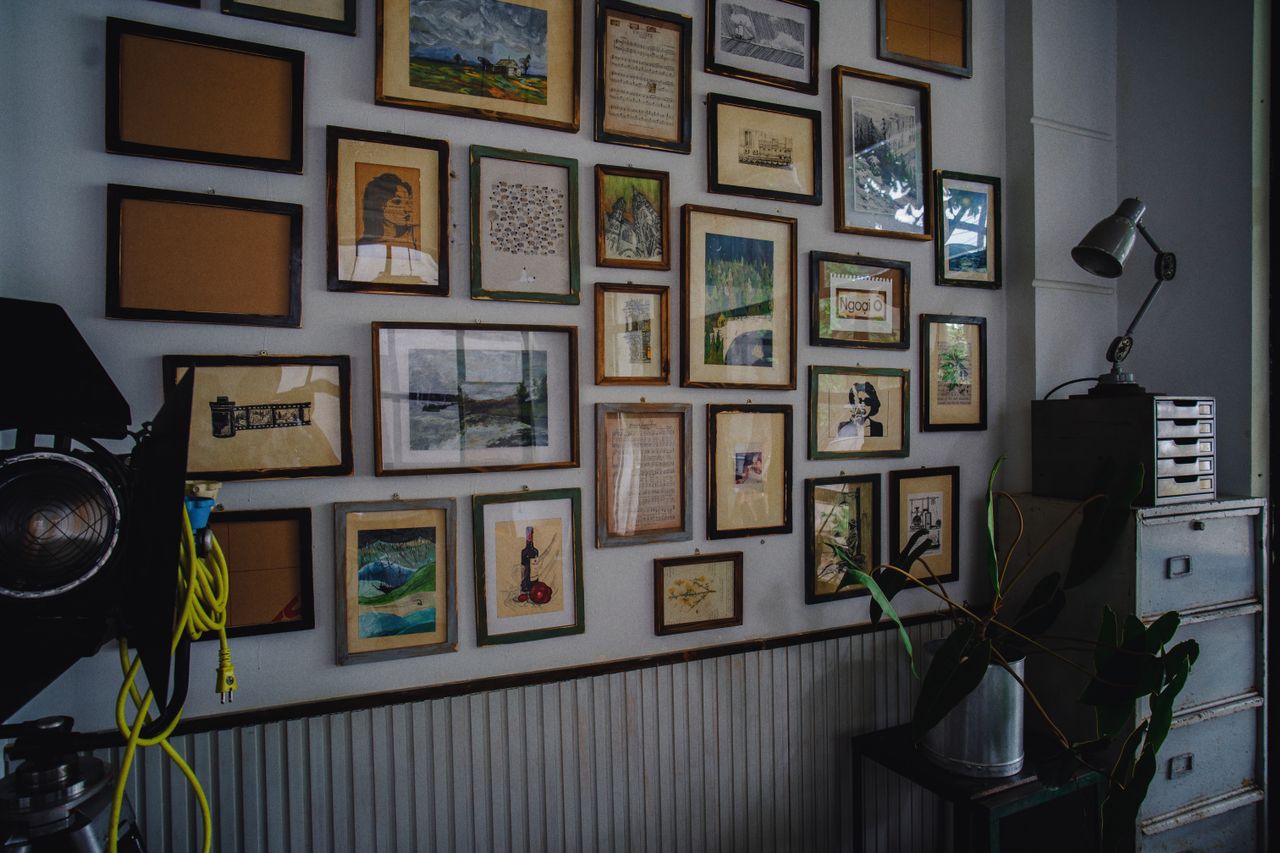
Why Modern and Vintage Styles Work Together
At first glance, modern and vintage decor may seem like opposites. Modern design often focuses on simplicity, clean lines, and minimalism, while vintage style celebrates history, details, and personality.
However, these differences are exactly what make the combination interesting.
Modern elements can provide:
- A fresh and organized look
- Functional layouts
- Simple color schemes
- Contemporary comfort
Vintage pieces can add:
- Warmth and character
- Unique stories
- Artistic details
- A sense of history
Together, they create a home that feels both stylish and welcoming.
Finding the Right Balance Between Old and New
The key to successful mixing is balance. If one style dominates too much, the room may feel incomplete.
A useful approach is to choose a main style and use the other as an accent.
For example:
- A modern living room can include a vintage wooden cabinet
- A classic dining table can be paired with modern chairs
- A contemporary bedroom can feature an antique mirror
|
Design Element |
Modern Approach |
Vintage Approach |
|
Furniture |
Simple shapes and clean lines |
Detailed craftsmanship and unique designs |
|
Colors |
Neutral tones and minimal palettes |
Rich, warm, or faded shades |
|
Materials |
Glass, metal, concrete |
Wood, brass, aged fabrics |
|
Decorations |
Minimal accessories |
Collectible and nostalgic items |
|
Lighting |
Sleek fixtures |
Classic lamps and chandeliers |
The goal is not to make everything match perfectly but to create visual harmony.
Choose a Strong Design Foundation
Before adding vintage details, establish the overall feeling of your space.
Modern foundations often include:
- Neutral walls
- Simple furniture arrangements
- Open spaces
- Functional storage
Once the foundation is in place, vintage elements can become highlights rather than distractions.
A modern room acts like a blank canvas, allowing special vintage pieces to stand out.
Use Vintage Pieces as Statement Items
Vintage decor works best when each piece has room to shine. Instead of filling a room with many old items, choose a few meaningful pieces.
Examples include:
- An antique coffee table
- A vintage artwork collection
- A classic armchair
- A retro lighting fixture
- A handcrafted wooden piece
A single unique item can add more personality than many decorative objects.
Combine Different Textures
Texture is one of the easiest ways to connect modern and vintage styles.
Modern spaces often use smooth surfaces, while vintage designs include more natural and textured materials.
Try combining:
- Soft vintage fabrics with modern furniture
- Old wood with polished metal
- Antique ceramics with contemporary shelves
- Linen textiles with minimalist designs
Textures create depth and make a room feel more comfortable.
Create Harmony Through Color
Color helps different design styles work together. A thoughtful color palette prevents the room from feeling chaotic.
Popular approaches include:
- Using neutral modern colors as a base
- Adding vintage-inspired accent colors
- Repeating similar shades throughout the room
For example, a modern gray sofa can work beautifully with a vintage rug featuring warm earthy tones.
Mix Furniture Styles Carefully
Furniture is one of the most noticeable parts of interior design. Combining pieces from different eras requires attention to proportion and scale.
Helpful tips:
- Keep similar sizes and shapes balanced
- Avoid placing too many competing statement pieces together
- Repeat materials across the room
- Create visual connections between old and new items
A vintage wooden table and modern chairs can look intentional when they share a similar color or material connection.
Add Personal Stories Through Decor
One of the biggest advantages of vintage decor is the emotional value it brings. Older items often have stories, memories, or historical meaning.
Consider including:
- Family heirlooms
- Antique books
- Travel finds
- Handmade objects
- Second-hand treasures
These pieces make your home feel personal rather than like a showroom.
Common Mistakes to Avoid
Mixing styles can be successful, but some choices can make a room feel unbalanced.
Avoid:
- Adding too many unrelated vintage items
- Mixing too many colors and patterns
- Ignoring room proportions
- Choosing pieces only because they are trendy
A thoughtful selection creates a timeless look.
The Future of Interior Design
Modern homes are increasingly moving away from strict design rules. People want spaces that reflect their personalities, experiences, and lifestyles.
The combination of modern and vintage styles will likely remain popular because it offers:
- Sustainability through reuse
- Unique personal expression
- A connection between generations
- Flexible design possibilities
A home should tell your story, and mixing different eras is one of the best ways to do that.
Conclusion
Mixing modern and vintage decor styles allows you to create a home that feels stylish, comfortable, and full of personality. The clean simplicity of modern design provides balance, while vintage pieces add warmth, history, and character.
The secret is not choosing between old and new—it is finding the right relationship between them. With thoughtful choices, your home can become a timeless space where every piece has a purpose and every detail tells a story.
Frequently Asked Questions
Create connections between pieces through repeated colors, materials, textures, or shapes so the room feels thoughtfully designed.


Was This Article Helpful?
Click on a star to rate it!
Thank you for your vote!

Average Rating: 0/5 Votes: 0
Be the first to rate this post!

Proficient background in project planning, execution, and continuous improvement. Experienced in analyzing ideas and forecasting project success, defining requirements and timelines, and managing communication across cross-functional teams. Skilled in creating and maintaining project documentation, automating processes, and making data-driven decisions in critical situations.
View LinkedIn ProfileLatest Posts

Gaming Gadgets for Enthusiasts

Disruptive Technologies Reshaping Markets
The Rise of Software-Defined Cars