How to Use Color Psychology to Transform Your Living Space
The colors around us have more impact than we often realize. They can influence mood, productivity, energy levels, and even how spacious a room feels. Color psychology—the study of how colors affect human behavior and emotion—can help you design a home that not only looks great but also feels right. Whether you’re redecorating a bedroom, sprucing up your living room, or designing a home office, understanding color psychology can transform your space.
Here’s how to harness the power of color in your home.
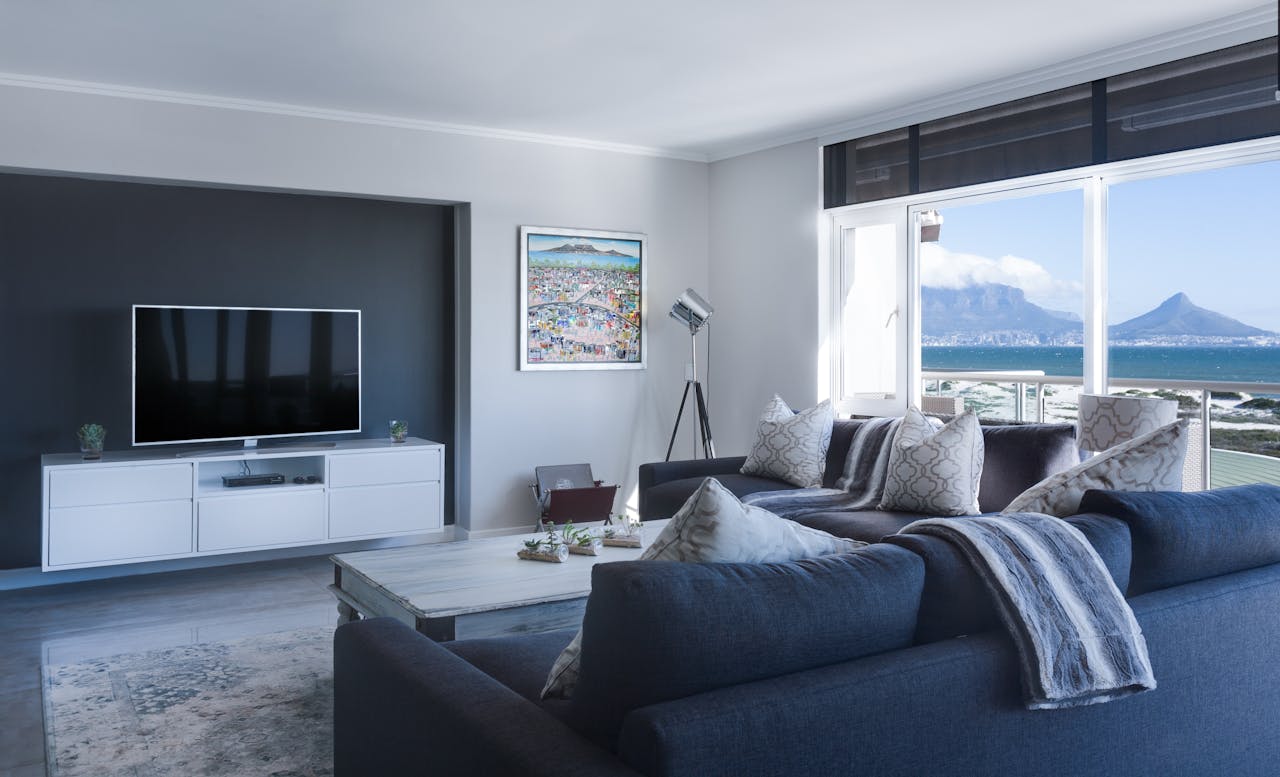
Understanding Color Psychology Basics
Different colors evoke different feelings and reactions:
- Red – Energizing, passionate, and attention-grabbing. Perfect for dining rooms or accent walls.
- Blue – Calming, promotes focus, ideal for bedrooms and home offices.
- Yellow – Cheerful and uplifting, great for kitchens or creative spaces.
- Green – Balances and refreshes, brings a natural feel to living areas.
- Purple – Luxurious and creative, suitable for bedrooms or meditation areas.
- Neutrals (White, Gray, Beige) – Provide balance and versatility, great as base colors.
Choosing colors intentionally can enhance mood, energy, and overall home harmony.
Choosing the Right Colors for Each Room
Different rooms have different purposes, so match colors accordingly:
- Living Room – Warm tones like soft oranges or yellows encourage conversation and socializing.
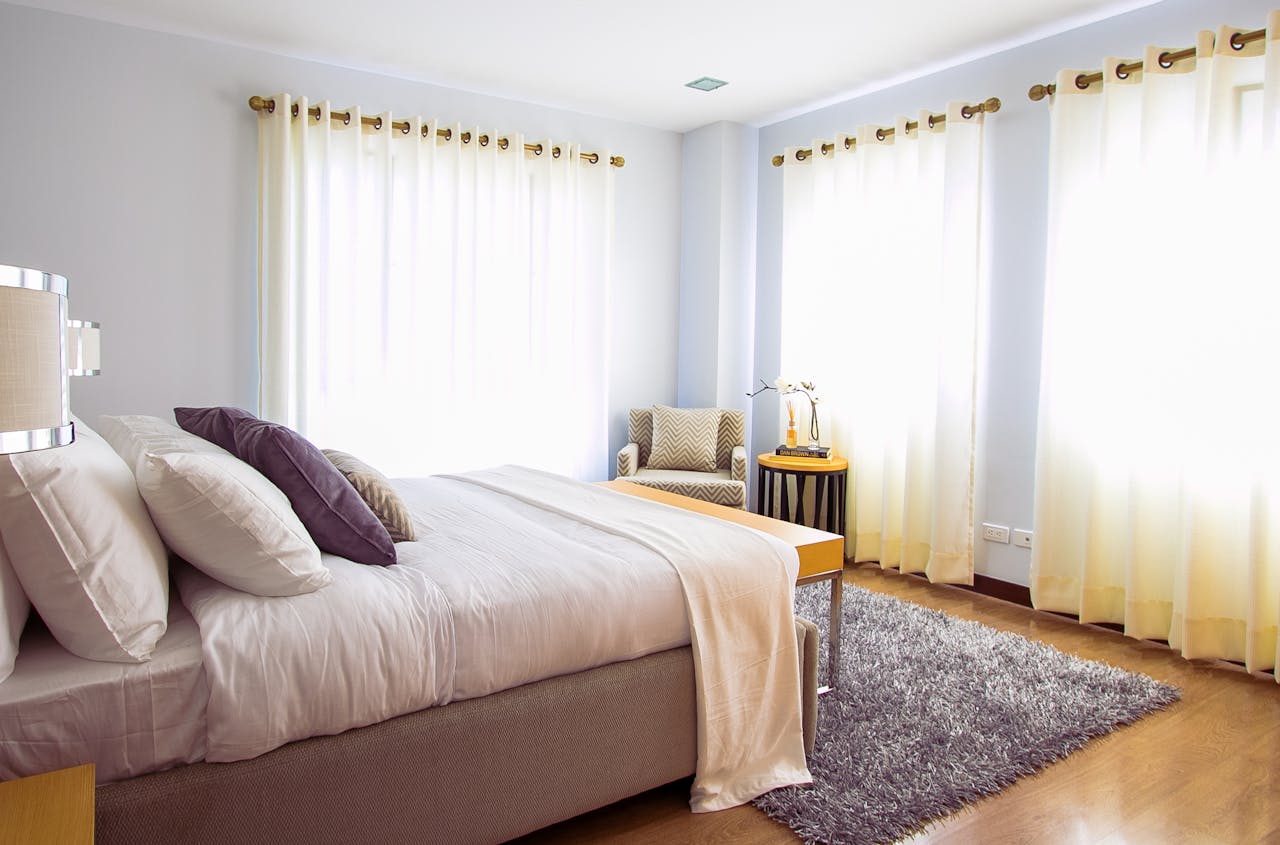
- Bedroom – Cool blues, greens, or muted purples promote relaxation and sleep.
- Kitchen – Bright colors like yellow or red stimulate appetite and energy.
- Home Office – Blues and greens increase focus, while pops of orange boost creativity.
- Bathroom – Soft blues and greens create a spa-like, calming environment.
Consider lighting, furniture, and room size—colors may appear different in natural or artificial light.
Table: Colors and Their Psychological Effects
|
Color
|
Psychological Effect
|
Best Rooms / Uses
|
| Red | Energy, excitement, passion | Dining room, accent walls |
|
Blue
|
Calm, focus, tranquility | |
|
Yellow
|
Happiness, creativity
|
Kitchen, playroom
|
| Green | Balance, renewal, nature | Living room, study, bedroom |
| Purple | Luxury, creativity, calm | Bedroom, meditation space |
| Neutral | Stability, flexibility | All rooms (base color) |
Tips for Applying Color Psychology Effectively
- Start Small – Use accent walls, pillows, or décor items before committing to a full room.
- Mix and Balance – Combine warm and cool tones to create harmony and prevent overstimulation.
- Consider Mood Goals – Think about how you want to feel in each space.
- Test Samples – Paint swatches on the wall and observe them in different lighting throughout the day.
- Use Patterns and Textures – Enhance color effects with rugs, curtains, or artwork.
Even subtle changes can have a big impact on the feel of your home.
Conclusion
Color is more than just decoration—it shapes emotions, influences behavior, and sets the tone of your living space. By understanding color psychology and thoughtfully selecting hues for each room, you can create a home that supports your lifestyle, improves mood, and reflects your personality. Whether you’re seeking calm, creativity, energy, or comfort, the right colors can make your home truly transformative.
Frequently Asked Questions about Color Psychology to Transform Your Living Space
It’s the study of how colors affect mood, behavior, and emotions, used to enhance living spaces.
Yes, different colors can energize, calm, inspire creativity, or create a cozy atmosphere.
Not necessarily—different rooms serve different purposes, so tailor colors to the room’s function.
Paint small swatches on the wall and observe them in natural and artificial light at different times of day.
Yes, neutrals provide balance, allow accent colors to stand out, and create a versatile foundation.


Was This Article Helpful?
Click on a star to rate it!
Thank you for your vote!

Average Rating: 4.8/5 Votes: 20
Be the first to rate this post!

Proficient background in project planning, execution, and continuous improvement. Experienced in analyzing ideas and forecasting project success, defining requirements and timelines, and managing communication across cross-functional teams. Skilled in creating and maintaining project documentation, automating processes, and making data-driven decisions in critical situations.
View LinkedIn ProfileLatest Posts

Travel Photography Tips for Stunning Memories
The Rise of Cross-Platform Gaming

Esports Arenas and the Future of Competitive Gaming