How Diet Affects Energy Levels
Feeling tired during the day isn't always about getting too little sleep. What you eat can have a major effect on how much energy you have, how long it lasts, and whether you experience sudden highs and crashes.
Food provides the fuel your body needs for movement, concentration, and everyday activities. But different foods are processed differently, which means some meals can support steady energy while others may leave you feeling sluggish.
Why Food Matters for Energy
Your body turns nutrients from food into energy that cells can use. Carbohydrates, fats, and proteins all play different roles in this process.
Carbohydrates are often the body's quickest source of usable energy. Proteins help maintain muscles and support many essential processes, while fats provide a concentrated source of energy and help the body absorb certain vitamins.
A balanced diet gives your body access to these nutrients without relying too heavily on one food group.
Carbohydrates and Quick Energy
Carbohydrates are broken down into glucose, which the body can use for energy. This is especially important for the brain and muscles.
However, not all carbohydrates affect energy in the same way. Foods such as whole grains, beans, vegetables, and fruit generally provide more fiber and can support a steadier release of energy.
Highly refined carbohydrates, such as sugary drinks and sweets, can provide energy quickly but may be followed by a drop in energy.
Protein Helps Keep You Satisfied
Protein doesn't usually provide energy as quickly as carbohydrates, but it can make meals more satisfying and help support muscle maintenance.
Adding foods such as eggs, yogurt, fish, beans, lentils, tofu, or lean meat to meals can help create a more balanced plate.
For example, instead of having only toast for breakfast, you could combine whole-grain toast with eggs and vegetables.
Healthy Fats and Long-Lasting Fuel
Dietary fats are another important source of energy. They also help the body absorb fat-soluble vitamins.
Sources such as nuts, seeds, avocados, olive oil, and fatty fish can be included as part of a balanced eating pattern.
Because fats are energy-dense, portion size still matters. The goal isn't to avoid fat but to include appropriate amounts of nutritious sources.
The Importance of Fiber
Fiber can influence how quickly carbohydrates are digested and absorbed. This can help meals feel more filling and may support more stable energy throughout the day.
Good sources include:
- Oats and whole grains
- Beans and lentils
- Vegetables
- Fruits
- Nuts and seeds
Adding fiber to meals can be as simple as choosing oatmeal instead of a sugary breakfast cereal or adding vegetables to lunch.
Hydration Also Affects Energy
Food isn't the only factor. Not drinking enough fluids can contribute to feelings of tiredness and reduced concentration.
Water should be the main source of hydration for most people. Your needs can vary depending on factors such as activity, weather, diet, and individual circumstances.
Keeping water nearby during the day can make it easier to drink regularly.
How Meal Composition Can Change Energy
A meal containing only refined carbohydrates may feel very different from one that combines carbohydrates, protein, fat, and fiber.
|
Meal Pattern |
Possible Energy Experience |
|
Sugary snack or drink |
Quick energy followed by a possible dip |
|
Refined carbohydrates alone |
Relatively quick digestion and shorter-lasting fullness |
|
Whole grains + protein |
More balanced and satisfying |
|
Vegetables + protein + healthy fats |
Filling meal with a mix of nutrients |
|
Whole grains + fruit + protein |
Combination of carbohydrates, fiber, and protein |
Individual responses vary, so there isn't one perfect meal pattern for everyone.
Breakfast and Morning Energy
Some people feel better eating breakfast, while others prefer to eat later. What matters is how your overall eating pattern supports your energy and daily routine.
If you do eat breakfast, combining several food groups can be more satisfying than relying on a highly sugary option.
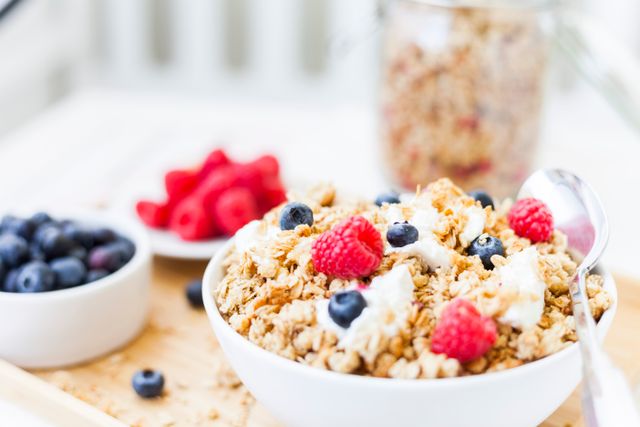
For example, oatmeal with fruit, nuts, and yogurt provides carbohydrates, fiber, protein, and fats in one meal.
Caffeine: Helpful but Temporary
Coffee and tea can make you feel more alert because caffeine stimulates the nervous system. However, caffeine doesn't replace the energy your body gets from adequate food, sleep, and hydration.
Large amounts of caffeine or consuming it too late in the day may also interfere with sleep for some people. That can create a cycle where you use caffeine to compensate for tiredness caused by poor sleep.
Avoiding the Afternoon Energy Slump
An afternoon dip in energy is common. Your lunch can influence how you feel afterward.
A very large meal may leave some people feeling sluggish, while a lunch based mainly on refined carbohydrates may not provide lasting fullness.
Try building lunch around a simple combination of vegetables, a protein source, and a source of whole-food carbohydrates or healthy fats.
Small Changes Can Make a Difference
You don't need to completely change your diet overnight. Small adjustments can be easier to maintain.
Try replacing sugary drinks with water, adding vegetables to one meal, choosing whole grains more often, or pairing fruit with yogurt or nuts for a snack.
Over time, these small choices can create a more balanced eating routine.
Listen to Your Body
Energy needs vary from person to person. Age, activity level, sleep, stress, meal timing, and overall health can all affect how you feel.
Pay attention to patterns. Do you feel tired after certain meals? Are you hungry again very quickly? Does skipping meals affect your concentration?
Keeping a simple food and energy journal for a few days may help you identify patterns without turning eating into a complicated task.

Conclusion
Diet can have a meaningful effect on how you feel throughout the day. Carbohydrates provide readily available fuel, protein supports satiety and body tissues, fats provide concentrated energy, and fiber can help make meals more filling. Hydration matters too.
Instead of looking for one food that will magically increase energy, focus on balanced meals, varied ingredients, reasonable portions, and habits you can maintain. Consistency is often more useful than perfection.
Frequently Asked Questions
If you're not getting enough fluids, improving hydration may help you feel better and stay focused. Water is generally a good everyday choice.


Was This Article Helpful?
Click on a star to rate it!
Thank you for your vote!

Average Rating: 0/5 Votes: 0
Be the first to rate this post!

Proficient background in project planning, execution, and continuous improvement. Experienced in analyzing ideas and forecasting project success, defining requirements and timelines, and managing communication across cross-functional teams. Skilled in creating and maintaining project documentation, automating processes, and making data-driven decisions in critical situations.
View LinkedIn ProfileLatest Posts

Conflict Resolution in Relationships
How to Develop a Growth Mindset
How Diet Affects Energy Levels