Technology and the Protection of Human Rights
Technology has become an important part of how people communicate, access information, receive education, and participate in society. Digital platforms help communities share their experiences, document human rights violations, and connect with organizations that provide support. At the same time, technological developments create new challenges involving privacy, surveillance, discrimination, and freedom of expression.
The relationship between technology and human rights is complex. Digital tools can help protect people's rights, but they can also be used to restrict freedoms or expose individuals to harm. Understanding both sides is essential for creating a digital world that respects human dignity and promotes equality.
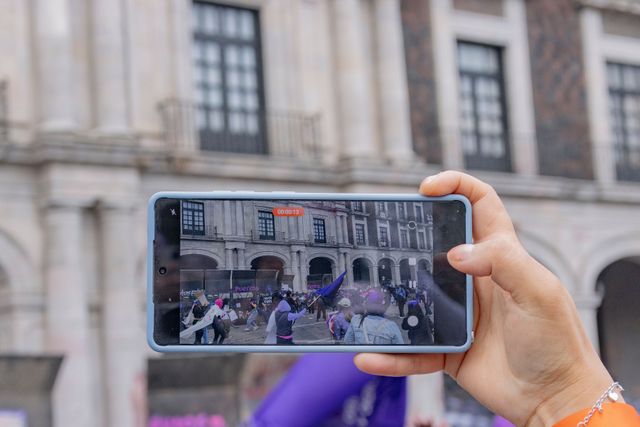
How Technology Supports Human Rights
Technology can help people exercise their rights by making information more accessible and creating new opportunities for participation.
The internet allows people to access educational resources, communicate across borders, and learn about legal protections. Digital platforms can also help communities organize campaigns, share personal experiences, and draw attention to discrimination or abuse.
Technology supports human rights in several ways:
- Access to information: Online resources help people learn about laws, public services, and their rights.
- Freedom of expression: Digital platforms provide spaces for sharing opinions, reporting concerns, and participating in public discussions.
- Education: Online learning tools can make educational materials available to people who face geographical or financial barriers.
- Community organization: Messaging applications and social networks help people coordinate events, campaigns, and mutual aid.
- Access to services: Digital systems can make certain healthcare, administrative, and legal services easier to reach.
However, these benefits depend on reliable internet access, digital literacy, accessible design, and safeguards against censorship and misuse. People without suitable devices, connectivity, or technical skills may still face significant barriers.
Social Media and Human Rights Awareness
Social media has changed how information about human rights issues reaches the public. Images, videos, eyewitness accounts, and personal stories can spread rapidly, bringing attention to events that might otherwise receive limited coverage.
Sharing Information Quickly
Activists, journalists, and community members can use social platforms to document events, explain social problems, and connect people with relevant resources.
For example, a local organization might publish information about workers' rights, while a community group might use social media to raise awareness of barriers faced by people with disabilities.
Supporting Collective Action
Online campaigns can help people coordinate peaceful demonstrations, organize fundraising, and contact decision-makers. Digital communication can also connect individuals who face similar challenges, allowing them to exchange information and support.
Understanding the Risks
Social media can also spread misinformation, expose vulnerable people to harassment, or circulate images without consent. Posts may be taken out of context, and public attention can sometimes place witnesses or activists at risk.
Responsible digital advocacy requires checking information before sharing it, protecting sensitive details, and considering the safety of the people involved.
Digital Privacy and the Right to Personal Data Protection
Privacy is a fundamental human rights concern in the digital age. Websites, applications, connected devices, and online services may collect information about people's identities, locations, interests, and behavior.
Personal data can be useful. For example, it can help services remember preferences, prevent fraud, and provide relevant features. Problems arise when information is collected excessively, shared without an appropriate basis, stored insecurely, or used in ways people do not expect.
Common Digital Privacy Risks
- Excessive data collection: Services may request more information than they need.
- Unauthorized access: Weak security can expose personal information to criminals or other unauthorized parties.
- Unclear data practices: People may not understand how their information is stored or shared.
- Location tracking: Detailed location records can reveal sensitive information about a person's routines and activities.
- Identity theft: Stolen personal details may be used to impersonate individuals or access their accounts.
How Privacy Can Be Protected
Individuals can use strong, unique passwords, enable multifactor authentication, review application permissions, and avoid sharing sensitive information unnecessarily.
Organizations also have important responsibilities. They should collect only the data they need, secure it appropriately, explain their practices clearly, and provide meaningful ways for people to exercise their rights under applicable law.
Privacy protection is not only an individual responsibility. It also depends on secure systems, accountable organizations, and effective legal safeguards.
Artificial Intelligence and Human Rights
Artificial intelligence is increasingly used in recruitment, healthcare, education, policing, financial services, and public administration. These systems can help process information and support decision-making, but they can also create risks when their design or use is unfair or insufficiently transparent.
Algorithmic Bias and Discrimination
AI systems learn patterns from data. If the data reflects historical discrimination or fails to represent certain groups, the resulting system may produce unfair outcomes.
For example, an automated recruitment tool could disadvantage qualified applicants if it relies on patterns from past hiring decisions that favored certain groups.
Testing systems across different populations, reviewing training data, and monitoring real-world outcomes can help identify and reduce these risks.
Transparency and Accountability
People affected by automated decisions should have appropriate ways to understand how decisions are made, challenge errors, and request human review when necessary.
This is especially important when decisions affect employment, access to benefits, education, healthcare, or personal freedom.
Facial Recognition and Surveillance
Facial recognition can have legitimate uses, such as helping verify identity in certain settings. However, its use for large-scale surveillance can threaten privacy and freedom of assembly. Errors in identification can also have serious consequences.
Responsible governance requires clear rules, safeguards, independent oversight, and careful consideration of whether a particular use is necessary and proportionate.
Technology and Freedom of Expression
Freedom of expression allows people to seek, receive, and share information and ideas. Digital communication has expanded the opportunities to exercise this right, but online environments also introduce new forms of restriction and abuse.
Online censorship, internet shutdowns, intimidation, and arbitrary restrictions on digital content can limit people's ability to participate in public discussions.
At the same time, digital platforms must address threats such as targeted harassment, incitement to violence, and harmful misinformation. Moderation decisions can therefore involve difficult questions about protecting users while respecting freedom of expression.
A rights-respecting approach should use clear rules, consistent enforcement, transparency, and accessible appeal mechanisms. Restrictions on expression should comply with applicable human rights standards rather than being arbitrary or unnecessarily broad.
Journalists, researchers, and human rights defenders may also need secure communication tools to protect sources and share sensitive information responsibly.
Technology in Human Rights Monitoring and Documentation
Digital tools can help document potential human rights violations and preserve evidence for investigations, journalism, and advocacy.
Photographs, video recordings, satellite imagery, and digital records can provide valuable information about events and conditions that are difficult to observe directly.
Digital Evidence
Researchers may analyze publicly available images, compare locations using satellite imagery, or examine the timing and context of recorded events. Secure databases can help organizations organize evidence and identify patterns.
Verification Matters
Digital content can be edited, miscaptioned, or shared with misleading descriptions. Investigators therefore need to verify the source, date, location, and context of material before drawing conclusions.
Protecting Witnesses and Survivors
Documenting abuses can create risks for the people involved. Publishing identifying details may expose witnesses, survivors, or their families to retaliation.
Organizations should consider informed consent, secure storage, access controls, and methods for removing identifying information when appropriate. Collecting evidence responsibly is as important as preserving its accuracy.
The Digital Divide and Equal Access to Technology
Technology can support equality only when people have a meaningful opportunity to use it. The digital divide describes differences in access to devices, internet connectivity, digital skills, and accessible services.
People living in rural areas, people with disabilities, low-income households, and communities with limited infrastructure may face particular barriers. Older adults and people who have had fewer opportunities to develop digital skills may also need additional support.
These barriers can affect access to education, employment, public information, and essential services.
Making Technology More Inclusive
Governments, businesses, schools, and community organizations can help by:
- Expanding affordable and reliable internet access.
- Providing digital literacy education.
- Designing websites and applications that work with assistive technologies.
- Offering accessible interfaces and clear language.
- Maintaining offline options for essential services.
- Supporting affordable access to devices and technical assistance.
Digital services should complement rather than unnecessarily eliminate non-digital alternatives, especially when access to a service is essential to exercising a person's rights.
International Human Rights Principles in the Digital Age
Human rights principles provide a framework for evaluating how technology is designed, deployed, and regulated.
The Universal Declaration of Human Rights recognizes rights including privacy, freedom of expression, education, and participation in public life. These principles remain relevant when people use digital technologies.
The International Covenant on Civil and Political Rights also protects rights such as privacy and freedom of expression, subject to the conditions and limitations established under international law.
In practice, a human rights-based approach to technology involves several principles:
|
Principle |
What it means in practice |
Example |
|
Privacy |
Protect personal information and avoid unnecessary collection |
Collecting only the data needed for a service |
|
Equality and non-discrimination |
Identify and address unfair treatment |
Testing automated systems for discriminatory outcomes |
|
Freedom of expression |
Protect the ability to seek and share information within applicable legal standards |
Providing clear, fair content moderation procedures |
|
Accountability |
Make organizations responsible for the effects of their systems |
Investigating complaints about harmful automated decisions |
|
Accessibility |
Ensure people with different needs can use digital services |
Providing screen-reader compatibility and captions |
|
Transparency |
Explain relevant data practices and decision-making processes |
Clearly describing how personal data is used |
These principles can guide technology companies, public institutions, and developers as they assess potential risks and build safeguards.
How Individuals Can Help Protect Human Rights Online
Protecting human rights in digital spaces requires action from institutions and technology providers, but individuals can also contribute to safer online environments.
Here are several practical steps:
- Protect your accounts. Use unique passwords and multifactor authentication where available.
- Review privacy settings. Check what information applications collect and who can access your posts.
- Verify information. Check the source and context before sharing potentially sensitive or controversial content.
- Respect other people's privacy. Ask permission before publishing identifiable photographs or personal stories.
- Recognize online abuse. Report threats, harassment, and impersonation through appropriate channels.
- Support digital inclusion. Help others develop digital skills and advocate for accessible technology.
- Learn about your rights. Explore the privacy and data protection rules that apply in your country.
- Question automated decisions. When a decision seems incorrect or discriminatory, look for available explanations, review procedures, or complaint mechanisms.
These actions cannot prevent every form of digital harm, but they can reduce certain risks and encourage more responsible online behavior.
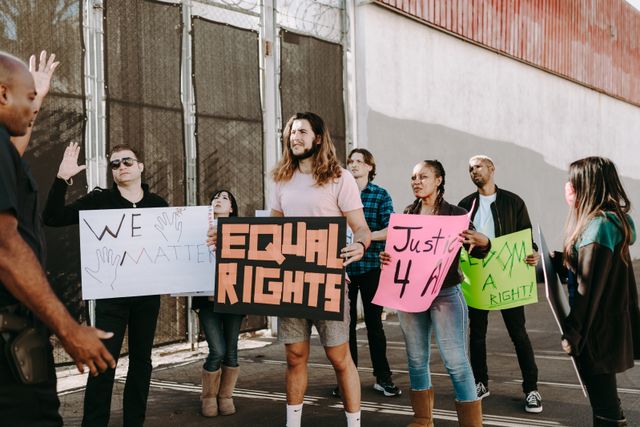
Conclusion
Technology has created new opportunities to protect human rights by expanding access to information, supporting public participation, documenting abuses, and connecting communities. At the same time, digital systems can threaten privacy, amplify discrimination, restrict expression, and exclude people who lack reliable access or suitable skills.
The challenge is not simply to develop more advanced technology, but to ensure that technological progress respects human dignity and fundamental freedoms.
Governments, businesses, developers, civil society organizations, and individuals all have a role in this process. Through strong safeguards, transparent practices, inclusive design, and accountability, technology can better serve people while protecting their rights in an increasingly connected world.
Frequently Asked Questions
The digital divide refers to unequal access to internet connectivity, devices, digital skills, and accessible online services. Reducing it can improve opportunities to participate in education, employment, and public life.


Was This Article Helpful?
Click on a star to rate it!
Thank you for your vote!
Average Rating: 0/5 Votes: 0
Be the first to rate this post!

Tech entrepreneur & digital strategist with over 9 years of experience in backend development and more than 5 years in executive leadership. Education Software and Web developer. More than 20 years of experience in software and web development.
View LinkedIn ProfileLatest Posts

Technology Helping Protect Wildlife

Green Innovation Driving Environmental Progress
Technology and the Protection of Human Rights