Green Innovation Driving Environmental Progress
Green innovation is changing how people produce energy, manufacture products, grow food, and manage natural resources. As environmental challenges such as climate change, pollution, and biodiversity loss become increasingly important, new technologies and sustainable practices offer opportunities to reduce environmental damage while supporting economic development.
From renewable energy systems and electric transportation to biodegradable materials and smart agriculture, green innovation includes a wide range of solutions designed to make human activities more sustainable.
However, environmental progress depends on more than inventing new technologies. Successful solutions must also be affordable, practical, accessible, and designed to reduce environmental impacts throughout their life cycles.
Understanding how green innovation works can help individuals, businesses, and communities make informed decisions about building a cleaner and more sustainable future.
What Is Green Innovation?
Green innovation refers to the development of products, technologies, services, and processes that reduce environmental harm or improve the efficient use of natural resources.
Unlike traditional innovation, which may focus primarily on performance, convenience, or profitability, green innovation also considers environmental outcomes.
It can include:
- Renewable energy technologies that reduce reliance on fossil fuels.
- Energy-efficient buildings and industrial equipment.
- Products designed for repair, reuse, and recycling.
- Agricultural methods that conserve water and protect soil.
- Transportation systems that reduce emissions and air pollution.
- Digital tools that help monitor ecosystems and resource consumption.
Green innovation does not always require advanced technology. Improving insulation, redesigning packaging, repairing products instead of replacing them, and introducing more efficient manufacturing processes can also deliver environmental benefits.
The goal is to meet human needs while reducing unnecessary resource consumption, pollution, and damage to ecosystems.
Renewable Energy: Transforming How We Produce Electricity
Energy production is one of the most important areas for green innovation. Electricity and heat generated from fossil fuels contribute significantly to global greenhouse gas emissions.
Renewable energy technologies use sources that are naturally replenished, including sunlight, wind, flowing water, and geothermal heat.
Solar Power
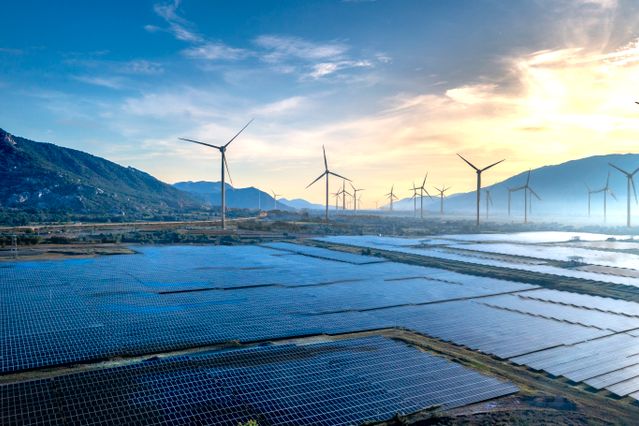
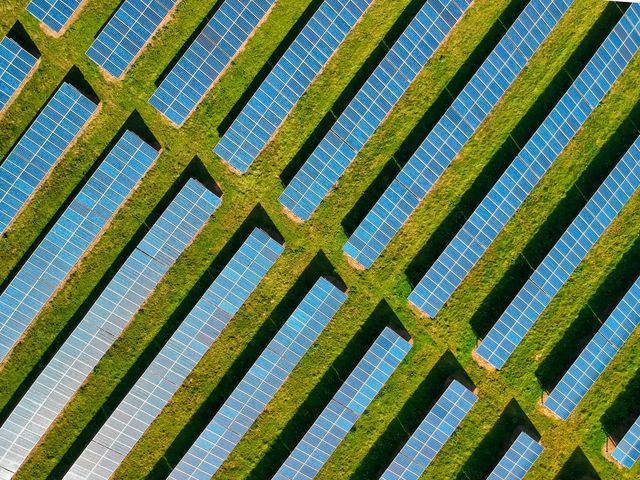
Solar panels convert sunlight into electricity. They can be installed on residential roofs, commercial buildings, and large solar farms.
Innovations in panel efficiency, manufacturing, and energy management can improve the usefulness of solar power in different settings.
Wind Energy
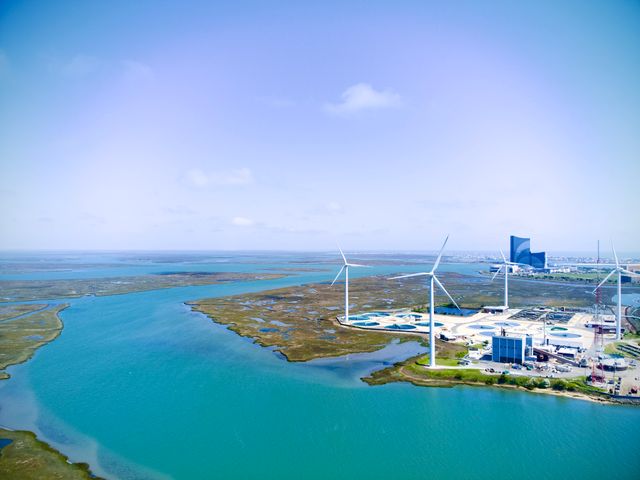
Wind turbines generate electricity from moving air. Both onshore and offshore wind projects can contribute to lower-emission electricity systems.
Their effectiveness depends on wind conditions, suitable locations, grid infrastructure, and environmental considerations such as impacts on wildlife.
Energy Storage
Solar and wind power vary with weather and time of day. Batteries and other storage technologies can help balance electricity supply and demand by storing energy when it is available and releasing it when needed.
Grid upgrades, flexible electricity demand, and a diverse mix of energy sources can also help maintain reliable power supplies.
Renewable energy can reduce greenhouse gas emissions, particularly when it replaces fossil-fuel generation. Its overall environmental impact still depends on factors such as manufacturing, land use, mining, and equipment disposal.
Sustainable Transportation and Electric Vehicles
Transportation contributes to air pollution, greenhouse gas emissions, and the consumption of fossil fuels. Green innovation is helping change how people and goods move.
Electric vehicles use electric motors rather than conventional internal combustion engines. They produce no exhaust emissions while driving, although electricity generation and vehicle manufacturing also have environmental impacts.
Innovations in Electric Vehicles
Developments in battery technology, charging infrastructure, and vehicle efficiency can make electric transportation more practical.
Battery improvements may increase driving range, reduce charging times, and lower material requirements. Battery recycling and reuse can also help recover valuable materials and reduce waste.
Beyond Private Cars
Sustainable transportation includes more than electric vehicles. Other important approaches include:
- Reliable public transportation.
- Safe walking and cycling infrastructure.
- Electric buses and delivery vehicles.
- Shared mobility services.
- More efficient freight and logistics systems.
- Urban planning that reduces unnecessary travel distances.
The best solutions depend on local infrastructure, population density, travel needs, and available resources. In many cities, improving public transportation and walkability can provide environmental benefits while making daily travel more accessible.
Green Buildings and Energy-Efficient Design
Buildings use energy and water throughout their life cycles, from construction to everyday operation. Green building innovation aims to reduce this consumption while maintaining comfort, safety, and durability.
Energy-Efficient Materials
Insulation, efficient windows, reflective roofing, and airtight construction can reduce heating and cooling needs.
Materials with lower life-cycle emissions may also help reduce the environmental impact of construction, provided they meet appropriate safety and performance requirements.
Smart Building Systems
Sensors and automated controls can adjust lighting, heating, cooling, and ventilation according to occupancy and environmental conditions.
These systems may reduce wasted energy, especially when combined with efficient equipment and well-designed buildings.
Green Roofs and Natural Design
Green roofs and planted walls can provide insulation, help manage stormwater, and create small habitats for urban wildlife. Trees and shade structures can also help reduce exposure to extreme heat.
However, green building features must suit the local climate, building structure, maintenance capacity, and water availability. A sustainable design is one that performs well over time, not simply one that looks environmentally friendly.
Sustainable Agriculture and Food Innovation
Agriculture depends on healthy soil, clean water, biodiversity, and stable growing conditions. Green innovation can help farmers produce food while managing environmental pressures.
Precision Agriculture
Sensors, satellite imagery, and data analysis can help farmers understand soil conditions, crop health, and water needs.
This information can support more targeted irrigation and fertilizer application, potentially reducing waste and limiting pollution.
Water-Efficient Irrigation
Drip irrigation delivers water close to plant roots, helping reduce losses in suitable conditions. Soil moisture sensors and weather information can help farmers decide when and how much to irrigate.
Soil-Conserving Practices
Cover crops, crop rotation, reduced soil disturbance, and agroforestry can help protect soil and improve water retention when adapted to local conditions.
Reducing Food Waste
Innovation can also improve food storage, refrigeration, packaging, and distribution. Better inventory systems and improved supply chains may prevent edible food from being discarded.
Food waste reduction is important because producing, transporting, and disposing of food all require resources.
No single technology solves every agricultural challenge. Farmers need approaches that are suitable for local soils, climate, crops, costs, and community needs.
Circular Economy: Turning Waste Into Resources
Traditional production often follows a linear pattern: resources are extracted, products are manufactured, items are used, and waste is discarded.
A circular economy seeks to keep products and materials in use for longer through better design, repair, reuse, remanufacturing, and recycling.
Eco-Friendly Product Design
Products designed for durability, repair, and disassembly can last longer and be easier to maintain. Refillable containers and reusable packaging can reduce demand for single-use materials when suitable collection and cleaning systems are available.
Advanced Recycling
Improved sorting systems can help separate different materials and recover resources. Recycling methods vary by material, and some plastics or composite products remain difficult to process economically.
Industrial Reuse
Businesses can sometimes use by-products from one process as inputs for another. For example, suitable waste heat from an industrial facility may be used for nearby buildings or other operations.
These approaches can reduce waste and demand for virgin materials, although their success depends on product design, collection systems, energy requirements, and the quality of recovered materials.
|
Green innovation |
Environmental benefit |
Example |
|
Renewable energy |
Reduces emissions from electricity generation |
Solar panels on buildings |
|
Electric transportation |
Reduces tailpipe emissions |
Electric city buses |
|
Smart irrigation |
Helps manage water use |
Soil moisture sensors on farms |
|
Circular product design |
Extends product life and reduces waste |
Repairable electronic devices |
|
Green buildings |
Lowers energy demand |
Improved insulation and efficient heat pumps |
|
Material recovery |
Returns usable resources to production |
Recycling aluminum and glass |
Technology for Protecting Nature and Biodiversity
Green innovation can also help scientists and conservation organizations monitor ecosystems, identify environmental threats, and protect wildlife.
Satellite Monitoring
Satellite imagery can reveal changes in forest cover, land use, coastal environments, and water bodies. Repeated observations help researchers identify patterns that may require further investigation.
Drones and Remote Sensors
Drones can collect images of difficult-to-reach areas, while field sensors can monitor water quality, temperature, and other environmental conditions.
These tools can help researchers study habitats and plan conservation activities more efficiently.
Artificial Intelligence in Conservation
AI systems can analyze large volumes of environmental data, including wildlife images and acoustic recordings. They may help identify species, detect unusual patterns, or prioritize areas for investigation.
However, automated results need appropriate validation. Monitoring systems must also respect privacy, protect sensitive wildlife-location data, and avoid disturbing habitats.
Technology can make conservation work more efficient, but it cannot replace the need to protect land, enforce environmental rules, and involve local communities.
Challenges Facing Green Innovation
Despite its potential, green innovation faces financial, technical, and social barriers.
High Initial Costs
Some technologies require substantial investment before they produce long-term savings. This can make them difficult to adopt for households, small businesses, and lower-income communities.
Financial support, suitable lending options, and lower manufacturing costs can improve access.
Infrastructure Limitations
Electric vehicles need charging infrastructure, renewable energy needs suitable grid connections, and recycling depends on collection and processing facilities.
Without the necessary infrastructure, even effective technologies may deliver limited benefits.
Access to Materials
Solar panels, batteries, electric vehicles, and electronic equipment require materials that must be mined, processed, and transported. These activities can cause pollution, habitat damage, and social concerns if they are poorly managed.
Responsible sourcing, material efficiency, recycling, and stronger environmental standards can help reduce these impacts.
Greenwashing
Some companies describe products or practices as sustainable without providing sufficient evidence. Vague claims can make it difficult for consumers to distinguish meaningful environmental improvements from marketing.
Clear standards, transparent reporting, independent verification, and measurable targets can help build trust.
Unequal Access to Benefits
Environmental technologies do not automatically benefit everyone equally. Communities may face different costs, infrastructure barriers, or environmental risks.
Inclusive planning can help ensure that green innovation improves access to essential services and does not shift environmental burdens onto already disadvantaged populations.
How Individuals and Businesses Can Support Green Innovation
Supporting environmental progress does not always require buying new technology. Everyday decisions and organizational practices can also encourage more sustainable systems.
For Individuals
- Reduce unnecessary consumption and choose durable products.
- Repair, reuse, or donate items when practical.
- Improve household energy efficiency.
- Use public transportation, walk, or cycle when suitable.
- Reduce food waste and plan meals carefully.
- Learn how local recycling and waste collection systems operate.
- Evaluate environmental claims before purchasing products.
For Businesses
- Measure energy use, waste, water consumption, and emissions.
- Improve production efficiency before investing in additional resources.
- Design products for durability, repair, and recycling.
- Work with suppliers that provide transparent environmental information.
- Invest in renewable electricity and efficient equipment where feasible.
- Set measurable sustainability targets and report progress honestly.
For Communities
Local governments, schools, and community organizations can support environmental education, repair workshops, recycling programs, urban greening, and access to sustainable transportation.
Cooperation among residents, businesses, researchers, and policymakers can help scale up solutions that work in local conditions.
Conclusion
Green innovation offers practical ways to reduce environmental damage, conserve resources, and build more sustainable communities. Renewable energy, efficient buildings, cleaner transportation, sustainable agriculture, circular production, and environmental monitoring can all contribute to environmental progress.
However, technology alone is not enough. Its benefits depend on responsible implementation, appropriate infrastructure, fair access, and careful consideration of environmental impacts throughout a product's life cycle.
Individuals, businesses, and governments can support meaningful progress by combining new technologies with thoughtful everyday decisions, effective policies, and transparent environmental practices. By focusing on solutions that are practical and measurable, societies can move toward a future that better balances human needs with the health of the planet.
Frequently Asked Questions
Green innovation is a broad concept covering new or improved solutions that benefit the environment. A circular economy is a specific approach that aims to reduce waste and keep products and materials in use through durability, repair, reuse, and recycling.


Was This Article Helpful?
Click on a star to rate it!
Thank you for your vote!
Average Rating: 0/5 Votes: 0
Be the first to rate this post!

Expert in backend development and database architecture. Specializes in building, optimizing, and maintaining scalable PHP applications, designing efficient database structures, and ensuring data integrity and performance. Experienced in working with relational databases, writing optimized queries, and integrating backend systems with APIs and business logic to support reliable, high-performance web solutions.
View LinkedIn ProfileLatest Posts

Technology Helping Protect Wildlife
Green Innovation Driving Environmental Progress

Technology and the Protection of Human Rights