Mindfulness and Meditation Benefits: How These Practices Improve Daily Life
In a world filled with constant notifications, busy schedules, and endless responsibilities, finding moments of calm can feel challenging. Many people are turning to mindfulness and meditation as practical tools to reduce stress, improve focus, and create a greater sense of balance.
These practices are not only about sitting quietly or clearing your mind. They are about becoming more aware of your thoughts, emotions, and surroundings. With regular practice, mindfulness and meditation can positively influence mental, emotional, and physical well-being.
So, what makes these practices so valuable, and how can they improve everyday life?
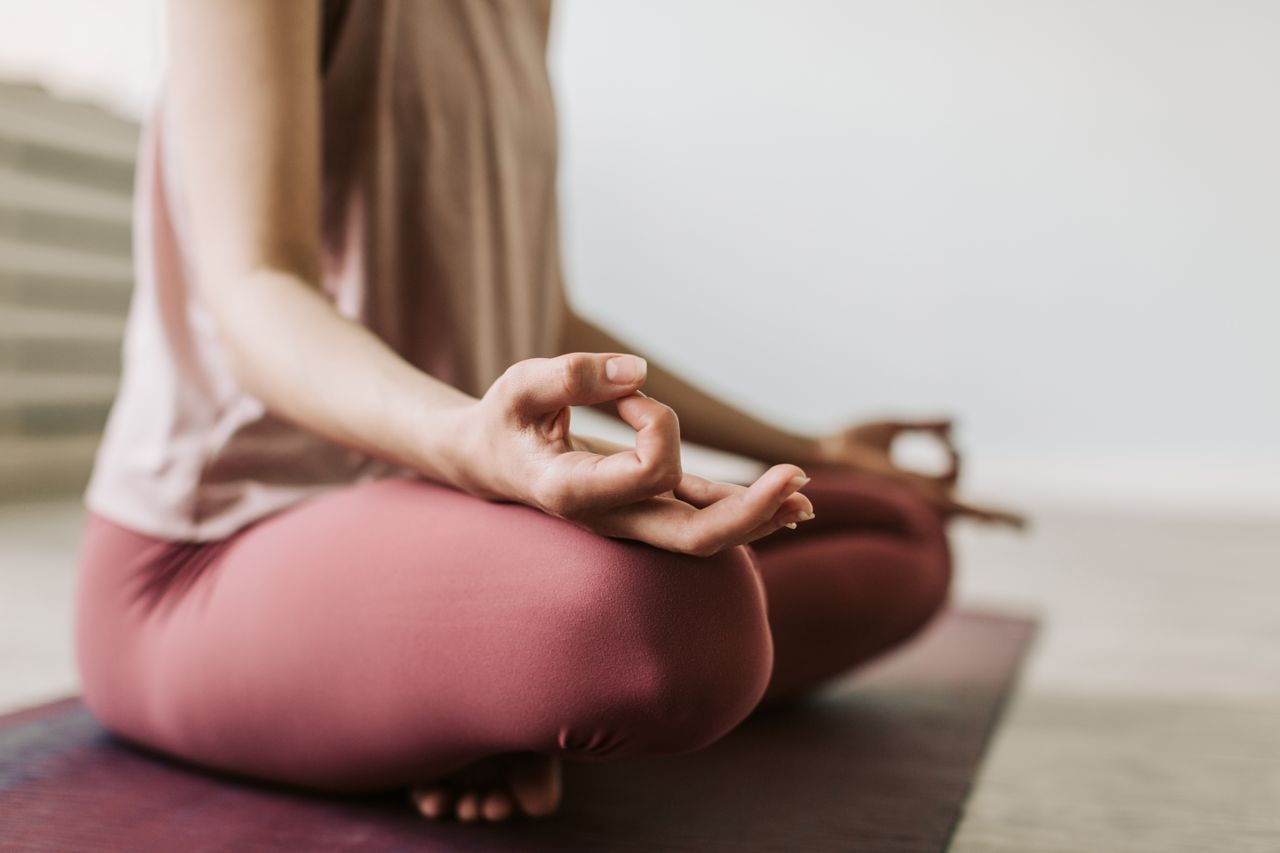
What Are Mindfulness and Meditation?
Although mindfulness and meditation are closely connected, they are not exactly the same.
Mindfulness is the practice of paying attention to the present moment without judgment. It involves noticing your thoughts, feelings, and experiences instead of automatically reacting to them.
Meditation is a structured practice that trains attention and awareness. It often involves focusing on breathing, a specific thought, or a calming activity.
A simple way to think about it: mindfulness is a way of living with awareness, while meditation is one method for developing that awareness.
Reducing Stress and Creating Calm
One of the most recognized benefits of mindfulness and meditation is stress reduction. Modern life often keeps people focused on future worries or past experiences, making it difficult to fully enjoy the present.
Mindfulness encourages people to slow down and observe their thoughts instead of becoming overwhelmed by them.
Benefits may include:
- Greater emotional balance
- Improved ability to handle challenges
- Reduced feelings of tension
- More moments of relaxation
Meditation can act like a reset button for the mind, helping create space between stressful situations and emotional reactions.
Improving Focus and Concentration
With so many distractions around us, maintaining focus has become increasingly difficult. Mindfulness training helps strengthen attention by teaching the brain to return to the present moment.
|
Practice |
Main Benefit |
Example |
|
Breathing Meditation |
Improves awareness and calmness |
Focusing on each breath |
|
Body Scan |
Encourages relaxation |
Paying attention to physical sensations |
|
Mindful Walking |
Builds present-moment awareness |
Noticing movement and surroundings |
|
Guided Meditation |
Supports beginners |
Following structured instructions |
|
Gratitude Practice |
Improves positive thinking |
Reflecting on things you appreciate |
By practicing focused attention regularly, people may find it easier to concentrate during work, study, or daily activities.
Supporting Emotional Well-Being
Emotions are a natural part of life, but learning how to manage them can improve relationships and decision-making.
Mindfulness helps people:
- Recognize emotional patterns
- Respond instead of reacting immediately
- Develop self-awareness
- Practice compassion toward themselves and others
Instead of being controlled by every thought or feeling, mindfulness creates a chance to pause and choose how to respond.
Improving Sleep Quality
Many people struggle with sleep because their minds remain active at night. Thoughts about responsibilities, worries, or unfinished tasks can make it difficult to relax.
Meditation practices before bedtime may help by:
- Creating a calming routine
- Reducing mental activity
- Encouraging relaxation
- Helping the body prepare for rest
A few minutes of quiet reflection can become a signal that it is time to slow down.
Supporting Physical Health
Although mindfulness focuses on mental awareness, it can also influence physical well-being. Stress affects many systems in the body, and managing stress may support overall health.
Potential benefits include:
- Lower stress levels
- Better relaxation
- Improved awareness of body signals
- Healthier lifestyle choices
Mindfulness can encourage people to pay more attention to how they treat their bodies.
Increasing Self-Awareness
One of the most valuable benefits of meditation is developing a better understanding of yourself.
Regular practice can help you notice:
- Repeating thought patterns
- Emotional triggers
- Personal values
- Habits and reactions
This awareness can support personal growth because change often begins with understanding.
Enhancing Creativity and Problem-Solving
A busy mind can make it difficult to think clearly. Mindfulness creates mental space that may support creativity and fresh perspectives.
By reducing distractions, meditation can help people:
- Approach problems calmly
- Generate new ideas
- Think more clearly
- Make thoughtful decisions
Sometimes the best ideas appear when the mind finally has room to breathe.
Making Mindfulness Part of Daily Life
Many people believe meditation requires long sessions, but even small moments of awareness can be valuable.
Simple ways to practice mindfulness include:
- Taking a few mindful breaths
- Paying attention while eating
- Walking without distractions
- Observing thoughts without judgment
- Practicing gratitude
Consistency matters more than duration. A few minutes every day can create meaningful changes over time.
Common Challenges for Beginners
Starting a mindfulness practice may feel difficult at first. Many beginners experience:
- A busy mind
- Difficulty staying focused
- Impatience with progress
- Uncertainty about techniques
These experiences are normal. Meditation is not about having no thoughts—it is about learning how to relate to thoughts differently.
The Future of Mindfulness Practices
As interest in mental well-being continues to grow, mindfulness and meditation are becoming more accessible through:
- Mobile meditation apps
- Workplace wellness programs
- Online courses
- Digital mindfulness tools
Technology is helping more people discover simple practices that can fit into everyday routines.

Conclusion
Mindfulness and meditation offer powerful benefits for improving mental clarity, emotional balance, and overall quality of life. These practices help people slow down, understand themselves better, and respond to life’s challenges with greater awareness.
You do not need hours of practice to experience the benefits. By creating small moments of mindfulness each day, you can build a calmer, more focused, and more balanced approach to everyday living.
Frequently Asked Questions
Some people notice improvements in calmness and awareness quickly, while deeper benefits often develop through consistent long-term practice.


Was This Article Helpful?
Click on a star to rate it!
Thank you for your vote!

Average Rating: 0/5 Votes: 0
Be the first to rate this post!

Proficient background in project planning, execution, and continuous improvement. Experienced in analyzing ideas and forecasting project success, defining requirements and timelines, and managing communication across cross-functional teams. Skilled in creating and maintaining project documentation, automating processes, and making data-driven decisions in critical situations.
View LinkedIn ProfileLatest Posts

How Individuals Can Support Animal Protection: Simple Actions That Create Change

The Role of Consumers in Sustainability: How Everyday Choices Can Create Change

Human Rights Challenges in Conflict Zones: Protecting People During Crisis