Building Resilience in Difficult Times
Life is filled with unexpected challenges, changes, and moments of uncertainty. While difficult experiences are a natural part of being human, the ability to adapt and recover can make a significant difference in how people handle them.
This ability is known as resilience. Resilience does not mean avoiding problems or never experiencing stress. Instead, it means developing the skills, mindset, and support systems needed to face challenges, learn from experiences, and continue moving forward.
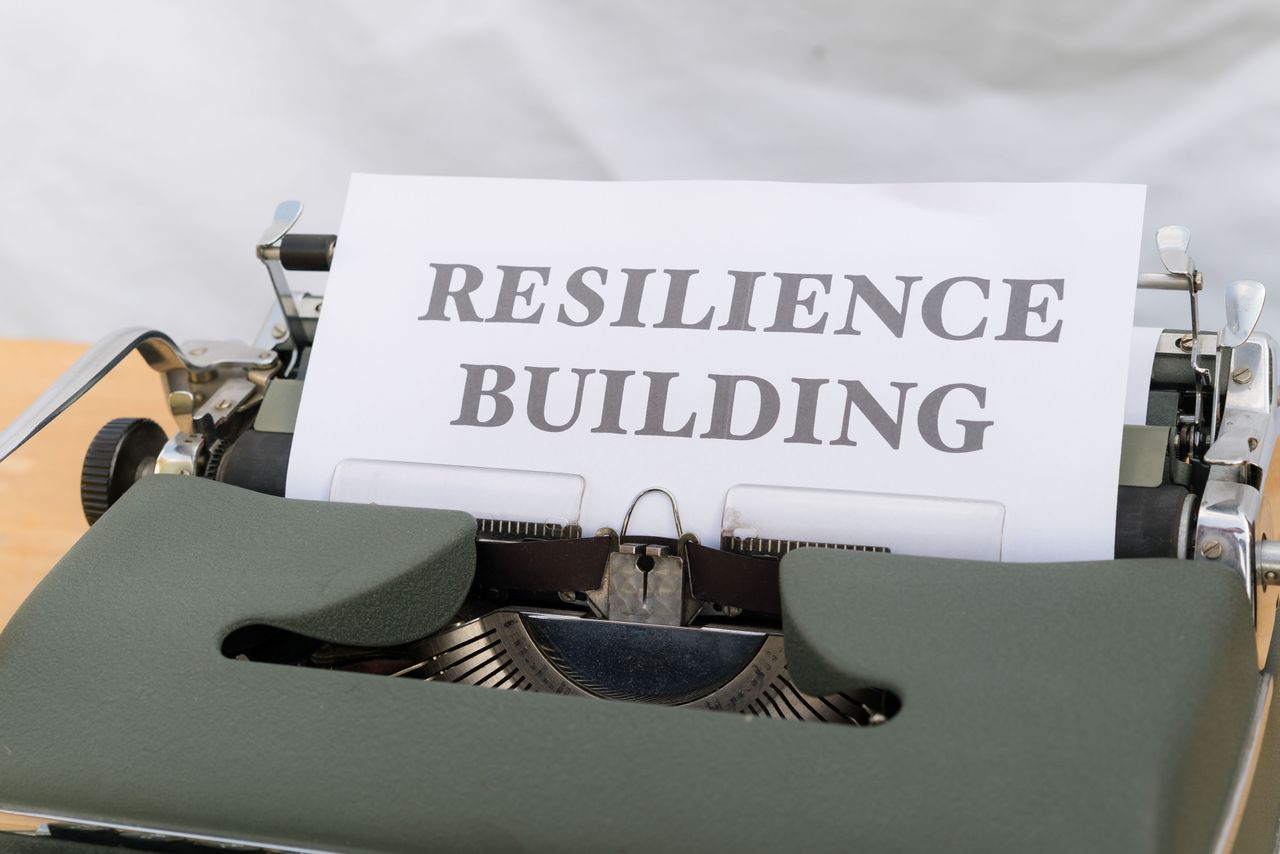
What Is Resilience?
Resilience is the ability to cope with difficult situations and adapt to change while maintaining emotional balance.
A resilient person can:
- Manage stress more effectively
- Recover after setbacks
- Find solutions during challenges
- Maintain hope during uncertainty
- Learn from difficult experiences
Resilience is not a fixed personality trait—it is a skill that can be developed through practice and experience.
Why Resilience Matters
Challenges can affect many areas of life, including:
- Emotional well-being
- Relationships
- Career goals
- Personal confidence
- Decision-making
Developing resilience helps people respond to difficulties with greater flexibility instead of feeling completely overwhelmed.
Table: Key Elements of Resilience
|
Resilience Skill |
How It Helps |
|
Positive Mindset |
Encourages hope and problem-solving |
|
Emotional Awareness |
Helps manage feelings effectively |
|
Adaptability |
Makes it easier to handle change |
|
Strong Relationships |
Provides support during difficult moments |
|
Self-Care |
Protects physical and mental energy |
|
Goal Setting |
Creates direction during uncertainty |
Accept That Challenges Are Part of Life
One of the first steps toward resilience is accepting that difficulties are unavoidable.
Trying to completely avoid challenges can create additional stress. Instead, recognizing that setbacks are a normal part of life allows people to focus energy on finding solutions.
Acceptance does not mean giving up. It means acknowledging reality and choosing how to respond.
Develop a Growth Mindset
A growth mindset is the belief that abilities and strengths can improve through learning and effort.
During difficult times, a growth mindset encourages questions like:
- What can I learn from this experience?
- What skills can I develop?
- What steps can I take next?
Viewing challenges as opportunities for growth can help transform difficult moments into valuable lessons.
Focus on What You Can Control
Many stressful situations involve things that are outside our control.
Resilient people learn to separate:
Things they can influence:
- Their actions
- Their attitude
- Their decisions
- Their daily routines
Things they cannot control:
- Other people’s choices
- Past events
- Unexpected circumstances
Focusing attention on controllable actions helps reduce feelings of helplessness.
Build Strong Support Networks
Relationships are one of the most important sources of resilience.
Support can come from:
- Family members
- Friends
- Colleagues
- Mentors
- Community groups
Talking with trusted people can provide emotional support, new perspectives, and practical solutions.
Resilience does not mean handling everything alone.
Practice Emotional Awareness
Understanding emotions helps people respond to challenges more effectively.
Useful practices include:
- Identifying feelings
- Writing in a journal
- Taking time to reflect
- Practicing mindfulness
- Communicating emotions openly
Recognizing emotions is the first step toward managing them.
Create Healthy Daily Routines
During difficult periods, maintaining basic routines can provide stability.
Helpful habits include:
- Getting enough sleep
- Eating balanced meals
- Staying physically active
- Maintaining regular schedules
- Taking breaks to recharge
Small routines create a sense of control when other areas of life feel uncertain.
Set Small, Achievable Goals
Large challenges can feel overwhelming when viewed all at once.
Breaking goals into smaller steps makes progress easier.
For example:
Instead of thinking:
"I need to completely change my situation."
Focus on:
- One task today
- One improvement this week
- One step toward a solution
Small achievements build confidence and motivation.
Learn From Past Experiences
Previous challenges can provide valuable lessons.
Reflecting on past situations can help identify:
- Strengths you discovered
- Strategies that worked
- Mistakes to avoid
- Skills you developed
Remembering past successes can build confidence during new difficulties.
Practice Self-Compassion
People often become their own biggest critics during stressful times.
Self-compassion means treating yourself with the same kindness you would offer a friend.
It involves:
- Accepting imperfections
- Recognizing personal efforts
- Allowing time for recovery
- Avoiding harsh self-judgment
Being kind to yourself can improve emotional strength.
Find Meaning During Difficult Experiences
Many people discover new values, strengths, or perspectives after facing challenges.
Finding meaning can involve:
- Helping others
- Appreciating important relationships
- Discovering new priorities
- Developing personal strengths
Meaning does not remove difficulties, but it can help people move through them with greater purpose.
How to Strengthen Resilience Every Day
Resilience grows through regular practice.
Simple daily actions include:
- Reflecting on positive moments
- Practicing gratitude
- Maintaining healthy habits
- Learning new skills
- Connecting with others
- Preparing for future challenges
Small actions create stronger emotional foundations over time.
The Future of Resilience in Modern Life
As the world continues changing, resilience will remain an important skill.
Future approaches may include:
- Greater focus on emotional education
- Workplace wellness programs
- Digital tools for stress management
- Community-based support systems
- More awareness of mental well-being
The ability to adapt and recover will continue to help people navigate personal and global challenges.
Conclusion
Building resilience is about developing the strength to face difficulties while continuing to grow. Challenges may be unavoidable, but the way people respond to them can be shaped through awareness, healthy habits, support, and a positive mindset.
The takeaway: resilience is not about never struggling—it is about learning how to recover, adapt, and move forward when life becomes difficult.
Frequently Asked Questions
Building resilience is an ongoing process. Small consistent changes can gradually improve your ability to handle challenges.


Was This Article Helpful?
Click on a star to rate it!
Thank you for your vote!

Average Rating: 0/5 Votes: 0
Be the first to rate this post!

Expert in backend development and database architecture. Specializes in building, optimizing, and maintaining scalable PHP applications, designing efficient database structures, and ensuring data integrity and performance. Experienced in working with relational databases, writing optimized queries, and integrating backend systems with APIs and business logic to support reliable, high-performance web solutions.
View LinkedIn ProfileLatest Posts

Conflict Resolution in Relationships
How to Develop a Growth Mindset

How Diet Affects Energy Levels