Traditional Recipes From Around the World: Exploring Global Flavors and Culinary Heritage
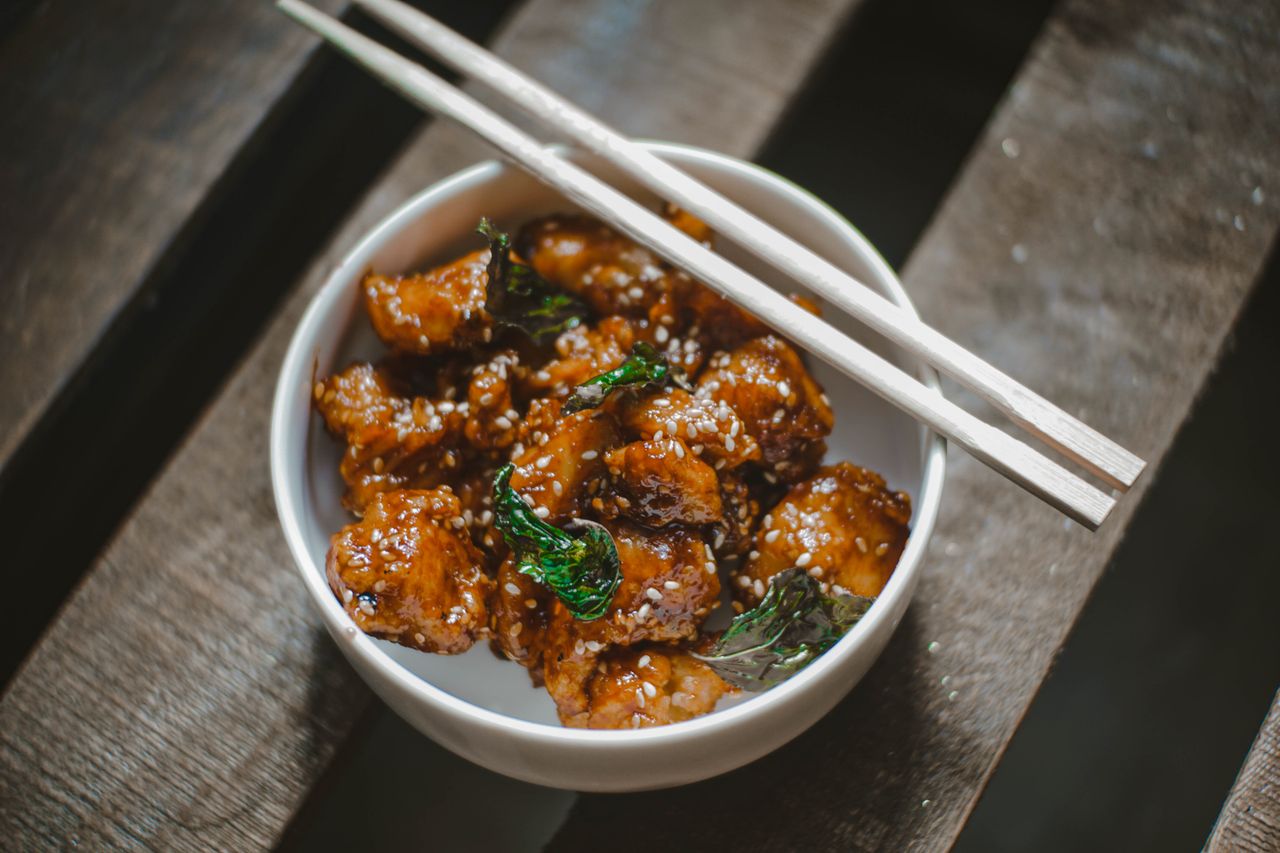
Food is more than something we eat—it is a reflection of history, culture, and the people who create it. Every country has traditional recipes that tell stories about local ingredients, family traditions, celebrations, and generations of cooking knowledge.
Exploring traditional recipes from around the world allows us to experience different cultures through flavors, techniques, and shared meals. A simple dish can reveal the lifestyle, environment, and traditions of an entire community.
So, which recipes have become symbols of their cultures, and what makes them special?
Why Traditional Recipes Matter
Traditional dishes are often passed down from one generation to another. They preserve memories and connect people with their heritage.
These recipes represent:
- Cultural identity
- Family traditions
- Local ingredients
- Historical influences
- Community celebrations
A recipe is like a story written with flavors. Every ingredient and cooking method has a reason behind it.
Italian Pasta: A Symbol of Simplicity and Tradition
Italian cuisine is famous worldwide, and pasta is one of its most recognizable dishes. While pasta comes in countless varieties, traditional recipes often focus on simple ingredients prepared with care.
Popular Italian dishes include:
- Pasta carbonara
- Lasagna
- Ravioli
- Pesto pasta
The philosophy behind many Italian recipes is that high-quality ingredients do not need complicated preparation to create amazing flavors.
|
Country |
Traditional Dish |
Key Ingredients |
Cultural Importance |
|
Italy |
Pasta |
Flour, eggs, sauces |
Represents family meals and regional traditions |
|
Japan |
Sushi |
Rice, seafood, vegetables |
Reflects precision and seasonal ingredients |
|
Mexico |
Tacos |
Tortillas, fillings, spices |
Connects food with community and street culture |
|
India |
Curry |
Spices, vegetables, meat, herbs |
Shows regional diversity and culinary history |
|
Greece |
Moussaka |
Eggplant, meat, béchamel |
Represents Mediterranean cooking traditions |
Japanese Sushi: The Art of Balance
Japanese cuisine is known for attention to detail, and sushi is one of its most famous examples.
Traditional sushi combines:
- Seasoned rice
- Fresh seafood
- Vegetables
- Careful preparation techniques
More than just a meal, sushi represents Japanese values of balance, simplicity, and respect for ingredients.
The focus is not only on taste but also on presentation and experience.
Mexican Tacos: Food as Community
Tacos are a perfect example of how traditional food can bring people together. Originating from Mexico, tacos have evolved into countless regional variations.
Traditional tacos may include:
- Corn tortillas
- Meat or vegetables
- Fresh herbs
- Salsa
- Spices
Tacos are often enjoyed as a social meal, whether at family gatherings, local markets, or street food stands.
Indian Curry: A Celebration of Spices
Indian cuisine is known for its rich flavors and incredible variety. Curry dishes differ greatly depending on the region, climate, and cultural influences.
Common ingredients include:
- Turmeric
- Ginger
- Garlic
- Chili
- Local herbs and spices
Indian recipes often represent generations of culinary knowledge, with families passing down unique spice combinations and cooking techniques.
Greek Moussaka: Mediterranean Comfort Food
Greek cuisine combines fresh ingredients with traditional cooking methods. Moussaka is a classic dish made with layers of vegetables, meat, and creamy sauce.
It reflects Mediterranean food traditions that emphasize:
- Fresh produce
- Olive oil
- Herbs
- Balanced flavors
Many Greek dishes are designed to be shared, making food an important part of social life.
The Importance of Local Ingredients
Traditional recipes often developed based on what was available locally. Geography, climate, and agriculture influenced the foods people created.
For example:
- Coastal regions often use seafood
- Farming communities rely on grains and vegetables
- Mountain areas may use preserved foods and hearty ingredients
Local ingredients give traditional dishes their unique character.
Family Recipes and Cultural Memories
Many traditional recipes are not found in restaurants—they exist in family kitchens.
Family recipes often include:
- Special techniques
- Personal adjustments
- Secret ingredients
- Emotional connections
A grandmother’s recipe or a holiday meal can carry memories that connect generations.
How Globalization Has Changed Traditional Food
Today, traditional recipes travel across borders and become part of global food culture.
This has created:
- International restaurants
- New recipe variations
- Cultural exchange
- Greater appreciation of global cuisine
While recipes may change over time, their cultural roots remain important.
Preserving Culinary Traditions
As lifestyles change, preserving traditional recipes becomes increasingly valuable.
Ways to protect culinary heritage include:
- Teaching younger generations
- Documenting recipes
- Supporting local food producers
- Celebrating cultural festivals
Food traditions survive when people continue sharing them.
The Future of Global Cuisine
The future of food will likely combine tradition with innovation. Chefs and home cooks are finding new ways to respect classic recipes while adapting them for modern lifestyles.
Future culinary trends may include:
- Sustainable ingredients
- Plant-based versions of traditional dishes
- Digital recipe sharing
- Cross-cultural cooking experiences
Traditional food will continue evolving while keeping its connection to history and culture.
Conclusion
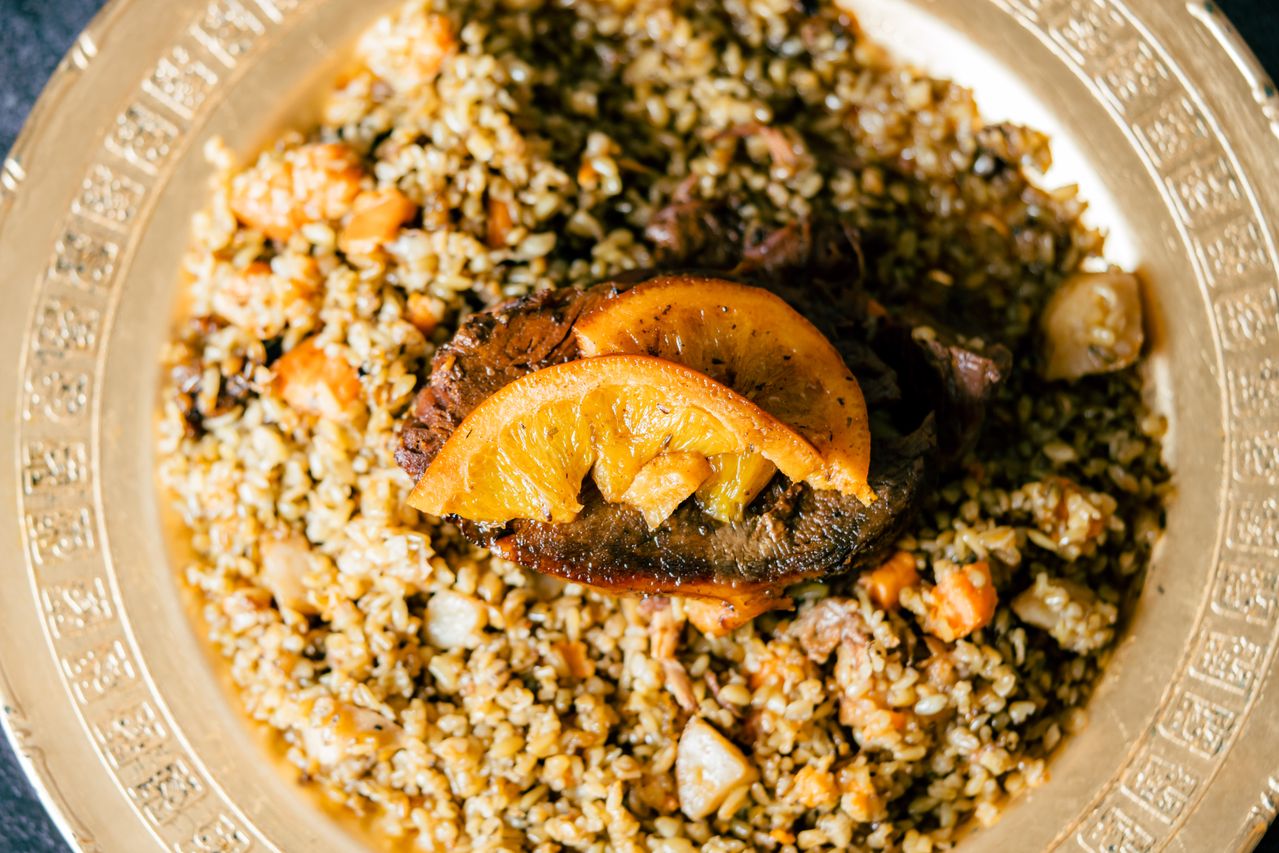
Traditional recipes from around the world offer much more than delicious flavors. They represent stories, traditions, and connections between people and places.
From Italian pasta and Japanese sushi to Mexican tacos and Indian curry, every dish carries a piece of cultural history. Exploring global cuisine allows us to understand different communities and appreciate the creativity behind the food we enjoy.
Food has the unique ability to bring people together—and every traditional recipe is an invitation to discover a new culture.
Frequently Asked Questions
People can preserve recipes by cooking them, sharing them with others, recording family methods, and supporting cultural food traditions.


Was This Article Helpful?
Click on a star to rate it!
Thank you for your vote!

Average Rating: 0/5 Votes: 0
Be the first to rate this post!

Strong engineering background in mobile and backend development. Focusing on building scalable products, improving development processes — from architecture and APIs to UX redesigns, monetization, and analytics. Responsible for applications with 1M+ downloads and multi-project ecosystems.
View LinkedIn ProfileLatest Posts

How Individuals Can Support Animal Protection: Simple Actions That Create Change

The Role of Consumers in Sustainability: How Everyday Choices Can Create Change

Human Rights Challenges in Conflict Zones: Protecting People During Crisis