Budget-Friendly Recipes for Families
Feeding a family doesn't have to mean spending a lot of money. With a little planning, simple ingredients can become filling meals that everyone can enjoy.
The trick is to focus on affordable staples, use ingredients in more than one meal, and choose recipes that don't require a long list of expensive products. From one-pot dinners to simple pasta dishes, budget-friendly cooking can still be varied and satisfying.
Plan Meals Around Affordable Staples
Before deciding what to cook, look at ingredients that are already in your kitchen.
Rice, pasta, potatoes, oats, beans, lentils, eggs, seasonal vegetables, and canned tomatoes can form the base of many inexpensive meals. Buying these staples in larger packages can also be useful when you know your family will use them.
A good starting point is to choose a few main ingredients and build several meals around them.
Easy One-Pot Pasta
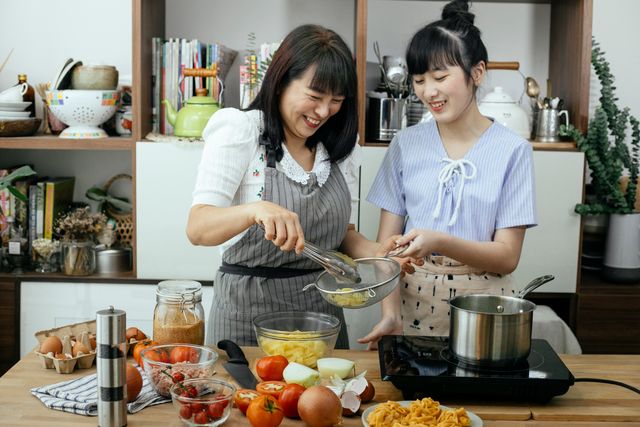
One-pot pasta is convenient because you can cook everything together and avoid using several pans.
Try combining pasta with canned tomatoes, onions, garlic, seasonal vegetables, and a modest amount of cheese. Add beans or leftover chicken if you want more protein.
You can also change the vegetables depending on what you already have. This makes the recipe flexible and helps prevent food from going unused.
Hearty Lentil Soup
Lentils are an affordable ingredient that works particularly well in soups and stews.
For a simple family soup, combine lentils with carrots, onions, potatoes, canned tomatoes, and spices. Simmer everything until the vegetables and lentils are tender.
Serve it with bread for a filling meal. Leftovers can usually be reheated for another lunch or dinner.
Homemade Vegetable Fried Rice
Leftover cooked rice can become a completely different meal the next day.
Cook the rice with frozen or fresh vegetables, an egg, garlic, and a small amount of soy sauce or another seasoning. You can add leftover chicken or another protein if available.
Using leftover rice and vegetables is an easy way to turn ingredients that might otherwise be forgotten into dinner.
Baked Potatoes With Simple Toppings
Potatoes are inexpensive, versatile, and easy to prepare.
Bake several potatoes and let everyone choose their own toppings. Options can include beans, grated cheese, corn, leftover vegetables, yogurt, or cooked chicken.
This approach is especially useful for families with different preferences because everyone can build their own meal.
Family-Friendly Chicken Tray Bake
A tray bake can combine protein and vegetables in one dish.
Place chicken pieces, potatoes, carrots, onions, and other affordable vegetables on a baking tray. Add oil and seasonings, then roast until everything is cooked through.
The recipe is easy to adjust based on what's on sale or already available at home.
Budget-Friendly Breakfast Ideas
Breakfast doesn't have to be expensive or complicated.
Oatmeal, eggs, toast, bananas, homemade pancakes, and yogurt with seasonal fruit can all work well for family breakfasts.
|
Meal |
Affordable Main Ingredients |
Easy Additions |
|
Lentil soup |
Lentils, potatoes, carrots |
Bread, herbs |
|
One-pot pasta |
Pasta, tomatoes, onions |
Beans, vegetables, cheese |
|
Fried rice |
Rice, eggs, vegetables |
Chicken, soy sauce |
|
Baked potatoes |
Potatoes, beans |
Cheese, corn, yogurt |
|
Oatmeal |
Oats, milk or water |
Banana, apple, nuts |
|
Chicken tray bake |
Chicken, potatoes, carrots |
Seasonal vegetables |
Make Ingredients Work Twice
One of the easiest ways to reduce food waste is to plan meals around leftovers.
For example, roast extra chicken for dinner and use the leftovers in sandwiches, wraps, pasta, or fried rice the next day.
Cooked vegetables can become part of an omelet, soup, or pasta sauce. Extra rice can be turned into fried rice.
Thinking about tomorrow's meal while cooking today's dinner can save both time and money.
Use Seasonal and Frozen Vegetables
Fresh produce can become expensive when certain foods are out of season.
Seasonal vegetables are often a practical choice, while frozen vegetables can be useful because they last longer and require little preparation.
Frozen peas, carrots, spinach, broccoli, and mixed vegetables can be added to soups, pasta, rice dishes, omelets, and casseroles.
Try Meatless Meals
You don't need meat in every family dinner.
Beans, lentils, chickpeas, eggs, and other affordable protein sources can form the base of satisfying meals. Try bean chili, lentil curry, vegetable omelets, chickpea pasta, or bean-and-rice bowls.
Having a few meatless meals each week can add variety while helping control the grocery budget.
Cook Larger Portions
Cooking a larger batch can make busy weekdays easier.
A big pot of soup, chili, pasta sauce, or stew can provide several meals. You can refrigerate the leftovers for the next day or freeze portions for later.
Just make sure leftovers are cooled, stored, and reheated safely according to standard food-safety practices.
Keep Recipes Flexible
A budget-friendly recipe shouldn't require one exact list of ingredients.
If a recipe calls for zucchini but you have carrots, use carrots. If you don't have fresh herbs, dried herbs may work. If chicken is expensive that week, consider beans or lentils instead.
Learning to substitute ingredients makes cooking more flexible and reduces unnecessary grocery purchases.

Conclusion
Budget-friendly family cooking is less about finding the cheapest possible recipe and more about making smart use of what you buy.
Affordable staples, leftovers, seasonal produce, frozen vegetables, and flexible recipes can turn simple ingredients into satisfying meals. With a little planning, you can reduce food waste, save money, and still give your family plenty of variety.
Frequently Asked Questions
Plan several meals before shopping, check what you already have, store leftovers properly, and choose recipes that reuse ingredients across multiple meals.


Was This Article Helpful?
Click on a star to rate it!
Thank you for your vote!

Average Rating: 0/5 Votes: 0
Be the first to rate this post!

Tech entrepreneur & digital strategist with over 9 years of experience in backend development and more than 5 years in executive leadership. Education Software and Web developer. More than 20 years of experience in software and web development.
View LinkedIn ProfileLatest Posts

Marine Life Conservation Initiatives
Sustainable Agriculture and Food Systems

Gender Equality and Human Rights Progress