Article Plan
- Cooking Is a Combination of Art and Science
- The Role of Heat in Cooking
- The Maillard Reaction: Creating Deep Flavors
- How Ingredients Transform During Cooking
- The Importance of Temperature Control
- The Science of Flavor Balance
- Why Texture Matters
- The Role of Fermentation in Cooking
- Baking: Where Precision Matters Most
- How Understanding Science Improves Cooking Skills
- The Future of Cooking Science
- Conclusion
- Frequently Asked Questions
The Science Behind Great Cooking: How Chemistry and Technique Create Amazing Food
Cooking is often seen as an art, but behind every delicious meal there is also a fascinating world of science. The way ingredients react, change texture, and develop flavors depends on chemistry, physics, and careful technique.
Understanding the science behind great cooking can help anyone become a better cook. You do not need to be a professional chef to use scientific principles—you simply need to understand what happens when food is prepared.
So, what makes a dish taste amazing, and how does science help create better results?
Cooking Is a Combination of Art and Science
Great cooking requires creativity, but successful recipes also depend on understanding how ingredients behave.
Science explains:
- Why bread rises
- Why meat becomes tender
- How flavors combine
- Why temperatures matter
- How textures develop
A recipe is like a formula, but a skilled cook knows how to adjust the ingredients and techniques to create the desired result.
The Role of Heat in Cooking
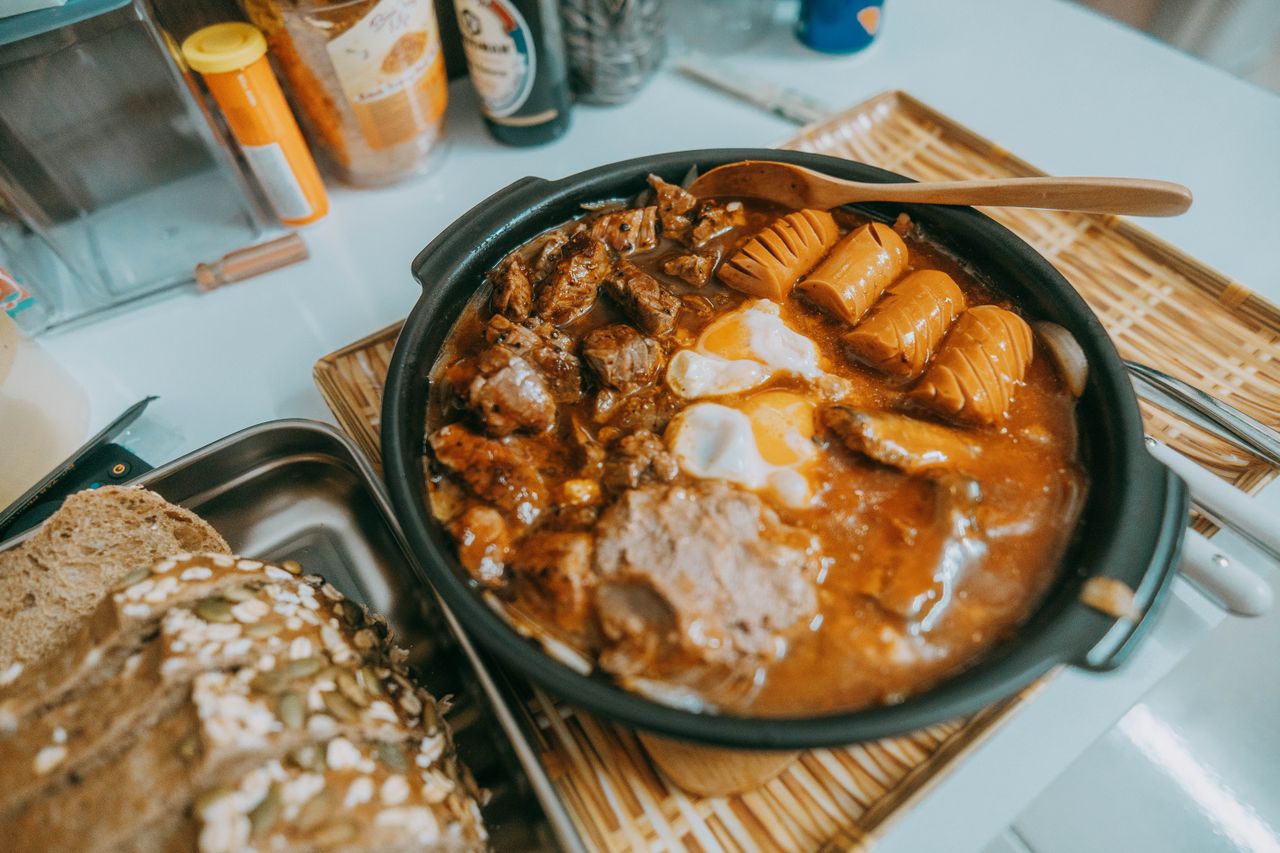
Heat is one of the most important elements in cooking. It changes food by affecting its structure, moisture, and flavor.
Different cooking methods create different results:
- Roasting creates browning and deeper flavors
- Boiling softens ingredients
- Grilling adds smoky flavors
- Steaming preserves moisture
- Frying creates crisp textures
|
Cooking Process |
Scientific Effect |
Example Result |
|
Maillard Reaction |
Creates new flavor compounds |
Brown crust on bread or meat |
|
Caramelization |
Breaks down sugars |
Sweet, rich flavors in onions |
|
Protein Changes |
Alters structure |
Eggs becoming firm when cooked |
|
Emulsification |
Combines liquids and fats |
Smooth sauces |
|
Fermentation |
Uses microorganisms |
Yogurt, bread, pickles |
Understanding heat allows cooks to choose the right method for each ingredient.
The Maillard Reaction: Creating Deep Flavors
One of the most important scientific processes in cooking is the Maillard reaction. It occurs when proteins and sugars react under heat, creating new flavors and aromas.
This process is responsible for:
- Golden-brown bread crusts
- Grilled meat flavors
- Roasted coffee aromas
- Crispy roasted vegetables
The difference between boiled and roasted food often comes down to this reaction.
It is one reason why a perfectly browned dish feels more flavorful and satisfying.
How Ingredients Transform During Cooking
Cooking changes ingredients at a molecular level.
For example:
Proteins:
Heat causes proteins to change structure, which affects texture. This is why raw eggs become firm when cooked.
Starches:
Foods like rice and potatoes absorb water and soften as starches expand.
Fats:
Fats carry flavors and influence texture, making foods feel richer.
Knowing these transformations helps cooks control the final result.
The Importance of Temperature Control
Temperature can determine whether a dish succeeds or fails.
Too much heat can cause:
- Burned surfaces
- Dry textures
- Loss of delicate flavors
Too little heat can result in:
- Uneven cooking
- Poor texture
- Lack of flavor development
Professional chefs pay close attention to temperature because small differences can create major changes.
The Science of Flavor Balance
Great cooking is not only about following recipes—it is about balancing flavors.
The main taste categories include:
- Sweet
- Salty
- Sour
- Bitter
- Umami
|
Flavor Element |
Purpose in Cooking |
Common Sources |
|
Sweet |
Adds richness and balance |
Fruits, honey, sugar |
|
Salty |
Enhances other flavors |
Salt, soy sauce |
|
Sour |
Adds freshness |
Citrus, vinegar |
|
Bitter |
Creates complexity |
Greens, spices |
|
Umami |
Adds depth |
Mushrooms, cheese, meat |
A great dish usually combines several flavors instead of relying on just one.
Why Texture Matters
Taste is not the only thing that makes food enjoyable. Texture plays a major role in how we experience meals.
Examples of texture combinations:
- Crispy vegetables with creamy sauces
- Soft bread with crunchy toppings
- Tender meat with fresh sides
The best dishes often create contrast, making each bite more interesting.
The Role of Fermentation in Cooking
Fermentation is an ancient technique that uses microorganisms to transform food.
It creates unique flavors in foods such as:
- Yogurt
- Cheese
- Kimchi
- Sourdough bread
- Pickles
Fermentation adds complexity and has been used by cultures around the world for centuries.
Baking: Where Precision Matters Most
Baking is one area where science is especially important. Unlike many cooking styles, baking often requires precise measurements because chemical reactions determine the final product.
Important factors include:
- Ingredient ratios
- Temperature
- Mixing methods
- Rising time
For example, yeast produces gases that help dough expand, while baking powder creates chemical reactions that make cakes and pastries rise.
How Understanding Science Improves Cooking Skills
Learning cooking science helps people become more confident in the kitchen.
It allows cooks to:
- Fix mistakes
- Adjust recipes
- Experiment creatively
- Understand ingredients
- Improve consistency
Instead of memorizing hundreds of recipes, you learn principles that apply everywhere.
The Future of Cooking Science
Technology continues changing how people prepare food. Modern cooking combines traditional techniques with scientific innovation.
Future developments may include:
- Smart kitchen tools
- Personalized nutrition
- Advanced food technology
- Sustainable cooking methods
However, the foundation remains the same: understanding ingredients and how they interact.
Conclusion
Great cooking is a perfect combination of creativity and science. Every flavor, texture, and transformation has a reason behind it.
By understanding concepts like heat control, chemical reactions, flavor balance, and ingredient behavior, anyone can improve their cooking skills. Science does not take away the creativity of cooking—it gives you more tools to create delicious meals with confidence.
Frequently Asked Questions
Baking often requires more precision because chemical reactions strongly influence the final product.


Was This Article Helpful?
Click on a star to rate it!
Thank you for your vote!

Average Rating: 5/5 Votes: 42
Be the first to rate this post!

Strong engineering background in mobile and backend development. Focusing on building scalable products, improving development processes — from architecture and APIs to UX redesigns, monetization, and analytics. Responsible for applications with 1M+ downloads and multi-project ecosystems.
View LinkedIn ProfileLatest Posts

How Individuals Can Support Animal Protection: Simple Actions That Create Change
The Role of Consumers in Sustainability: How Everyday Choices Can Create Change

Human Rights Challenges in Conflict Zones: Protecting People During Crisis