Meal Prep Strategies for Busy People
When your schedule is packed, cooking every meal from scratch can feel impossible. Work, family, errands, appointments, and unexpected plans can quickly turn "What's for dinner?" into another daily problem.
Meal prep can make things easier. You don't need to spend your entire Sunday cooking dozens of meals. With the right approach, even 30–60 minutes of preparation can make busy weekdays more manageable.
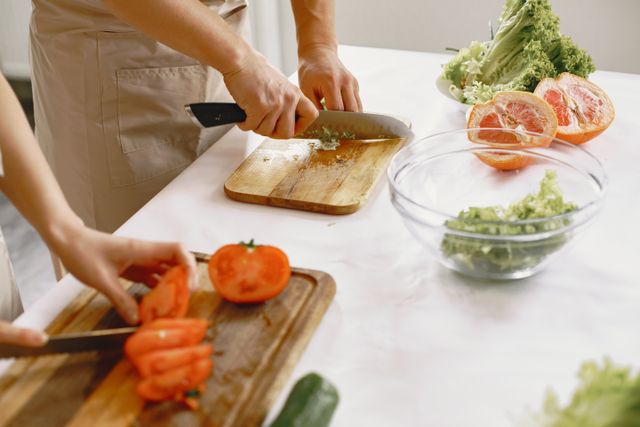
Start With a Simple Meal Plan
Meal prep works best when you know what you're preparing.
You don't need to plan every meal for an entire week. Start with a few dinners and lunches that are easy to repeat or adapt.
For example, you might plan:
- Two quick breakfasts
- Three lunches
- Three dinners
- Two simple snacks
Leave some flexibility for eating out, leftovers, or unexpected changes.
Choose Recipes With Shared Ingredients
Buying completely different ingredients for every meal can make meal prep expensive and time-consuming.
Instead, choose recipes that use some of the same ingredients.
For example, roasted vegetables can be used in grain bowls, wraps, omelets, or pasta. Cooked chicken can work in salads, sandwiches, rice bowls, and soups.
This reduces both shopping and preparation time.
Prep Ingredients Instead of Complete Meals
You don't always need to cook seven finished meals.
Sometimes it's easier to prepare ingredients separately. Cook a batch of rice, wash and cut vegetables, prepare a protein source, and make one or two sauces.
Then you can combine them differently throughout the week.
This gives you variety without requiring completely different cooking sessions.
Use a Weekly Meal Prep System
A consistent system can make meal preparation much easier.
|
Prep Strategy |
What You Do |
Best For |
|
Full meals |
Cook complete portions in advance |
Very busy weekdays |
|
Ingredient prep |
Prepare individual ingredients |
More variety |
|
Batch cooking |
Make large amounts of one dish |
Families or leftovers |
|
Freezer prep |
Freeze meals or ingredients |
Longer-term planning |
|
Quick prep |
Wash, chop, and portion ingredients |
Short preparation sessions |
You can combine several methods depending on your schedule.
Keep Breakfast Simple
Breakfast doesn't need to be a complicated recipe.
Overnight oats, boiled eggs, yogurt with fruit, smoothies, and prepared sandwiches can all be convenient options.
If you prefer hot breakfasts, prepare components ahead of time. For example, cook vegetables or make a batch of oatmeal that can be reheated.
The goal is to remove unnecessary decisions from busy mornings.
Prepare Lunches in Advance
Lunch is often where meal prep saves the most time.
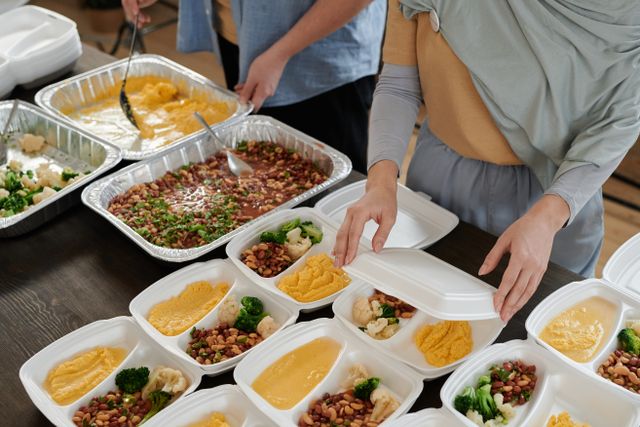
Instead of buying lunch every day or trying to cook during a short break, prepare several portions at once.
Grain bowls, pasta salads, soups, wraps, rice dishes, and roasted vegetable combinations are easy to portion into containers.
Keep sauces or dressings separate when needed to help maintain texture.
Make Dinner Easier With Batch Cooking
Batch cooking is useful when you know you'll be too tired to cook after work.
Make a large pot of chili, soup, curry, stew, or pasta sauce and divide it into portions.
You can eat some immediately, refrigerate portions for the next few days, and freeze the rest if appropriate.
This turns one cooking session into several future meals.
Use Your Freezer
Your freezer can become one of your best meal-prep tools.
You can freeze cooked meals, soups, sauces, bread, chopped ingredients, and some prepared proteins.
Label containers with the name and date so you know what you have available. Freeze food in practical portions rather than one huge container if you expect to use it gradually.
Keep a Few Emergency Meals
Even the best meal plan can fail when something unexpected happens.
Keep a few quick options available for those days. Frozen vegetables, canned beans, eggs, pasta, rice, canned fish, or pre-cooked ingredients can help you put together a meal without starting from zero.
Think of these as your backup plan rather than a failure of meal prep.
Don't Overcomplicate Your Recipes
Meal prep doesn't have to look like a social-media production.
You don't need twelve different containers, complicated recipes, or perfectly portioned meals.
A simple combination of protein, vegetables, carbohydrates, and a sauce can become several different meals. Repeating a favorite meal during the week is perfectly reasonable if it saves time and works for you.
Prep While You Cook
You can also reduce preparation time by multitasking.
While dinner is cooking, wash tomorrow's vegetables. While water boils, portion snacks. While something is baking, prepare a breakfast component.
Small tasks add up.
Instead of treating meal prep as a completely separate activity, make use of the waiting time you already have in the kitchen.
Build a Routine That Fits Your Schedule
There is no single correct meal-prep routine.
Some people prefer one large preparation session each week. Others prepare food twice a week or spend 15 minutes each evening getting ready for the next day.
Start with the amount of preparation you can realistically maintain. A simple system that you actually follow is more useful than an ambitious plan that quickly becomes exhausting.
Conclusion
Meal prep is ultimately about reducing the amount of cooking and decision-making you have to do when you're busy.
Plan a few meals, share ingredients between recipes, prepare components in batches, use your freezer, and keep emergency ingredients available. Most importantly, keep the system flexible.
You don't need to prepare every meal perfectly. Even a small amount of preparation can make busy days easier.
Frequently Asked Questions
No. Basic food-safe containers with secure lids are usually enough. Choose sizes that fit your portions and storage space.


Was This Article Helpful?
Click on a star to rate it!
Thank you for your vote!

Average Rating: 0/5 Votes: 0
Be the first to rate this post!

Expert in backend development and database architecture. Specializes in building, optimizing, and maintaining scalable PHP applications, designing efficient database structures, and ensuring data integrity and performance. Experienced in working with relational databases, writing optimized queries, and integrating backend systems with APIs and business logic to support reliable, high-performance web solutions.
View LinkedIn ProfileLatest Posts

Marine Life Conservation Initiatives

Sustainable Agriculture and Food Systems

Gender Equality and Human Rights Progress