Kitchen Tools Every Cook Should Own: Essential Gear for Easier Cooking
A well-equipped kitchen doesn’t need to be expensive or complicated. In fact, most great cooking happens with a small set of reliable tools used well. Whether you’re a beginner or an experienced home cook, having the right essentials can make cooking faster, safer, and more enjoyable.
Think of kitchen tools as your cooking “support system”—they don’t cook the food, but they make everything easier.
Let’s go through the must-have tools every cook should own.
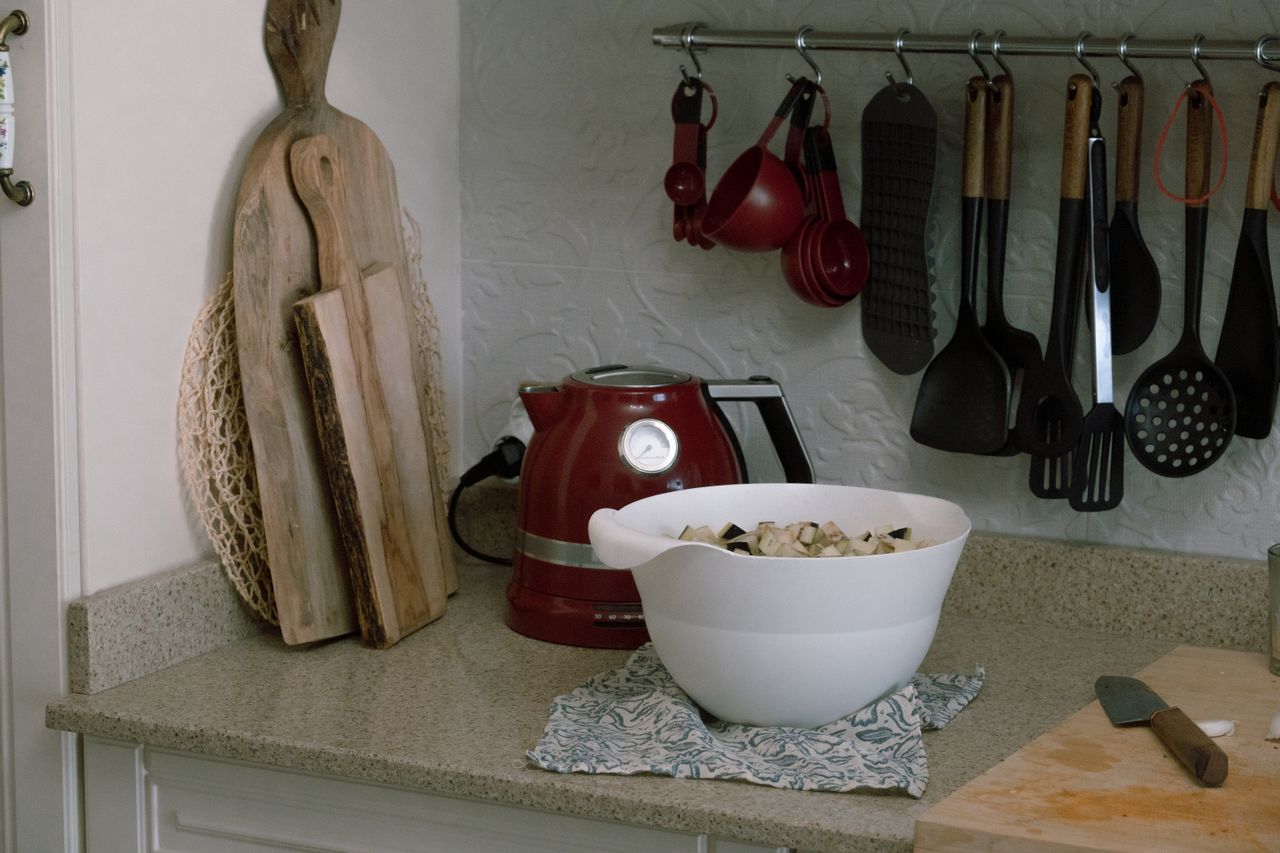
Chef’s Knife (The Most Important Tool)
If you only invest in one kitchen tool, it should be a good chef’s knife.
Why it matters:
- Handles most cutting tasks
- Saves time and effort
- Improves safety with proper control
What it’s used for:
- Chopping vegetables
- Slicing meat
- Dicing herbs and fruits
A sharp knife is actually safer than a dull one because it requires less force.
Cutting Board
A sturdy cutting board protects both your knife and your countertop.
Best types:
- Wooden boards (gentle on knives)
- Plastic boards (easy to clean)
It’s useful to have separate boards for:
- Raw meat
- Vegetables
- Bread or cooked foods
Non-Stick Frying Pan
A good frying pan is essential for everyday cooking.
Why it’s important:
- Easy cooking with less oil
- Simple cleanup
- Great for beginners
Common uses:
- Eggs
- Pancakes
- Stir-frying vegetables
- Quick meals
Saucepan
A saucepan is used for cooking liquids and small portions.
What you can make:
- Soups
- Pasta
- Rice
- Sauces
A medium-sized saucepan is one of the most versatile tools in any kitchen.
Mixing Bowls
Mixing bowls are essential for preparation work.
Uses include:
- Mixing ingredients
- Marinating meat
- Tossing salads
- Baking preparation
Having a set of different sizes is ideal.
Measuring Cups and Spoons
Precision matters, especially in baking.
Why they are useful:
- Ensure accurate ingredient ratios
- Improve recipe consistency
- Prevent cooking mistakes
They are especially important for beginners following recipes.
Wooden Spoon and Spatula
These simple tools are incredibly versatile.
Wooden spoon uses:
- Stirring sauces
- Mixing soups
- Preventing scratches on pans
Spatula uses:
- Flipping food
- Scraping bowls
- Serving dishes
Silicone spatulas are heat-resistant and very practical.
Colander (Strainer)
A colander helps drain liquids easily.
Common uses:
- Draining pasta
- Washing vegetables
- Rinsing fruits
- Straining cooked food
It saves time and keeps cooking cleaner.
Table: Cooking Efficiency Tools
|
Tool |
Benefit |
|
Measuring cups |
Accuracy in recipes |
|
Spatula |
Easy flipping and mixing |
|
Colander |
Quick draining and washing |
|
Wooden spoon |
Heat-safe stirring |
|
Mixing bowls |
Organized prep |
Baking Tray
Even if you’re not a baker, a baking tray is extremely useful.
What you can cook:
- Roasted vegetables
- Chicken or fish
- Cookies and baked goods
- Reheating food evenly
It’s great for oven-based cooking.
Tongs
Tongs act like an extension of your hands in the kitchen.
Why they are helpful:
- Safe handling of hot food
- Better control when grilling
- Easy flipping of meat or vegetables
They’re especially useful for BBQ-style cooking.
Peeler
A simple but important tool for preparation.
Uses:
- Peeling potatoes
- Removing vegetable skins
- Preparing fruits
It saves time compared to using a knife.
Food Storage Containers
Cooking isn’t just about preparation—it’s also about storage.
Benefits:
- Keeps food fresh longer
- Reduces waste
- Helps with meal prep
Look for airtight and microwave-safe containers.
Bonus: Helpful but Optional Tools
If you want to upgrade your kitchen further:
- Blender or food processor
- Digital kitchen scale
- Pressure cooker or instant pot
- Hand mixer
These tools are useful but not essential for beginners.
Tips for Choosing Kitchen Tools
When buying kitchen tools:
- Prioritize quality over quantity
- Choose durable materials (stainless steel, wood, silicone)
- Start with essentials first
- Replace cheap, unsafe tools gradually
A few good tools are better than many low-quality ones.
Conclusion
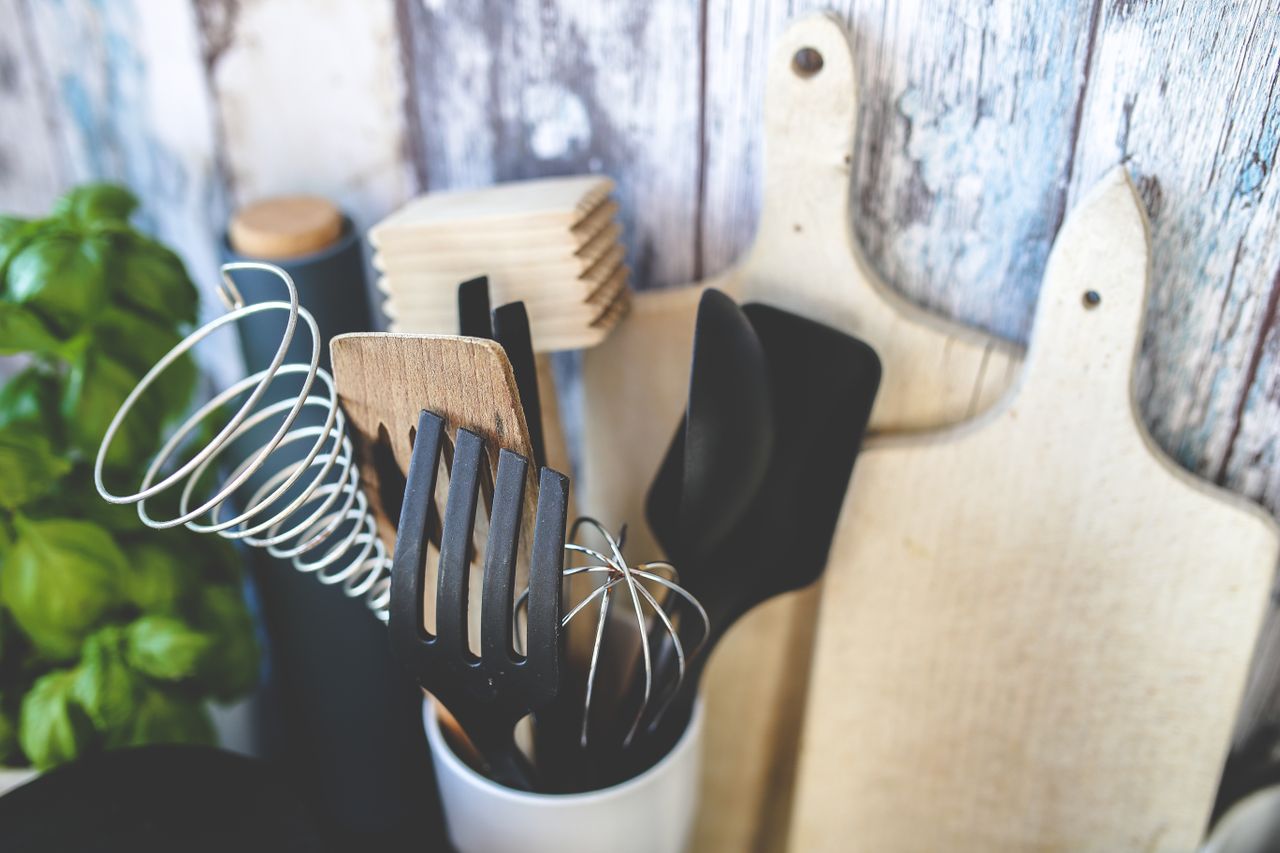
Every cook, whether beginner or experienced, benefits from having a reliable set of kitchen tools. You don’t need a fully equipped professional kitchen—just the essentials that make cooking easier, safer, and more enjoyable. With the right basics like a sharp knife, sturdy pan, and simple utensils, anyone can cook confidently at home.
Great cooking starts with great tools—but grows with practice.
FAQ: Kitchen Tools Every Cook Should Own
Use storage containers, drawers, and separate sections for easy access.


Was This Article Helpful?
Click on a star to rate it!
Thank you for your vote!

Average Rating: 0/5 Votes: 0
Be the first to rate this post!

Proficient background in project planning, execution, and continuous improvement. Experienced in analyzing ideas and forecasting project success, defining requirements and timelines, and managing communication across cross-functional teams. Skilled in creating and maintaining project documentation, automating processes, and making data-driven decisions in critical situations.
View LinkedIn ProfileLatest Posts

How Individuals Can Support Animal Protection: Simple Actions That Create Change
The Role of Consumers in Sustainability: How Everyday Choices Can Create Change

Human Rights Challenges in Conflict Zones: Protecting People During Crisis