Leadership Skills for Future Managers: Building the Leaders of Tomorrow
The role of managers is changing rapidly as workplaces become more digital, diverse, and collaborative. Future managers will need more than technical knowledge—they will need strong leadership abilities to inspire teams, adapt to change, solve complex problems, and create positive work environments.
Effective leadership is no longer only about giving instructions. It is about developing people, building trust, and guiding organizations toward long-term success.

What Makes a Future Manager?
A future manager is someone who can balance business goals with the needs of employees and customers.
Modern managers must be able to:
- Lead diverse teams
- Make informed decisions
- Communicate clearly
- Adapt to new challenges
- Encourage innovation
- Support employee growth
Leadership skills help managers turn individual efforts into collective achievements.
Emotional Intelligence
Emotional intelligence is one of the most important leadership skills for future managers.
It involves:
- Understanding your own emotions
- Recognizing others’ feelings
- Managing reactions effectively
- Showing empathy
- Building stronger relationships
Managers with emotional intelligence create workplaces where employees feel respected and supported.
Effective Communication
Strong communication is the foundation of successful leadership.
Future managers need to:
- Clearly explain goals and expectations
- Listen actively to employees
- Provide constructive feedback
- Handle difficult conversations professionally
- Communicate across different platforms
Good communication reduces confusion and strengthens teamwork.
Adaptability and Change Management
Modern organizations face constant change due to technology, market shifts, and global competition.
Future leaders must be able to:
- Accept uncertainty
- Learn quickly
- Guide teams through transitions
- Encourage flexible thinking
Adaptable managers help organizations remain competitive.
Strategic Thinking
Managers must look beyond daily tasks and understand the bigger picture.
Strategic thinking includes:
- Setting long-term goals
- Identifying opportunities
- Understanding market trends
- Making decisions based on available information
Strong leaders connect everyday actions with broader organizational objectives.
|
Leadership Skill |
Why It Matters |
|
Emotional intelligence |
Builds trust and stronger relationships |
|
Communication |
Improves teamwork and clarity |
|
Adaptability |
Helps manage change effectively |
|
Strategic thinking |
Supports long-term success |
|
Coaching ability |
Develops employee potential |
Coaching and Mentoring
Future managers will increasingly act as coaches rather than just supervisors.
Effective coaching involves:
- Helping employees develop skills
- Providing guidance and feedback
- Encouraging independence
- Recognizing individual strengths
When managers invest in employee growth, teams become more capable and motivated.
Decision-Making Skills
Managers regularly face complex choices that affect people and business outcomes.
Strong decision-making requires:
- Gathering relevant information
- Considering different perspectives
- Evaluating risks
- Taking responsibility for outcomes
Good leaders balance speed with thoughtful analysis.
Collaboration and Team Building
Successful managers know that strong teams produce better results.
Team-building skills include:
- Creating trust
- Encouraging cooperation
- Managing different personalities
- Promoting inclusion
- Celebrating achievements
A collaborative environment allows employees to contribute their best ideas.
Digital Leadership Skills
Technology is transforming how teams work.
Future managers should understand:
- Digital collaboration tools
- Data-driven decision-making
- Remote team management
- Artificial intelligence applications
- Cybersecurity awareness
Digital knowledge helps leaders make better decisions in modern workplaces.
Conflict Resolution
Workplace disagreements are unavoidable. Effective managers address conflicts before they damage relationships or productivity.
Strong conflict resolution involves:
- Listening to all perspectives
- Identifying the root cause
- Finding fair solutions
- Maintaining professionalism
A manager who handles conflict well can strengthen team relationships.
Resilience and Self-Management
Leadership can be demanding, requiring managers to handle pressure while supporting others.
Resilient leaders:
- Stay calm during challenges
- Learn from setbacks
- Maintain motivation
- Manage their own time and energy
Personal discipline allows managers to lead by example.
Developing Leadership Skills
Leadership is not only an inborn quality—it can be developed through practice.
Future managers can improve by:
- Seeking feedback
- Learning from experienced leaders
- Taking leadership training
- Managing projects
- Reflecting on successes and mistakes
Continuous improvement is essential for effective leadership.
Common Leadership Mistakes to Avoid
Future managers should avoid:
- Micromanaging employees
- Ignoring feedback
- Avoiding difficult conversations
- Making decisions without enough information
- Failing to recognize employee contributions
Strong leaders focus on empowering people rather than controlling every action.
The Future of Management
The future workplace will require leaders who are:
- More empathetic
- More adaptable
- More technology-aware
- More focused on employee development
- More open to innovation
Managers who develop these qualities will be better prepared to lead successful organizations.
Conclusion
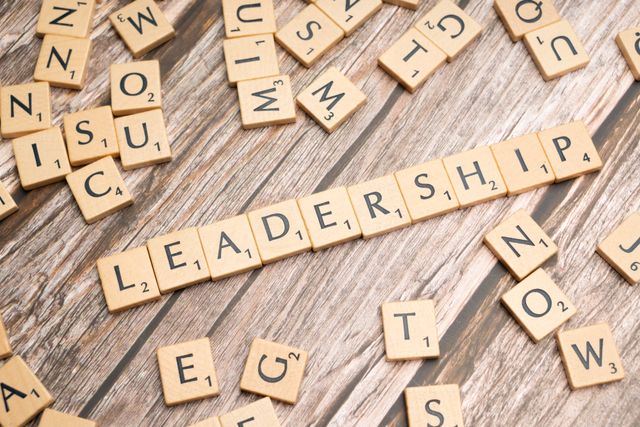
Leadership skills are essential for future managers who want to create effective teams and successful organizations. While technical expertise remains valuable, qualities such as emotional intelligence, communication, adaptability, and strategic thinking will define the next generation of leaders.
The best managers will not simply manage tasks—they will inspire people, encourage growth, and create environments where individuals and organizations can thrive.
Frequently Asked Questions
A good future leader combines empathy, adaptability, strategic thinking, communication skills, and the ability to develop others.


Was This Article Helpful?
Click on a star to rate it!
Thank you for your vote!

Average Rating: 0/5 Votes: 0
Be the first to rate this post!

Tech entrepreneur & digital strategist with over 9 years of experience in backend development and more than 5 years in executive leadership. Education Software and Web developer. More than 20 years of experience in software and web development.
View LinkedIn ProfileLatest Posts

Conflict Resolution in Relationships
How to Develop a Growth Mindset

How Diet Affects Energy Levels