Street Art and Its Cultural Influence
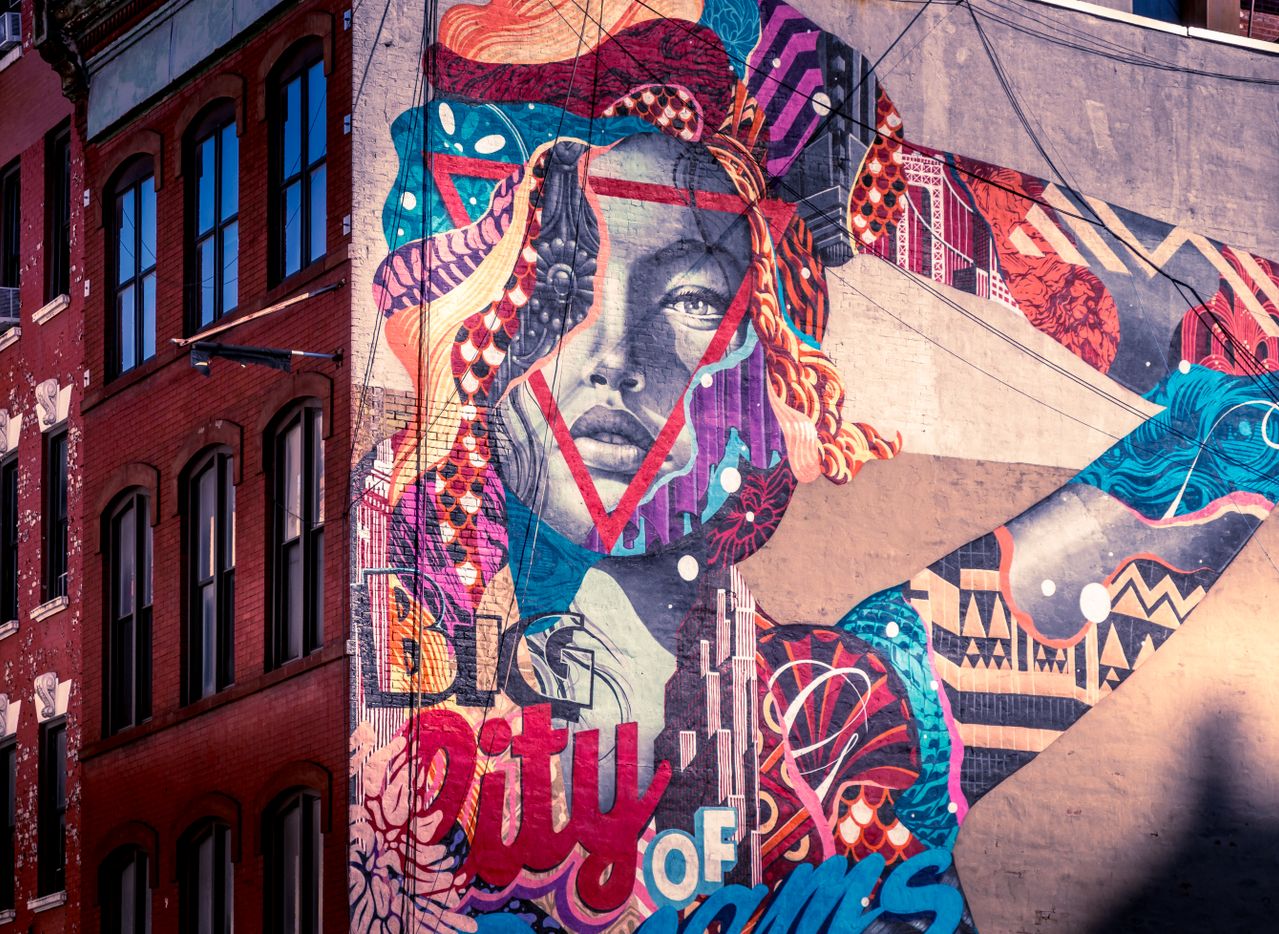
Street art has evolved from an underground form of expression into a powerful cultural movement that influences design, politics, fashion, and communities around the world. What once appeared mainly on city walls and public spaces is now displayed in galleries, museums, and digital platforms.
More than just visual decoration, street art reflects social issues, personal stories, and cultural identities. It gives artists a way to communicate directly with the public and transform ordinary spaces into meaningful experiences.
What Is Street Art?
Street art is a form of public artistic expression created in shared spaces, often outside traditional art institutions.
It includes:
- Murals
- Graffiti
- Stencils
- Posters
- Stickers
- Installations
- Digital street art
Unlike traditional artwork displayed in galleries, street art exists in everyday environments where anyone can experience it.
The Evolution of Street Art
Street art has a long history connected to human communication. Ancient civilizations created symbols and drawings on walls, but modern street art developed primarily in urban environments during the 20th century.
Early forms of modern street art were often associated with:
- Political messages
- Social movements
- Youth culture
- Personal identity
Over time, the movement expanded from simple graffiti into complex artworks that combine creativity, storytelling, and cultural commentary.
Table: Different Forms of Street Art
|
Type of Street Art |
Description |
Cultural Impact |
|
Murals |
Large-scale wall paintings |
Transform neighborhoods and public spaces |
|
Graffiti |
Letter-based or symbolic artwork |
Represents identity and self-expression |
|
Stencils |
Images created using templates |
Allows fast and repeatable messages |
|
Street Installations |
Three-dimensional public artworks |
Encourages interaction with spaces |
|
Posters and Stickers |
Small-scale visual messages |
Spreads ideas quickly through cities |
Street Art Gives Communities a Voice
One of the most important roles of street art is allowing people to express ideas publicly.
Artists often use urban spaces to discuss:
- Social inequality
- Environmental concerns
- Political issues
- Cultural identity
- Community experiences
Because street art appears in public areas, it can reach audiences who may never visit museums or galleries.
Transforming Urban Spaces
Street art has the ability to change how people experience cities.
Blank walls and neglected areas can become:
- Creative landmarks
- Tourist attractions
- Community gathering points
- Symbols of local identity
Many cities have embraced street art as a way to improve neighborhoods and celebrate creativity.
The Connection Between Street Art and Music
Street art and music have developed together, especially within urban youth cultures.
Both forms of expression often share:
- Independent creativity
- Social commentary
- Community identity
- Alternative perspectives
Hip-hop culture, in particular, helped popularize graffiti as one of its major elements alongside music, breakdancing, and DJing.
Street Art as a Form of Activism
Many artists use public art to encourage discussion and awareness.
Street art can highlight:
- Human rights issues
- Climate change
- Social justice movements
- Community struggles
Because it appears in public spaces, it can start conversations and encourage people to think differently about important topics.
The Rise of Street Art in Galleries and Museums
Although street art began outside traditional art systems, it has gained recognition worldwide.
Many street artists now:
- Exhibit their work in galleries
- Collaborate with brands
- Create commissioned murals
- Sell artwork internationally
This transition has created debates about authenticity, commercialization, and the relationship between public art and the traditional art world.
Digital Technology and the Future of Street Art
Technology is creating new possibilities for street artists.
Modern artists use:
- Digital design tools
- Augmented reality (AR)
- Projection mapping
- Social media platforms
Digital sharing allows street art to reach global audiences even after physical artworks disappear.
The Future of Street Art
Street art will likely continue evolving alongside society and technology.
Future trends may include:
- Interactive public artworks
- Environmentally focused murals
- Digital and virtual street art
- More collaborations between artists and communities
- Greater recognition of urban creativity
As cities continue changing, street art will remain a way for people to tell stories and express ideas.
Conclusion
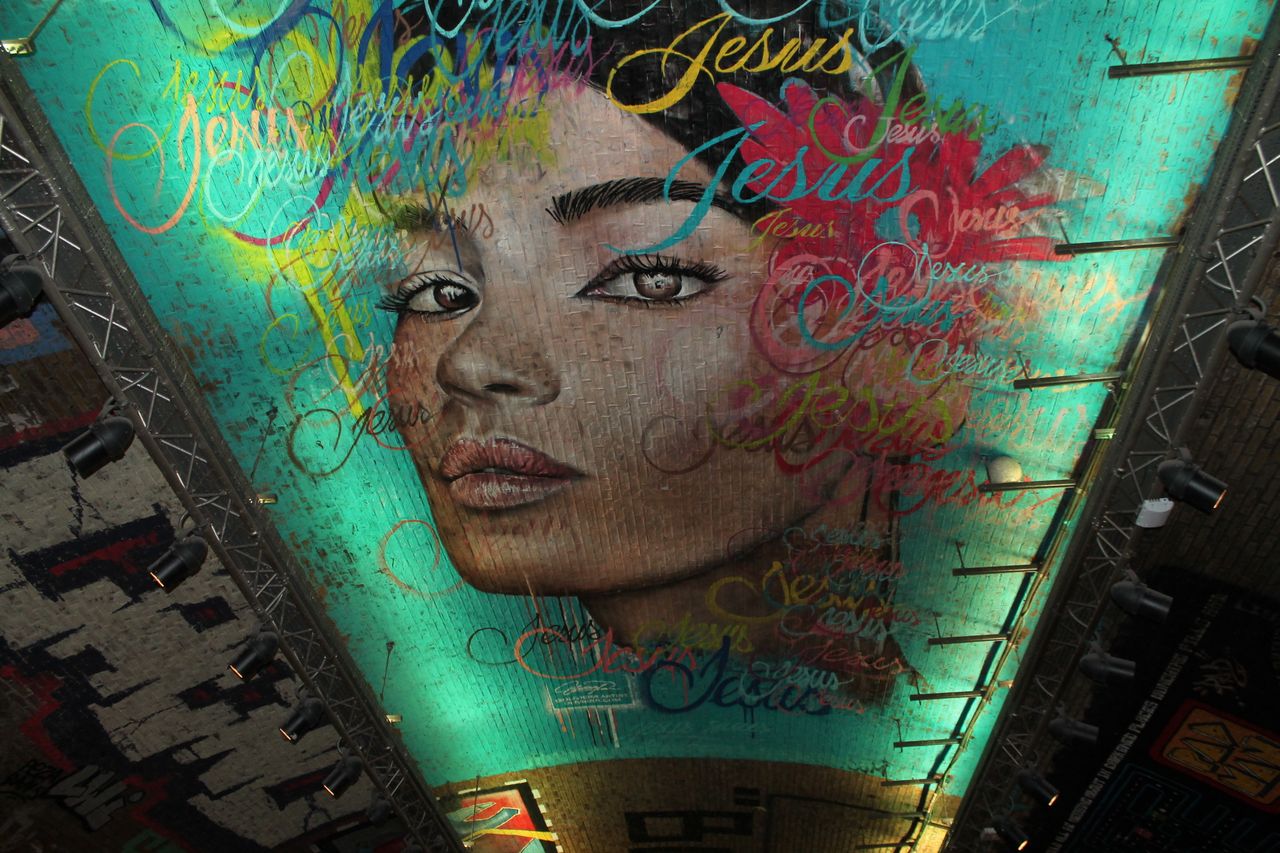
Street art has grown from a form of urban expression into a global cultural movement. It transforms public spaces, gives communities a voice, and influences everything from fashion and design to activism and entertainment.
The takeaway: street art is more than paint on walls—it is a reflection of society, a conversation between artists and communities, and a powerful tool for cultural expression.
Frequently Asked Questions
Technology has allowed artists to create digital works, use interactive tools, and share their creations with global audiences.


Was This Article Helpful?
Click on a star to rate it!
Thank you for your vote!

Average Rating: 0/5 Votes: 0
Be the first to rate this post!

Proficient background in project planning, execution, and continuous improvement. Experienced in analyzing ideas and forecasting project success, defining requirements and timelines, and managing communication across cross-functional teams. Skilled in creating and maintaining project documentation, automating processes, and making data-driven decisions in critical situations.
View LinkedIn ProfileLatest Posts
Conflict Resolution in Relationships

How to Develop a Growth Mindset

How Diet Affects Energy Levels