How Visual Art Reflects Social Change: The Power of Images in Society
Throughout history, visual art has been more than a form of beauty and creativity. It has been a powerful way for people to express ideas, challenge beliefs, and respond to important moments in society. From paintings and photography to murals and digital artwork, visual art often reflects the struggles, hopes, and transformations happening around us.
Artists have used images to start conversations, question unfair systems, and inspire people to imagine a different future. But how exactly does visual art influence social change?
The Connection Between Art and Society
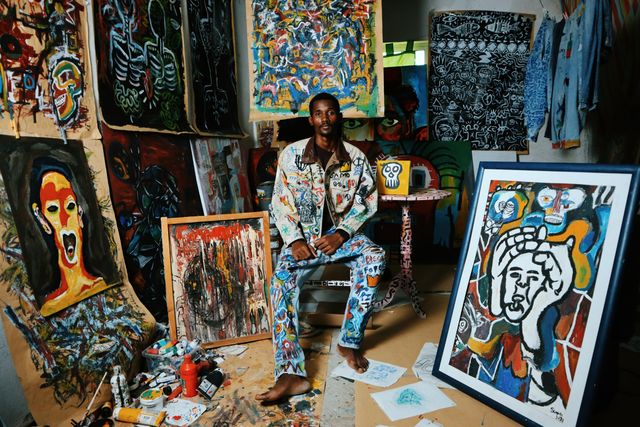
Art and society have always been closely connected. Artists often create work based on the world they live in, including political events, cultural movements, and social challenges.
Visual art can reflect:
- Social inequalities
- Human rights movements
- Cultural identity
- Environmental concerns
- Political changes
- Community experiences
Like a mirror, art shows society what it looks like at a specific moment in time. But unlike a simple reflection, art can also encourage people to think differently and create change.
Art as a Voice for Underrepresented Communities
Throughout history, many communities have used visual art to share stories that were ignored or overlooked.
Art gives people a way to:
- Preserve cultural traditions
- Share personal experiences
- Highlight injustice
- Celebrate identity
- Demand recognition
For groups without access to traditional platforms of influence, visual expression can become a powerful tool for visibility.
A single image can communicate emotions and experiences that words sometimes cannot fully explain.
Political Art and Activism
Visual art has often played an important role in activism. Artists create posters, murals, photographs, and digital designs to support movements and encourage public action.
Examples of activist art include:
- Protest posters
- Public murals
- Documentary photography
- Social media campaigns
- Political cartoons
|
Art Form |
How It Supports Social Change |
Example Impact |
|
Murals |
Transform public spaces into messages |
Raise community awareness |
|
Photography |
Documents real events and experiences |
Creates emotional connections |
|
Posters |
Spreads ideas quickly |
Supports movements |
|
Digital Art |
Reaches global audiences online |
Encourages discussion |
|
Street Art |
Brings messages to everyday spaces |
Challenges public perspectives |
Art becomes a communication tool that can reach people beyond traditional forms of media.
The Role of Photography in Social Awareness
Photography has a unique ability to capture real moments and preserve history. A powerful photograph can influence public opinion and bring attention to issues that might otherwise remain unseen.
Documentary photographers have used images to highlight:
- Poverty
- Conflict
- Migration
- Environmental problems
- Human struggles
Because photographs feel immediate and real, they can create strong emotional reactions and motivate people to learn more or take action.
Street Art as a Form of Expression
Street art has become one of the most recognizable forms of modern social commentary. Murals and graffiti often appear in public spaces where they can reach large audiences.
Street artists frequently address topics such as:
- Social justice
- Political issues
- Community identity
- Climate change
- Economic inequality
Public art transforms ordinary walls into spaces for conversation. A blank building surface can become a message shared with an entire neighborhood.
How Digital Art Is Changing Social Movements
The internet has changed how visual art is created and shared. Today, artists can reach millions of people through social media platforms.
Digital art helps social movements by:
- Spreading messages quickly
- Creating global communities
- Encouraging participation
- Making activism more accessible
A powerful illustration shared online can travel across countries within hours, allowing people to connect around common causes.
Art as a Record of Cultural Change
Visual art does not only influence social change—it also documents it.
Future generations often look at artworks, photographs, and designs to understand what life was like during different historical periods.
Art can preserve:
- Social movements
- Cultural shifts
- Important events
- Changing values
- Public emotions
In this way, artists become storytellers who capture the spirit of their time.
The Challenges of Socially Engaged Art
Creating art about social issues can also bring challenges. Artists may face criticism, censorship, or disagreement from audiences.
Some common challenges include:
- Balancing creativity and activism
- Avoiding oversimplification of complex issues
- Reaching audiences beyond existing supporters
- Protecting artistic freedom
Effective social art encourages discussion rather than simply presenting one perspective.
The Future of Art and Social Change
As society continues to evolve, visual artists will continue responding to new challenges and opportunities.
Future social art may focus on:
- Climate change awareness
- Digital rights
- Global inequality
- Cultural preservation
- New forms of online expression
Technology will continue expanding the ways artists can communicate and connect with communities.
Conclusion
Visual art has always been a powerful reflection of social change. It captures emotions, tells forgotten stories, challenges existing ideas, and inspires people to imagine a better future.
From historical paintings to modern digital creations, art gives society a way to see itself and question what needs to change. While a single artwork may not solve a social problem, it can start important conversations—and sometimes, those conversations become the beginning of transformation.
Frequently Asked Questions
Digital tools and social media allow artists to create, share, and distribute social messages to global audiences faster than ever before.


Was This Article Helpful?
Click on a star to rate it!
Thank you for your vote!

Average Rating: 0/5 Votes: 0
Be the first to rate this post!

Strong engineering background in mobile and backend development. Focusing on building scalable products, improving development processes — from architecture and APIs to UX redesigns, monetization, and analytics. Responsible for applications with 1M+ downloads and multi-project ecosystems.
View LinkedIn ProfileLatest Posts

How Individuals Can Support Animal Protection: Simple Actions That Create Change

The Role of Consumers in Sustainability: How Everyday Choices Can Create Change
Human Rights Challenges in Conflict Zones: Protecting People During Crisis