Art and Technology: How Digital Media is Shaping Contemporary Art
In the ever-evolving landscape of contemporary art, digital media has emerged as a powerful tool for creative expression, experimentation, and innovation. From digital painting and interactive installations to virtual reality experiences and algorithmic art, technology has opened up new frontiers for artists to explore and push the boundaries of artistic practice. In this exploration, we'll delve into the intersection of art and technology, examining how digital media is reshaping the way we create, experience, and interact with art in the modern age.
Art and Technology: How Digital Media is Shaping Contemporary Art
In the ever-evolving landscape of contemporary art, digital media has emerged as a powerful tool for creative expression, experimentation, and innovation. From digital painting and interactive installations to virtual reality experiences and algorithmic art, technology has opened up new frontiers for artists to explore and push the boundaries of artistic practice. In this exploration, we'll delve into the intersection of art and technology, examining how digital media is reshaping the way we create, experience, and interact with art in the modern age.
Digital Painting and Mixed Media
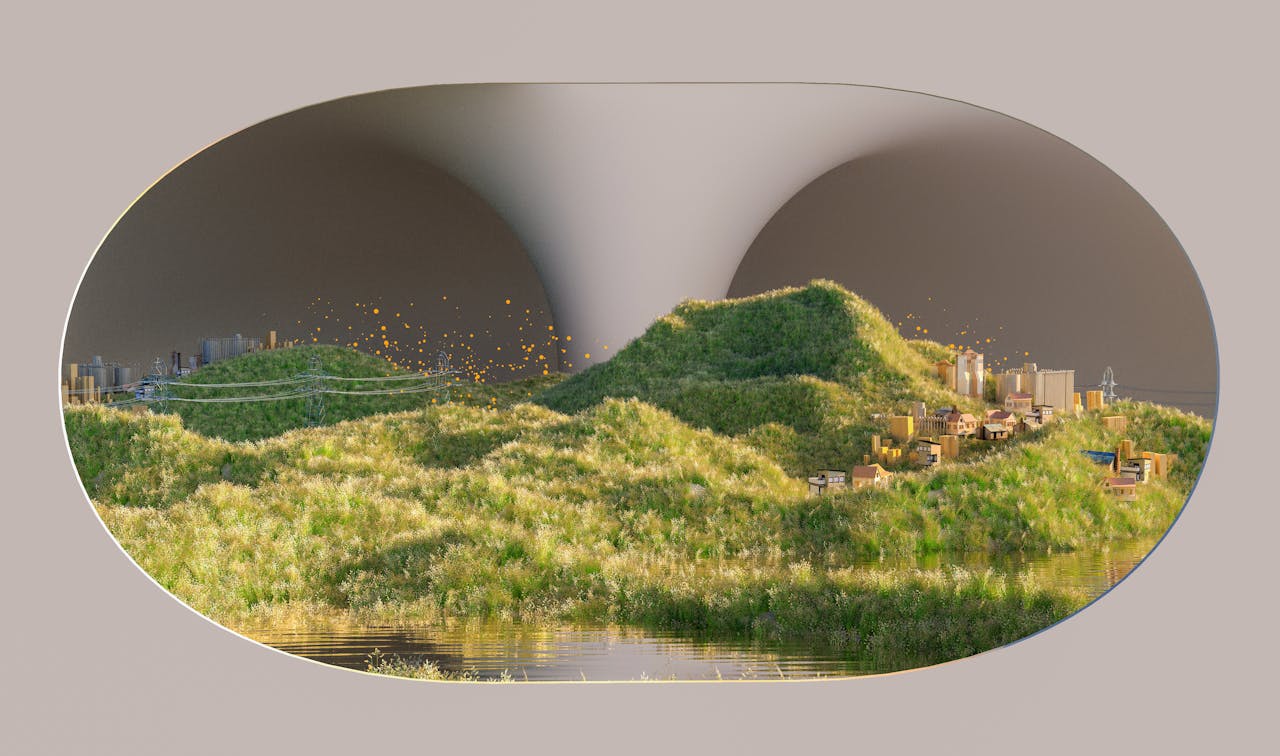
Digital painting has revolutionized the way artists create and manipulate visual imagery, offering a versatile and dynamic medium for artistic expression. Digital artists use tools such as graphics tablets, digital brushes, and software programs like Adobe Photoshop and Procreate to create stunning works of art with precision and fluidity. Mixed media artists combine traditional and digital techniques, blending elements such as photography, collage, and 3D modeling to create immersive and visually compelling artworks that defy categorization.
Digital Painting and Mixed Media
Digital painting has revolutionized the way artists create and manipulate visual imagery, offering a versatile and dynamic medium for artistic expression. Digital artists use tools such as graphics tablets, digital brushes, and software programs like Adobe Photoshop and Procreate to create stunning works of art with precision and fluidity. Mixed media artists combine traditional and digital techniques, blending elements such as photography, collage, and 3D modeling to create immersive and visually compelling artworks that defy categorization.
Interactive Installations and Immersive Experiences
Interactive installations blur the boundaries between art and audience, inviting viewers to actively engage with artworks in dynamic and immersive ways. Using technologies such as sensors, motion tracking, and projection mapping, artists create interactive environments that respond to the movements, gestures, and interactions of viewers. These interactive experiences transform passive spectators into active participants, fostering deeper engagement, emotional resonance, and a sense of connection with the artwork and the artist's intent.
Virtual Reality (VR) and Augmented Reality (AR)
Virtual reality (VR) and augmented reality (AR) have revolutionized the way we experience and interact with art, offering new dimensions of immersion and interactivity. VR enables users to step into virtual worlds and explore artworks in three-dimensional space, while AR overlays digital content onto the physical environment, seamlessly blending virtual and real-world elements. Artists use VR and AR to create immersive experiences, interactive narratives, and site-specific installations that push the boundaries of perception and challenge our understanding of reality.
Interactive Installations and Immersive Experiences
Interactive installations blur the boundaries between art and audience, inviting viewers to actively engage with artworks in dynamic and immersive ways. Using technologies such as sensors, motion tracking, and projection mapping, artists create interactive environments that respond to the movements, gestures, and interactions of viewers. These interactive experiences transform passive spectators into active participants, fostering deeper engagement, emotional resonance, and a sense of connection with the artwork and the artist's intent.
Virtual Reality (VR) and Augmented Reality (AR)
Virtual reality (VR) and augmented reality (AR) have revolutionized the way we experience and interact with art, offering new dimensions of immersion and interactivity. VR enables users to step into virtual worlds and explore artworks in three-dimensional space, while AR overlays digital content onto the physical environment, seamlessly blending virtual and real-world elements. Artists use VR and AR to create immersive experiences, interactive narratives, and site-specific installations that push the boundaries of perception and challenge our understanding of reality.
Algorithmic Art and Generative Design
Algorithmic art harnesses the power of algorithms and computational processes to generate visual art, soundscapes, and multimedia experiences. Artists use code, data, and mathematical algorithms to create dynamic and evolving artworks that are generated in real-time or in response to external inputs. Generative design explores the potential of algorithms to generate complex and organic forms, patterns, and structures, blurring the lines between art, science, and technology and opening up new possibilities for creativity and innovation.
Algorithmic Art and Generative Design
Algorithmic art harnesses the power of algorithms and computational processes to generate visual art, soundscapes, and multimedia experiences. Artists use code, data, and mathematical algorithms to create dynamic and evolving artworks that are generated in real-time or in response to external inputs. Generative design explores the potential of algorithms to generate complex and organic forms, patterns, and structures, blurring the lines between art, science, and technology and opening up new possibilities for creativity and innovation.
Digital Distribution and Online Platforms
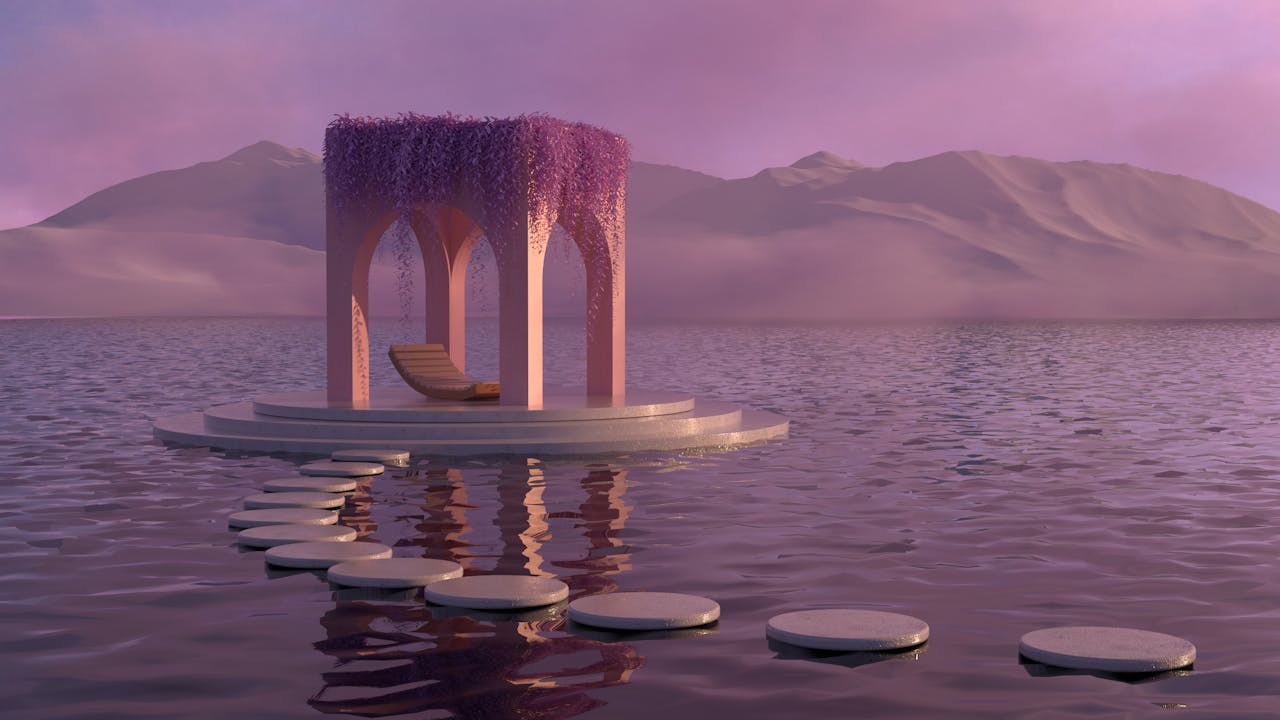
The advent of digital distribution and online platforms has democratized access to art, enabling artists to reach global audiences and share their work with the world at the click of a button. Online galleries, social media platforms, and digital marketplaces provide artists with new avenues for exposure, promotion, and collaboration, while digital currencies and blockchain technology offer new models for ownership, authentication, and monetization of digital artworks.
In the dynamic intersection of art and technology, digital media is reshaping the landscape of contemporary art, opening up new possibilities for creative expression, experimentation, and collaboration. From digital painting and interactive installations to virtual reality experiences and algorithmic art, technology offers artists unprecedented tools and platforms to explore, innovate, and push the boundaries of artistic practice. As we continue to embrace the digital age, the fusion of art and technology promises to inspire, challenge, and transform the way we create, experience, and interact with art in the modern world.
Digital Distribution and Online Platforms
The advent of digital distribution and online platforms has democratized access to art, enabling artists to reach global audiences and share their work with the world at the click of a button. Online galleries, social media platforms, and digital marketplaces provide artists with new avenues for exposure, promotion, and collaboration, while digital currencies and blockchain technology offer new models for ownership, authentication, and monetization of digital artworks.
In the dynamic intersection of art and technology, digital media is reshaping the landscape of contemporary art, opening up new possibilities for creative expression, experimentation, and collaboration. From digital painting and interactive installations to virtual reality experiences and algorithmic art, technology offers artists unprecedented tools and platforms to explore, innovate, and push the boundaries of artistic practice. As we continue to embrace the digital age, the fusion of art and technology promises to inspire, challenge, and transform the way we create, experience, and interact with art in the modern world.


Was This Article Helpful?
Click on a star to rate it!
Thank you for your vote!

Average Rating: 4.2/5 Votes: 47
Be the first to rate this post!

Latest Posts
Conflict Resolution in Relationships
How to Develop a Growth Mindset

How Diet Affects Energy Levels