Gaming Communities and Online Culture: How Players Are Shaping Digital Worlds
Video games are no longer just a form of entertainment. They have become spaces where millions of people connect, communicate, compete, and create together. From small groups of friends playing online to massive global communities built around popular games, gaming culture has become one of the most influential parts of modern digital life.
Gaming communities and online culture have changed the way people interact, form friendships, and express themselves. But how did gaming evolve from a solo activity into a worldwide social experience?
The Rise of Gaming Communities
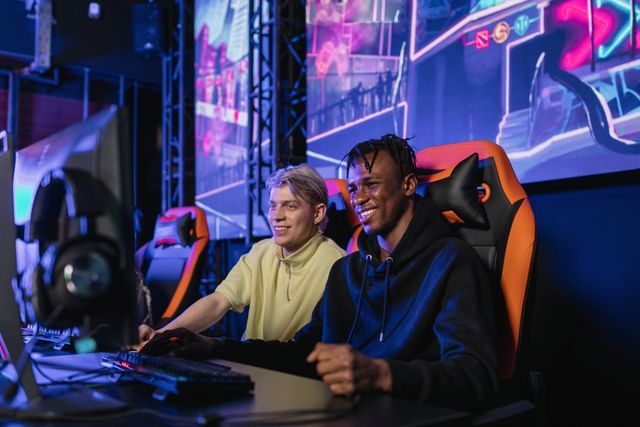
In the early days of gaming, many players experienced games individually or with friends in the same room. The growth of the internet completely changed this experience by allowing people from different countries to play together.
Online gaming communities now exist around:
- Multiplayer games
- Competitive esports
- Fan forums
- Streaming platforms
- Social media groups
- Game development communities
These communities create spaces where players can share strategies, discuss updates, and build relationships based on common interests.
Gaming became less about simply finishing a game and more about being part of a larger world.
How Online Games Create Social Connections
Many modern games are designed around interaction and teamwork. Players communicate, cooperate, and solve challenges together.
Online games encourage:
- Team collaboration
- Communication skills
- Problem-solving
- Leadership
- Long-distance friendships
For many people, gaming communities provide a place to meet others who share similar interests and experiences.
A digital world can sometimes become a real social space where meaningful connections develop.
The Role of Streaming and Content Creators
Streaming platforms have transformed gaming culture by turning players into entertainers and community leaders.
Content creators influence gaming communities through:
- Live gameplay
- Tutorials
- Reviews
- Challenges
- Discussions
|
Community Element |
Role in Online Culture |
Example Impact |
|
Multiplayer Games |
Connect players worldwide |
Builds teamwork and friendships |
|
Streaming Platforms |
Creates entertainment communities |
Makes gamers into influencers |
|
Forums and Groups |
Encourages discussions |
Shares knowledge and ideas |
|
Esports Events |
Creates competitive communities |
Brings fans together |
|
User-Generated Content |
Expands creativity |
Allows players to shape games |
Popular creators often become important voices within gaming communities, influencing trends and introducing players to new experiences.
The Growth of Gaming Identity and Self-Expression
Gaming allows people to express themselves in unique ways. Players create usernames, avatars, characters, and digital spaces that represent their personalities.
Online gaming identity can include:
- Custom characters
- Personal achievements
- Favorite games
- Community roles
- Creative projects
For many players, gaming communities provide a place where they feel comfortable being themselves.
User-Generated Content and Creative Communities
Modern games often allow players to create their own content. This has expanded gaming from a passive experience into an interactive creative platform.
Players create:
- Custom maps
- Mods
- Characters
- Stories
- Game improvements
User-generated content keeps games active for years and allows communities to become part of the development process.
In many cases, players are not just consumers—they are contributors.
The Influence of Esports Culture
Competitive gaming has become a major part of online culture. Esports communities bring together players and fans who follow professional competitions, teams, and tournaments.
Esports has created:
- Professional gaming careers
- Fan communities
- Online discussions
- International events
- New forms of entertainment
Competitive gaming has helped change the perception of video games by showing the skill, strategy, and dedication involved.
Positive Effects of Gaming Communities
Healthy gaming communities can provide many benefits.
They can help people:
- Build friendships
- Learn teamwork
- Develop creativity
- Improve communication skills
- Find supportive groups
For some players, online communities become important social spaces where they exchange ideas and build confidence.
Challenges in Online Gaming Culture
Despite many positive aspects, gaming communities also face challenges.
Common issues include:
- Toxic behavior
- Harassment
- Cyberbullying
- Excessive gaming habits
- Online conflicts
Creating welcoming communities requires cooperation from players, developers, and platforms.
Many gaming companies now introduce moderation tools, reporting systems, and community guidelines to encourage safer environments.
The Future of Gaming Communities
Gaming culture will continue evolving as technology advances. New tools such as virtual reality, artificial intelligence, and social gaming platforms may create even more immersive communities.
Future trends may include:
- Virtual social spaces
- More interactive gaming experiences
- AI-powered community tools
- Cross-platform communities
- Greater connection between gaming and real-world events
As games become more connected, communities will likely become an even bigger part of the gaming experience.
Conclusion
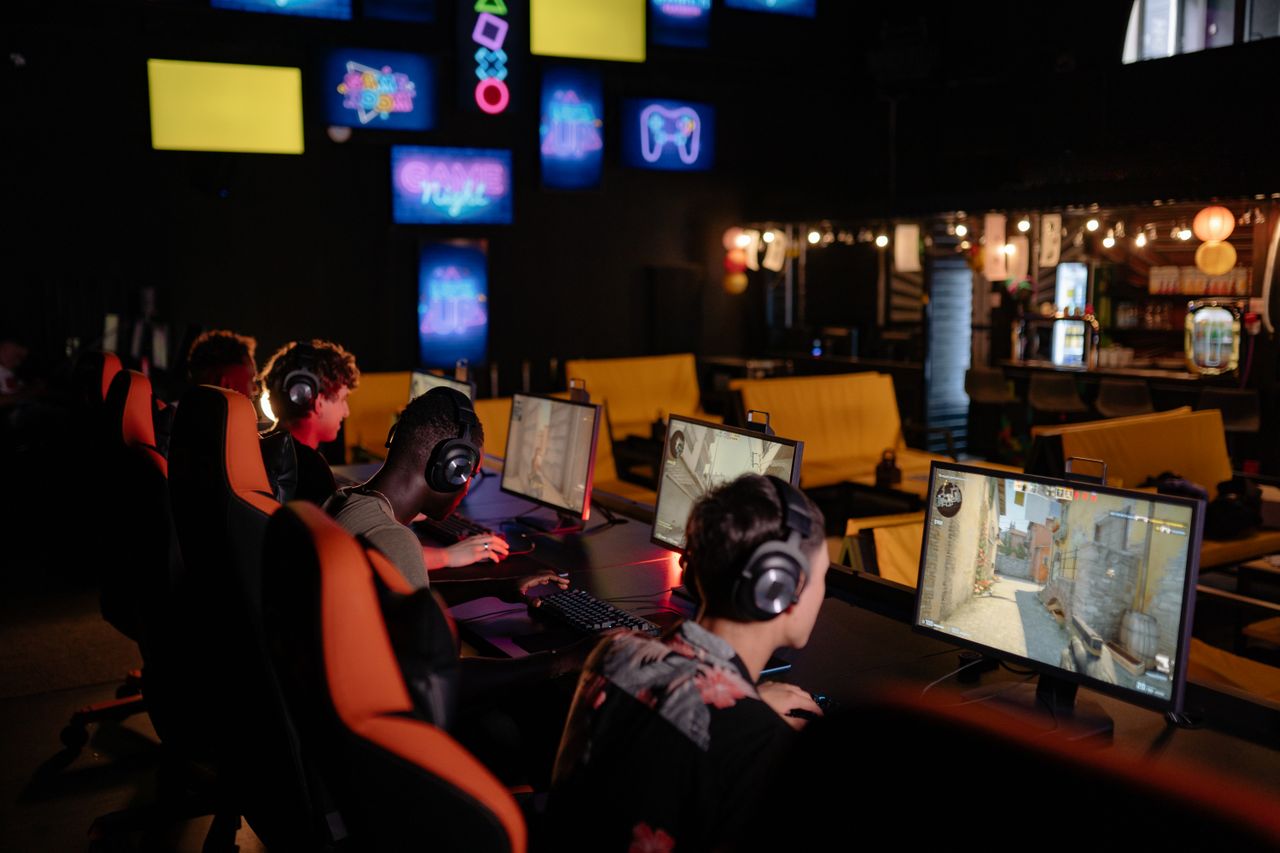
Gaming communities and online culture have transformed video games into powerful social platforms. Players today do more than complete missions or compete for high scores—they create friendships, share creativity, and build digital communities.
While challenges such as toxicity and online safety remain, the positive impact of gaming communities continues to grow. As technology develops, gaming will remain a major space for connection, creativity, and cultural expression.
Frequently Asked Questions
Common challenges include toxic behavior, harassment, online safety concerns, and maintaining healthy gaming habits.


Was This Article Helpful?
Click on a star to rate it!
Thank you for your vote!

Average Rating: 0/5 Votes: 0
Be the first to rate this post!

Proficient background in project planning, execution, and continuous improvement. Experienced in analyzing ideas and forecasting project success, defining requirements and timelines, and managing communication across cross-functional teams. Skilled in creating and maintaining project documentation, automating processes, and making data-driven decisions in critical situations.
View LinkedIn ProfileLatest Posts

How Individuals Can Support Animal Protection: Simple Actions That Create Change

The Role of Consumers in Sustainability: How Everyday Choices Can Create Change
Human Rights Challenges in Conflict Zones: Protecting People During Crisis