Travel Photography Secrets from Professionals: How to Capture Stunning Memories
Travel photography is more than simply taking pictures of beautiful places. A great travel photo tells a story, captures a feeling, and allows others to experience a moment through your eyes.
Professional travel photographers know that amazing images are not created only by expensive cameras or exotic destinations. They come from understanding light, composition, timing, and the emotions behind each scene.
Whether you are photographing a famous landmark or a quiet street in a small town, a few professional techniques can help you create more powerful travel memories.
Plan Your Shots Before You Travel
Professional photographers rarely rely only on luck. Preparation helps them find unique perspectives and capture important moments.
Before visiting a destination, research:
- Popular locations
- Local culture and traditions
- Best times for photography
- Weather conditions
- Hidden places away from crowds
Planning does not mean creating a strict schedule for every photo. Instead, it helps you understand the environment and discover better opportunities.
A great travel photo often comes from knowing where to be and when to be there.
Master the Power of Natural Light
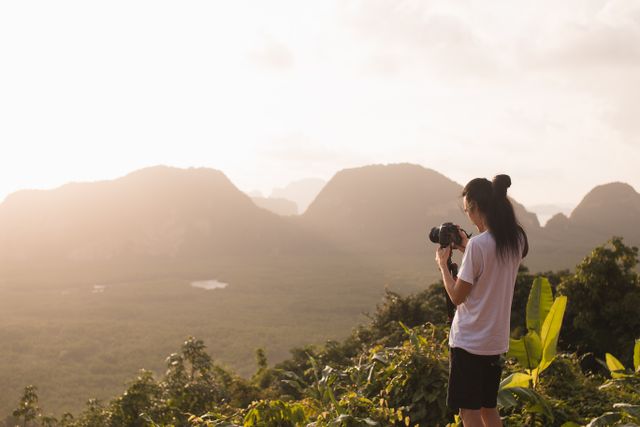
Light is one of the most important elements in photography. Professional photographers often say that the same location can look completely different depending on the time of day.
The best lighting conditions are usually:
- Golden hour: The soft light shortly after sunrise or before sunset
- Blue hour: The period after sunset when the sky has a deep blue tone
- Overcast days: Soft light that reduces harsh shadows
|
Photography Technique |
How Professionals Use It |
Result |
|
Golden Hour Shooting |
Photograph during early morning or evening |
Warm and dramatic images |
|
Leading Lines |
Use roads, bridges, or architecture to guide the eye |
Stronger composition |
|
Rule of Thirds |
Place subjects strategically in the frame |
More balanced photos |
|
Layering |
Combine foreground, middle, and background elements |
Creates depth |
|
Patience |
Wait for the right moment |
More authentic images |
Good lighting can transform an ordinary scene into something unforgettable.
Tell a Story Through Your Photos
A professional travel photo is not only about showing where you are. It should communicate what the place feels like.
Instead of only photographing famous attractions, look for:
- Local people
- Traditional activities
- Small details
- Street scenes
- Everyday moments
A photo of a market vendor preparing food or a child playing in a village may tell a stronger story than a simple picture of a building.
Ask yourself: What makes this place special beyond what everyone already knows?
Focus on Composition
Composition is how elements are arranged inside your image. It helps guide the viewer’s attention and creates a more interesting photograph.
Professional photographers often use techniques such as:
Leading Lines
Roads, rivers, fences, and buildings can naturally direct the viewer’s eyes toward the main subject.
Rule of Thirds
Instead of placing the subject directly in the center, imagine your frame divided into nine sections and position important elements along these lines.
Creating Depth
Including objects in the foreground can make an image feel more three-dimensional and immersive.
Strong composition turns a simple photo into a visual story.
Capture Authentic Moments
Some of the best travel photographs are unplanned. Professional photographers often wait patiently for genuine moments instead of forcing a scene.
To capture authentic experiences:
- Observe before taking photos
- Respect local people
- Avoid interrupting important moments
- Be ready with your camera
A natural expression or spontaneous interaction often creates a more memorable image than a posed picture.
Use the Right Equipment
Professional photographers may use advanced cameras, but equipment alone does not create great photos.
Useful travel photography gear includes:
- A reliable camera or smartphone
- Extra batteries
- Memory cards
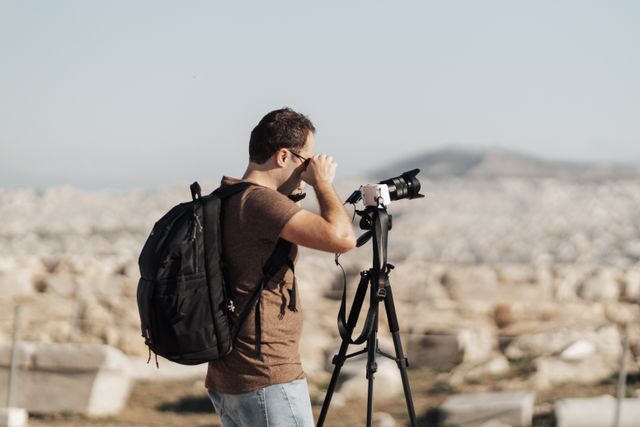
- A lightweight tripod
- A versatile lens
- A protective camera bag
The best equipment is the one you understand and can use comfortably while traveling.
Edit Photos Without Losing Reality
Editing is part of modern photography, but professionals aim to enhance images rather than completely change them.
Good editing can improve:
- Brightness
- Colors
- Contrast
- Details
- Image balance
However, maintaining authenticity is important. A travel photo should still represent the real atmosphere of the place.
Wake Up Early and Explore More
One common secret among professional photographers is simple: arrive early.
Early mornings offer:
- Fewer tourists
- Softer light
- Quieter streets
- More authentic scenes
Many famous locations look completely different before crowds arrive. Sometimes the best photos come from moments when most people are still asleep.
Practice Observation Skills
Great travel photographers are constantly observing. They notice small details that others might miss.
Look for:
- Interesting shadows
- Unique colors
- Human expressions
- Architectural details
- Patterns and textures
Photography is not only about seeing a destination—it is about noticing it.
Conclusion
Professional travel photography is about much more than owning a good camera. It requires curiosity, patience, creativity, and the ability to tell stories through images.
By planning your shots, understanding light, improving composition, capturing authentic moments, and practicing observation, you can create travel photos that feel meaningful and memorable.
The best travel photographs do not just show where you went—they remind you how that place made you feel.
Frequently Asked Questions
Editing can improve a photo’s quality, but it should enhance the original image rather than create an unrealistic version of the destination.


Was This Article Helpful?
Click on a star to rate it!
Thank you for your vote!

Average Rating: 0/5 Votes: 0
Be the first to rate this post!

Proficient background in project planning, execution, and continuous improvement. Experienced in analyzing ideas and forecasting project success, defining requirements and timelines, and managing communication across cross-functional teams. Skilled in creating and maintaining project documentation, automating processes, and making data-driven decisions in critical situations.
View LinkedIn ProfileLatest Posts
How Individuals Can Support Animal Protection: Simple Actions That Create Change

The Role of Consumers in Sustainability: How Everyday Choices Can Create Change
Human Rights Challenges in Conflict Zones: Protecting People During Crisis