The Role of Social Media in Music Discovery
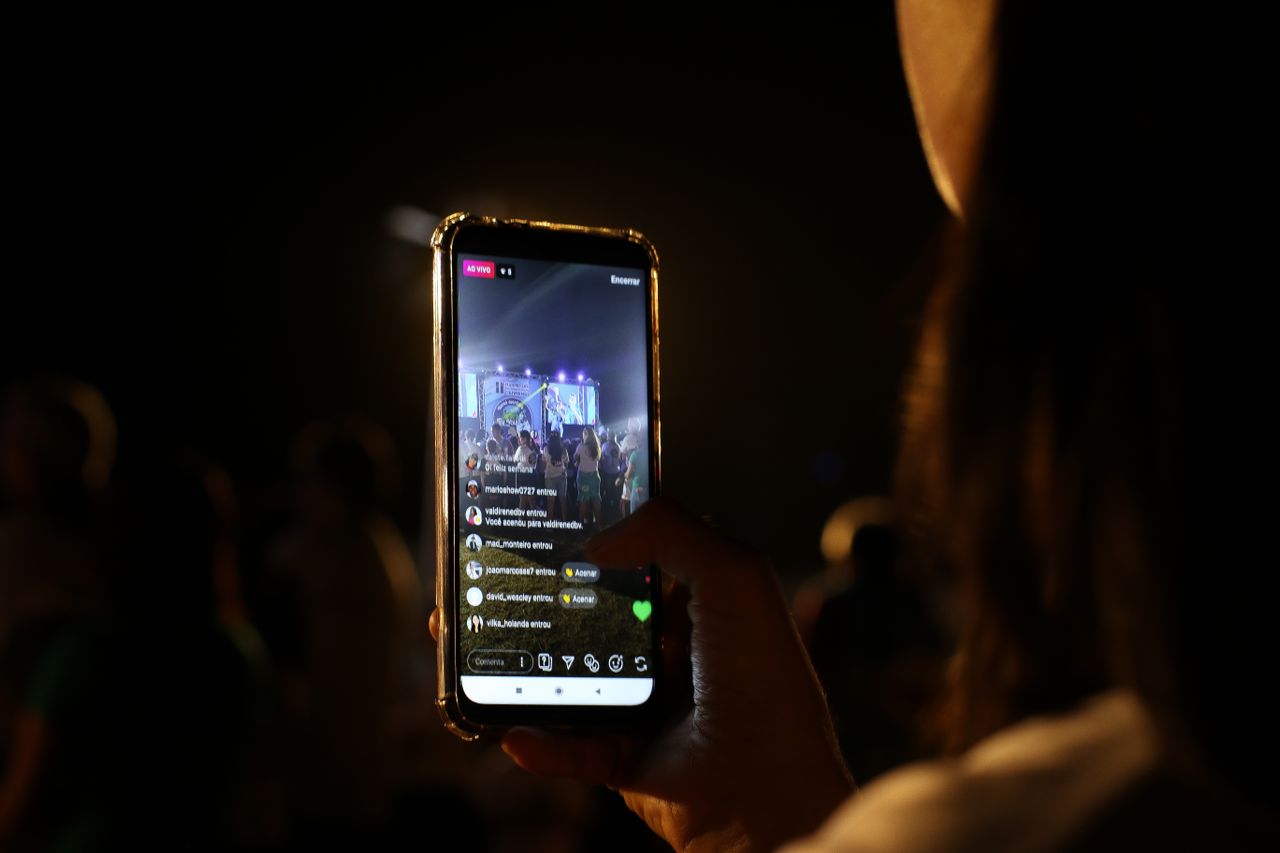
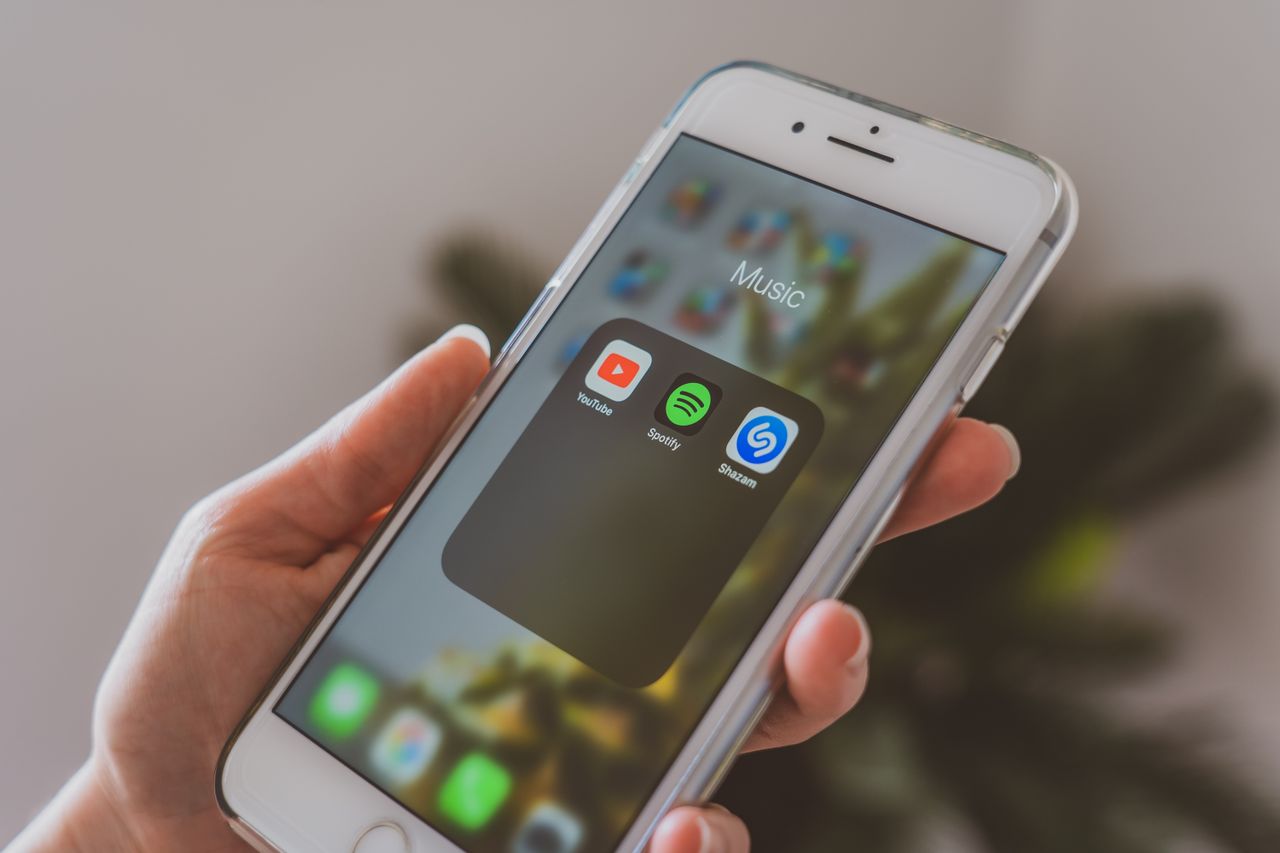
The way people discover music has changed dramatically in the digital age. In the past, listeners often found new artists through radio stations, television channels, magazines, or recommendations from friends. Today, social media platforms have become some of the most powerful tools for discovering new songs, artists, and musical trends.
Platforms built around short videos, communities, and personalized recommendations allow musicians to reach global audiences without relying only on traditional music industry channels. A single viral post can transform an unknown artist into an international sensation.
What Makes AI a Powerful Innovation Tool?
Traditional innovation often requires significant time, resources, and experimentation. AI speeds up this process by helping organizations:
- Analyze information quickly
- Identify hidden patterns
- Predict future trends
- Automate repetitive tasks
- Generate new concepts
- Improve decision-making
By reducing the time needed for research and development, AI allows innovators to focus more on creativity and strategic thinking.
How Social Media Changed Music Discovery
Social media has shifted music discovery from a top-down system into a community-driven experience.
Previously, record labels, radio stations, and music executives had significant influence over which songs reached large audiences. Today, listeners themselves help determine what becomes popular by:
- Sharing songs
- Creating videos
- Making playlists
- Posting recommendations
- Participating in online trends
This gives independent artists new opportunities to compete with established musicians.
Why Social Media Is Powerful for Music Discovery
Social platforms combine several elements that make music spread quickly:
- Instant global reach
- User-generated content
- Algorithm-based recommendations
- Direct artist-fan connections
- Community engagement
A song no longer needs traditional promotion alone to become successful. Audience reactions can drive popularity organically.
Table: How Social Media Supports Music Growth
|
Social Media Feature |
Impact on Music Discovery |
|
Short-form videos |
Helps songs become viral through trends and challenges |
|
Algorithms |
Recommends music based on user interests |
|
Artist profiles |
Allows direct connection with fans |
|
User-generated content |
Encourages people to share and remix songs |
|
Online communities |
Builds loyal fan groups |
|
Live streaming |
Creates real-time interaction between artists and listeners |
Viral Trends Can Launch New Artists
One of the biggest changes in modern music discovery is the power of viral content.
A song can gain attention when users create:
- Dance challenges
- Memes
- Creative videos
- Personal stories
- Fan edits
When thousands or millions of people use the same track, it can quickly increase streams and introduce the artist to new audiences.
For emerging musicians, social media provides exposure that previously required expensive marketing campaigns.
Algorithms Personalize Music Recommendations
Social media platforms use algorithms to analyze user behavior and suggest content that matches individual interests.
Recommendations are based on factors such as:
- Videos users watch
- Songs they interact with
- Artists they follow
- Content they share
This creates personalized discovery experiences where listeners can find music that matches their tastes.
Independent Artists Can Build Careers Online
Social media has reduced barriers for independent musicians.
Artists can now:
- Promote songs themselves
- Build fan communities
- Share behind-the-scenes content
- Announce releases
- Communicate directly with listeners
This allows musicians to develop loyal audiences before working with major labels.
Fans Have Become Active Promoters
Modern music fans are no longer just listeners—they are participants in an artist’s growth.
Fans help promote music by:
- Sharing tracks
- Creating content
- Discussing artists online
- Joining fan communities
- Recommending songs to others
This creates a powerful cycle where audience engagement drives further discovery.
Social Media Influences Music Trends
Social platforms often determine which sounds, genres, and styles become popular.
Trends can influence:
- Song structures
- Music production styles
- Artist branding
- Release strategies
For example, shorter attention spans and video-based platforms have encouraged artists to create memorable hooks that capture listeners quickly.
Artists Can Connect Directly With Audiences
Before social media, communication between musicians and fans was limited.
Today, artists can:
- Share creative processes
- Respond to comments
- Host live sessions
- Receive immediate feedback
- Build personal relationships
This direct connection helps strengthen fan loyalty and creates a more personal music experience.
Social Media Helps Promote Emerging Genres
Online communities allow niche music styles to find audiences worldwide.
Genres that may have struggled to gain mainstream attention can grow through:
- Dedicated fan groups
- Online discussions
- Independent creators
- Global collaborations
Social media has made music discovery more diverse by giving more artists a chance to be heard.
The Future of Music Discovery
Social media will continue shaping how people find and interact with music.
Future trends may include:
- More AI-powered recommendations
- Virtual concerts and digital experiences
- Interactive fan communities
- New ways for artists to monetize content
- Greater influence from independent creators
The relationship between artists and audiences will likely become even more connected and collaborative.
Conclusion
Social media has transformed music discovery by giving artists new ways to reach audiences and allowing fans to influence what becomes popular. Platforms built around sharing, creativity, and community have created opportunities for musicians that were impossible in the traditional music industry.
The takeaway: music discovery is no longer controlled only by labels and media companies. Today, artists, algorithms, and audiences work together to decide which songs and voices reach the world.
Frequently Asked Questions
Yes. As digital platforms evolve, social media will remain an important tool for music promotion, discovery, and artist growth.


Was This Article Helpful?
Click on a star to rate it!
Thank you for your vote!

Average Rating: 0/5 Votes: 0
Be the first to rate this post!

Tech entrepreneur & digital strategist with over 9 years of experience in backend development and more than 5 years in executive leadership. Education Software and Web developer. More than 20 years of experience in software and web development.
View LinkedIn ProfileLatest Posts
Conflict Resolution in Relationships
How to Develop a Growth Mindset

How Diet Affects Energy Levels