How Technology Is Changing Music Production: The Digital Revolution in Sound
Music production has gone through a massive transformation over the past few decades. What once required expensive studios, large equipment, and professional engineers can now be done on a laptop from a bedroom. Technology hasn’t just changed how music is made—it has completely reshaped the entire creative process.
Today, artists can record, edit, mix, and distribute music faster than ever before. Let’s explore how technology is revolutionizing music production.
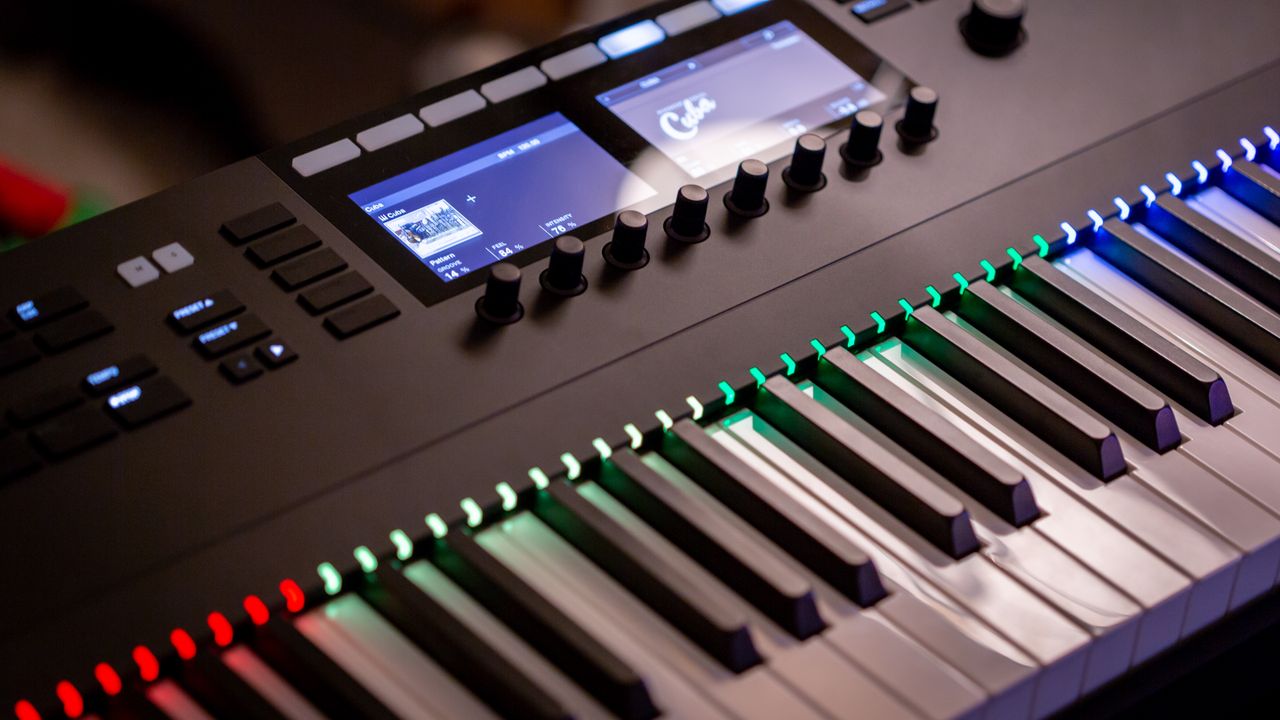
From Analog Studios to Digital Workstations
In the past, music production depended heavily on analog equipment like tape machines and mixing consoles. The process was:
- Expensive
- Time-consuming
- Limited to professional studios
Now, Digital Audio Workstations (DAWs) like software-based studios have replaced much of that setup.
Modern producers can:
- Record multiple tracks instantly
- Edit audio with precision
- Experiment without wasting physical materials
- Work entirely on a computer
Think of it as moving from painting on a giant canvas in a studio to creating art on a digital tablet anywhere you want.
Table: Analog vs Digital Music Production
|
Feature |
Analog Production |
Digital Production |
|
Equipment |
Expensive studio gear |
Software-based tools |
|
Editing |
Manual and slow |
Fast and precise |
|
Accessibility |
Limited |
Global access |
|
Cost |
High |
Low to moderate |
|
Flexibility |
Restricted |
Highly flexible |
The Rise of Digital Audio Workstations (DAWs)
DAWs are at the heart of modern music production.
Popular tools like Ableton Live, FL Studio, and Logic Pro allow artists to:
- Record and layer sounds
- Apply effects and filters
- Arrange entire songs visually
- Mix and master tracks professionally
These tools have democratized music creation, giving anyone with a laptop the power to produce music.
AI in Music Production
Artificial intelligence is becoming a powerful creative partner.
AI helps musicians:
- Generate melodies and beats
- Suggest chord progressions
- Auto-tune vocals
- Separate audio tracks
- Master songs automatically
While some worry about AI replacing creativity, most artists use it as a tool to enhance their ideas rather than replace them.
Cloud Collaboration and Remote Production
Technology has made collaboration easier than ever.
Now artists can:
- Work with producers worldwide in real time
- Share project files instantly through the cloud
- Edit the same track from different locations
- Collaborate without being in the same studio
Music production is no longer tied to geography—it’s global and instant.
Table: Key Technological Changes in Music Production
|
Innovation |
Impact |
|
DAWs |
Made production accessible to everyone |
|
AI tools |
Enhanced creativity and automation |
|
Cloud platforms |
Enabled remote collaboration |
|
Plugins & virtual instruments |
Expanded sound possibilities |
|
Streaming integration |
Faster music distribution |
Virtual Instruments and Sound Libraries
Musicians no longer need physical instruments to create complex sounds.
With virtual instruments, they can access:
- Orchestras
- Synthesizers
- Drum kits
- Experimental sound effects
These tools allow producers to create entire songs without traditional studio setups.
Home Studios Becoming the New Norm
Thanks to affordable technology, home studios are now common.
A basic setup might include:
- A laptop
- Audio interface
- Microphone
- Headphones
- Production software
This shift has empowered independent artists to produce professional-quality music without record label support.
Streaming Platforms and Production Style
Streaming services like Spotify and Apple Music have also influenced production trends.
Producers now focus on:
- Shorter intro times
- Catchy hooks early in songs
- Higher loudness optimization
- Algorithm-friendly structures
Music is increasingly designed for digital consumption habits.
Social Media and Music Discovery
Platforms like YouTube, TikTok, and Instagram are changing how music spreads.
They help:
- Songs go viral quickly
- Artists gain exposure without labels
- Short clips influence full track success
- Audience-driven trends shape production choices
A single viral clip can launch an artist’s entire career.
The Role of Plugins and Effects
Modern production relies heavily on software plugins that simulate real-world equipment.
These include:
- Reverb and delay effects
- Vocal tuning tools
- Mixing and mastering plugins
- Sound distortion and layering tools
They give producers endless creative possibilities without physical hardware limitations.
Challenges in the Digital Music Era
Despite its advantages, technology brings challenges:
- Too much music being released daily
- Difficulty standing out in crowded markets
- Concerns about AI-generated content
- Over-reliance on presets and automation
Artists must balance technology with originality.
The Future of Music Production
The future promises even more innovation.
We may see:
- Fully AI-generated background music
- Real-time global collaborative studios
- Immersive 3D audio experiences
- Brain-computer music interfaces
- Fully virtual concerts and production environments
Music production will become even more interactive and immersive.
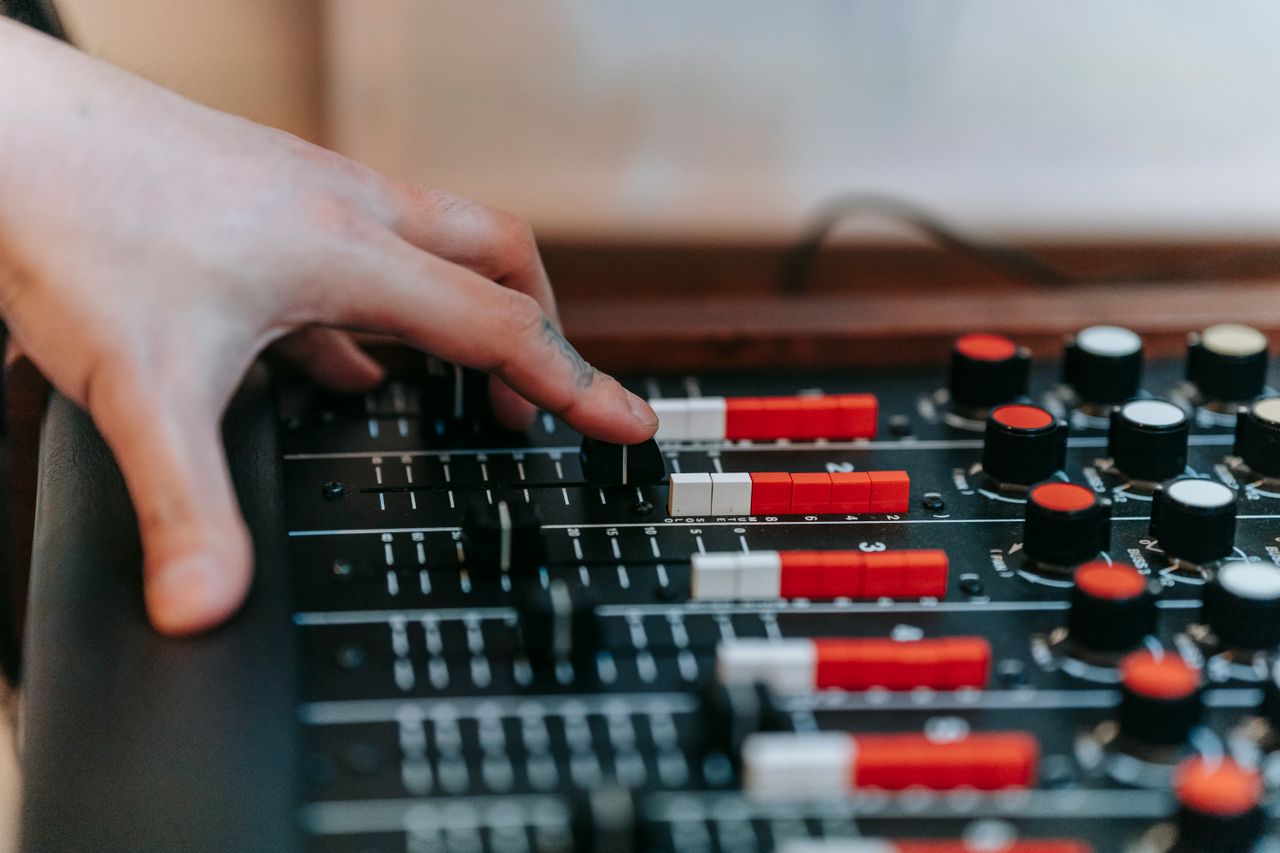
Conclusion
Technology has completely transformed music production, making it more accessible, flexible, and innovative than ever before. From digital audio workstations and AI tools to cloud collaboration and virtual instruments, artists now have limitless creative possibilities.
While challenges exist, one thing is clear: technology is not replacing music creators—it is empowering them to create in ways that were once unimaginable.
FAQ: How Technology Is Changing Music Production
No, it is supporting and enhancing creativity rather than replacing human artists.


Was This Article Helpful?
Click on a star to rate it!
Thank you for your vote!

Average Rating: 0/5 Votes: 0
Be the first to rate this post!

Latest Posts

Travel Photography Tips for Stunning Memories

The Rise of Cross-Platform Gaming

Esports Arenas and the Future of Competitive Gaming