Article Plan
Representation Matters: Diversity Trends in Modern Movies
Hollywood and global cinema are changing. For decades, movies often reflected a narrow slice of society, leaving many voices unheard. Today, diversity and representation are not just buzzwords—they’re reshaping storytelling, casting, and production. From on-screen characters to behind-the-scenes creatives, modern movies are finally reflecting the world more authentically.
Let’s explore the latest trends in diversity and why they matter.
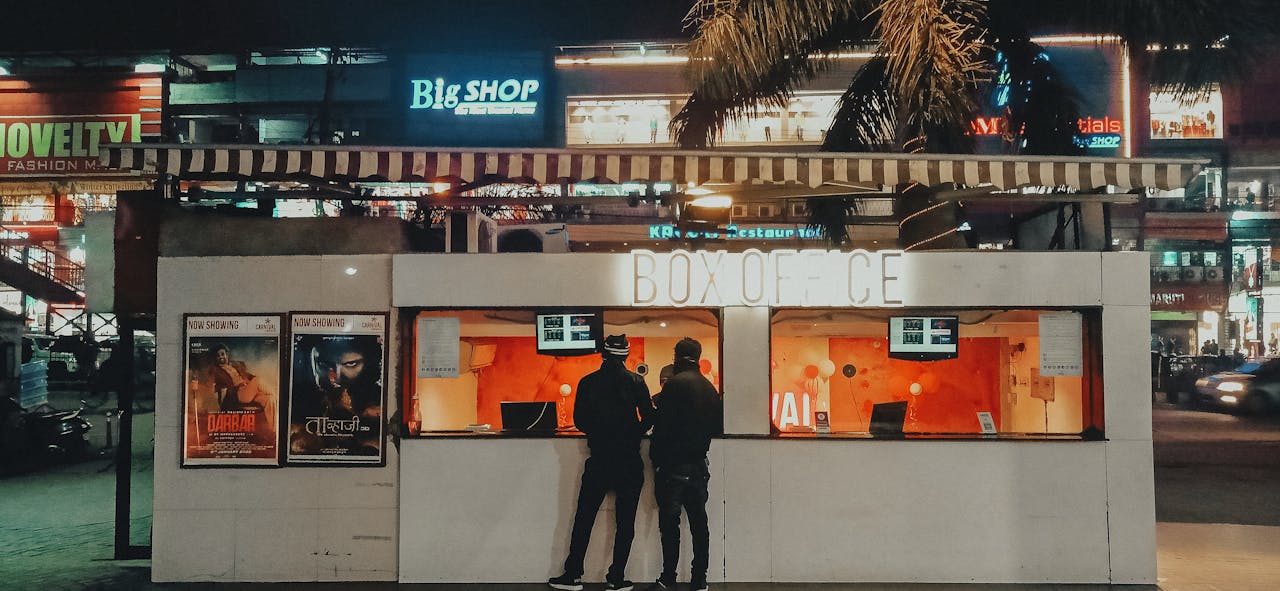
On-Screen Representation: More Than Just Numbers
Modern audiences demand authentic characters:
- Ethnic and Cultural Diversity – Stories now feature protagonists from varied backgrounds, not just token side characters.
- Gender Representation – More female leads, complex female villains, and equitable roles behind the camera.
- LGBTQ+ Inclusion – Characters with diverse sexual orientations and gender identities are increasingly visible.
- Disability Representation – Movies are including differently-abled characters in meaningful roles rather than stereotypes.
Diverse casting not only broadens storytelling but also resonates with global audiences.
Behind the Camera: Inclusive Storytelling
Representation isn’t just on-screen. Diversity behind the camera drives authentic narratives:
- Directors and Writers – Women, people of color, and LGBTQ+ creators bring unique perspectives.
- Production Teams – Inclusive crews influence how stories are told, from costume design to cinematography.
- Executive Leadership – Decision-makers committed to inclusion can greenlight diverse projects.
Inclusive storytelling ensures that characters are more than caricatures—they’re real people.
Box Office and Audience Impact
Diversity isn’t just morally important—it makes financial sense:
- Global Appeal – Movies featuring diverse casts often perform better internationally.
- Audience Connection – Viewers engage more when they see themselves represented.
- Critical Acclaim – Diverse films frequently earn awards and media attention, increasing visibility.
Data shows films with inclusive casts are not only socially impactful but commercially successful.
Table: Diversity Trends in Modern Movies
|
Area of Representation
|
Recent Examples / Trends
|
Impact
|
| Ethnic & Cultural Diversity | Black Panther, Crazy Rich Asians | Broader audience appeal |
|
Gender Representation
|
Wonder Woman, Captain Marvel | More strong female leads |
|
LGBTQ+ Inclusion
|
Love, Simon, Euphoria
|
Visibility & normalization
|
| Disability Representation | CODA, Atypical | Authentic storytelling, awareness |
| Behind-the-Scenes Diversity | Ava DuVernay, Taika Waititi | Richer narratives and authentic perspectives |
Challenges Still Ahead
Despite progress, gaps remain:
- Tokenism – Some films include diverse characters superficially without depth.
- Intersectionality – Multiple dimensions of identity (race, gender, sexuality, ability) are still underrepresented.
- Industry Bias – Funding, awards, and high-profile opportunities are often skewed toward traditional narratives.
Recognizing these challenges helps studios and creators continue moving toward genuine inclusivity.
Why Representation Matters
- Cultural Reflection – Movies mirror society; diverse films validate different life experiences.
- Empathy Building – Audiences develop understanding for perspectives outside their own.
- Inspiration – Seeing someone like you in media encourages ambition and self-confidence.
- Long-Term Industry Growth – Diverse talent and stories fuel creativity and global competitiveness.
Conclusion
Representation in modern movies is more than a trend—it’s a necessity. Audiences crave authenticity, and studios are responding by including diverse characters, storytellers, and production teams. While challenges remain, the progress is promising, proving that inclusive cinema is not only socially responsible but commercially successful.
Movies today are finally starting to reflect the rich, multifaceted world we live in—and that’s a blockbuster for everyone.
Frequently Asked Questions about Diversity Trends in Modern Movies
It allows audiences to see themselves represented and fosters empathy for different experiences.
Yes, films like Black Panther and Crazy Rich Asians show that inclusivity can boost box office performance.
Absolutely—writers, directors, and crew influence authentic storytelling and nuanced characters.
Tokenism, lack of intersectionality, and industry bias remain significant hurdles.
By watching, sharing, and promoting films that tell inclusive stories and by advocating for industry change.


Was This Article Helpful?
Click on a star to rate it!
Thank you for your vote!

Average Rating: 4.22/5 Votes: 19
Be the first to rate this post!

Proficient background in project planning, execution, and continuous improvement. Experienced in analyzing ideas and forecasting project success, defining requirements and timelines, and managing communication across cross-functional teams. Skilled in creating and maintaining project documentation, automating processes, and making data-driven decisions in critical situations.
View LinkedIn ProfileLatest Posts

Conflict Resolution in Relationships
How to Develop a Growth Mindset

How Diet Affects Energy Levels