How Visual Effects Are Transforming Modern Cinema
Movies have always been a way to bring imagination to life. From distant planets and mythical creatures to impossible action scenes, filmmakers have searched for ways to show audiences things that do not exist in the real world. Today, visual effects (VFX) are at the center of this creative revolution, allowing filmmakers to create breathtaking worlds and unforgettable cinematic experiences.
Modern visual effects have changed not only how movies look but also how stories are created. With advanced technology, filmmakers can now turn ideas that once seemed impossible into realistic scenes on the big screen.

What Are Visual Effects?
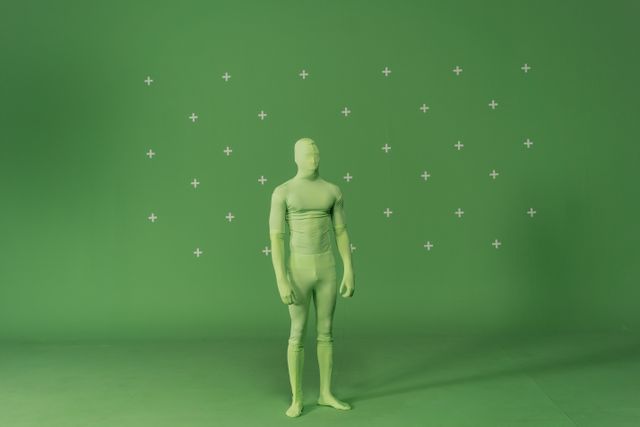
Visual effects are digital techniques used to create, enhance, or modify images in movies and television. They combine computer-generated elements with live-action footage to produce scenes that would be difficult, expensive, or impossible to capture traditionally.
VFX can include:
- Computer-generated characters
- Digital environments
- Realistic explosions and weather effects
- Creature design
- Background replacements
- Motion capture animation
Think of visual effects as a digital paintbrush. Instead of only changing colors or adding details, filmmakers can now reshape entire worlds.
The Evolution of Visual Effects in Cinema
Early cinema relied mostly on practical effects, such as miniatures, makeup, and physical sets. While these techniques are still valuable, digital technology has expanded creative possibilities.
The development of computer-generated imagery (CGI) transformed filmmaking by allowing artists to create detailed digital objects and environments.
Today, filmmakers can:
- Build entire fictional worlds
- Create realistic digital characters
- Simulate natural disasters
- Recreate historical locations
- Enhance real footage
The line between reality and imagination has become increasingly difficult to see.
How VFX Improves Storytelling
Visual effects are not just about making movies look impressive. Their greatest value is helping filmmakers tell stories more effectively.
VFX allows creators to:
- Show impossible events
- Create emotional connections with digital characters
- Explore new visual styles
- Expand creative possibilities
- Support complex narratives
A powerful visual effect should serve the story, not distract from it. The best effects are often the ones viewers notice only because they feel completely real.
The Role of CGI in Modern Movies
Computer-generated imagery has become one of the most important tools in modern cinema.
CGI is used for:
- Fantasy worlds
- Science fiction environments
- Digital creatures
- Superhero abilities
- Large-scale action sequences
|
Visual Effect Type |
How It Is Used |
Impact on Cinema |
|
CGI Characters |
Creates digital creatures and characters |
Expands storytelling possibilities |
|
Digital Environments |
Builds fictional or historical locations |
Reduces physical limitations |
|
Motion Capture |
Records actor movements for digital characters |
Creates realistic performances |
|
Simulation Effects |
Produces fire, water, weather, and destruction |
Makes action scenes more believable |
|
Virtual Production |
Combines real-time backgrounds with actors |
Changes how films are created |
Virtual Production and Real-Time Filmmaking
One of the biggest recent changes in cinema is the rise of virtual production. This technique combines physical sets, digital environments, and real-time computer graphics.
Instead of filming actors in front of a traditional green screen, filmmakers can place them inside realistic digital locations while shooting.
Benefits include:
- More realistic lighting
- Better actor interaction with environments
- Faster creative decisions
- Reduced need for location travel
Virtual production gives directors more control while creating visually complex scenes.
Artificial Intelligence and the Future of VFX
Artificial intelligence is beginning to influence visual effects production. AI tools can help artists complete certain tasks faster and explore new creative possibilities.
Potential uses include:
- Improving image quality
- Automating repetitive tasks
- Creating digital environments
- Enhancing animation workflows
- Supporting visual design
However, human creativity remains essential. Technology can provide tools, but storytelling decisions still come from filmmakers and artists.
How VFX Has Changed Audience Expectations
Modern audiences have become accustomed to highly detailed and visually impressive films. Viewers now expect realistic digital worlds, seamless effects, and cinematic experiences that were once impossible.
This has pushed studios to invest in better technology and more skilled visual effects teams.
At the same time, audiences increasingly value storytelling over spectacle. A movie with impressive effects still needs strong characters and an engaging plot to succeed.
Challenges of Modern Visual Effects
Although VFX offers incredible opportunities, it also presents challenges.
Common concerns include:
- High production costs
- Long development timelines
- Increasing audience expectations
- Heavy workloads for artists
- Balancing technology with creativity
Creating realistic visual effects requires collaboration between directors, designers, animators, and technical specialists.
The Future of Visual Effects in Cinema
The future of VFX will likely bring even more realistic and interactive movie experiences.
Future innovations may include:
- Advanced AI-assisted filmmaking
- More immersive virtual environments
- Real-time visual effects creation
- Improved digital characters
- Interactive storytelling experiences
As technology continues to evolve, filmmakers will have even more ways to transform imagination into reality.
Conclusion
Visual effects have completely transformed modern cinema by expanding what filmmakers can create and what audiences can experience. From digital characters and imaginary worlds to realistic environments and complex action scenes, VFX has become an essential part of storytelling.
The future of cinema will continue to combine human creativity with technological innovation. While tools may change, the goal remains the same: creating powerful stories that inspire, entertain, and transport audiences to new worlds.
Frequently Asked Questions
Yes. As technology improves, digital effects will likely become even more advanced, but storytelling and creative vision will continue to be the foundation of cinema.


Was This Article Helpful?
Click on a star to rate it!
Thank you for your vote!

Average Rating: 0/5 Votes: 0
Be the first to rate this post!

Expert in backend development and database architecture. Specializes in building, optimizing, and maintaining scalable PHP applications, designing efficient database structures, and ensuring data integrity and performance. Experienced in working with relational databases, writing optimized queries, and integrating backend systems with APIs and business logic to support reliable, high-performance web solutions.
View LinkedIn ProfileLatest Posts

How Individuals Can Support Animal Protection: Simple Actions That Create Change

The Role of Consumers in Sustainability: How Everyday Choices Can Create Change

Human Rights Challenges in Conflict Zones: Protecting People During Crisis