Article Plan
- The Connection Between Streaming and Esports
- Making Esports Accessible Worldwide
- Building Strong Gaming Communities
- Helping Players Build Personal Brands
- Increasing Revenue Opportunities
- The Growth of Esports Content Creators
- Improving Fan Engagement
- The Role of Technology in Better Viewing Experiences
- Challenges of Streaming-Based Esports Growth
- The Future of Streaming and Esports
- Conclusion
- Frequently Asked Questions
The Role of Streaming Platforms in Esports Growth: How Digital Media Built a Global Industry
Esports has transformed from a niche hobby into a global entertainment industry with millions of fans, professional players, and major international tournaments. While competitive gaming existed long before online streaming became popular, streaming platforms played a major role in turning esports into a worldwide phenomenon.
By making matches, tournaments, and gaming content accessible to anyone with an internet connection, streaming platforms have changed how people watch, interact with, and participate in esports.
But how exactly have these platforms helped esports grow so quickly?
The Connection Between Streaming and Esports
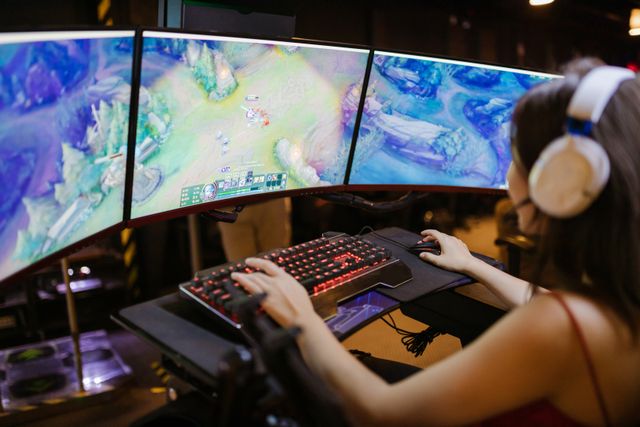
Traditional sports rely on television networks and physical venues to reach audiences. Esports, however, developed alongside the internet, allowing fans to watch competitions online from anywhere in the world.
Streaming platforms provide:
- Live tournament broadcasts
- Player streams
- Community discussions
- Gaming tutorials
- Behind-the-scenes content
Instead of waiting for scheduled broadcasts, fans can instantly connect with their favorite games and players.
Streaming became the digital stadium where esports communities gather.
Making Esports Accessible Worldwide
One of the biggest advantages of streaming platforms is global accessibility. A fan in one country can watch a tournament happening thousands of kilometers away in real time.
This has helped esports grow because:
- Fans do not need expensive tickets
- Matches are available across different regions
- Multiple languages can be supported
- New audiences can discover competitive gaming
|
Streaming Feature |
Impact on Esports |
Example Benefit |
|
Live Broadcasting |
Expands audience reach |
Fans watch tournaments worldwide |
|
Chat Interaction |
Builds communities |
Viewers engage during matches |
|
Video Archives |
Increases content availability |
Fans replay important moments |
|
Creator Streams |
Develops personal connections |
Players build loyal audiences |
|
Sponsorship Opportunities |
Attracts investment |
Supports professional leagues |
Building Strong Gaming Communities
Streaming platforms do more than show competitions—they create communities.
Fans can interact through:
- Live chats
- Comments
- Fan groups
- Social media discussions
- Community events
This interaction creates a stronger connection between players and viewers. A professional gamer is no longer just someone competing on a stage; they can also become a creator, entertainer, and community leader.
Helping Players Build Personal Brands
Streaming has changed the career path for esports players. Professional gamers can now develop audiences outside official tournaments.
Players use streaming to:
- Share gameplay strategies
- Communicate with fans
- Showcase their personalities
- Build personal brands
- Create additional income streams
This visibility helps players become recognizable personalities rather than just competitors.
Increasing Revenue Opportunities
Streaming platforms have opened new financial opportunities for the esports industry.
Revenue sources include:
- Advertising
- Sponsorships
- Subscriptions
- Donations
- Brand partnerships
- Exclusive content deals
As viewership grows, companies become more interested in investing in esports because streaming provides measurable audience engagement.
The Growth of Esports Content Creators
Streaming has created a new category of gaming influencers. Many content creators started by sharing gameplay and eventually built large communities.
These creators contribute to esports growth by:
- Introducing games to new audiences
- Explaining competitive strategies
- Promoting tournaments
- Creating entertainment around gaming
Sometimes a popular streamer can bring more attention to a game than traditional marketing campaigns.
Improving Fan Engagement
Unlike traditional sports broadcasts, streaming allows fans to participate actively.
Viewers can:
- React instantly
- Discuss strategies
- Support players directly
- Join online communities
This two-way interaction makes esports feel more personal and engaging.
Watching a match becomes a shared experience rather than a passive activity.
The Role of Technology in Better Viewing Experiences
Streaming technology continues to improve how audiences experience esports.
Modern platforms offer:
- High-quality video streaming
- Multiple camera angles
- Real-time statistics
- Interactive features
- Mobile viewing options
These features help esports broadcasts become more professional and closer to traditional sports productions.
Challenges of Streaming-Based Esports Growth
Although streaming has helped esports expand, it also creates challenges.
Some issues include:
- Dependence on online platforms
- Competition for viewer attention
- Copyright and broadcasting rights
- Internet accessibility differences
- Difficulty maintaining long-term audiences
Esports organizations must continue adapting to changing technology and viewer habits.
The Future of Streaming and Esports
The relationship between streaming platforms and esports will likely continue growing. Future developments may include:
- More interactive broadcasts
- Virtual reality viewing experiences
- AI-powered content recommendations
- Personalized match experiences
- New digital fan communities
As streaming technology evolves, esports will continue becoming more accessible and engaging for audiences worldwide.
Conclusion
Streaming platforms have played a crucial role in the growth of esports by making competitive gaming available to global audiences. They have helped build communities, create new career opportunities, increase revenue, and transform players into recognizable personalities.
Esports is no longer limited to gaming competitions—it has become a digital entertainment ecosystem powered by technology and connected communities. As streaming continues to evolve, it will remain one of the strongest forces shaping the future of competitive gaming.
Frequently Asked Questions
Future esports streaming may include more interactive features, personalized experiences, and advanced technologies such as virtual reality and artificial intelligence.


Was This Article Helpful?
Click on a star to rate it!
Thank you for your vote!

Average Rating: 0/5 Votes: 0
Be the first to rate this post!

Expert in backend development and database architecture. Specializes in building, optimizing, and maintaining scalable PHP applications, designing efficient database structures, and ensuring data integrity and performance. Experienced in working with relational databases, writing optimized queries, and integrating backend systems with APIs and business logic to support reliable, high-performance web solutions.
View LinkedIn ProfileLatest Posts

How Individuals Can Support Animal Protection: Simple Actions That Create Change

The Role of Consumers in Sustainability: How Everyday Choices Can Create Change

Human Rights Challenges in Conflict Zones: Protecting People During Crisis